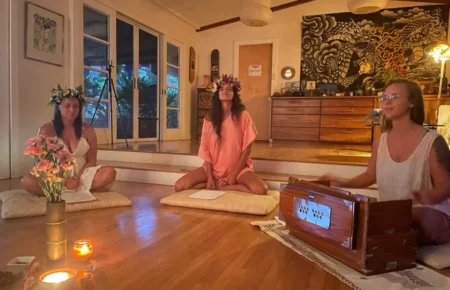
Preparing for a Shamanic Journey: Mind, Body & Spirit

Affiliate Disclosure
We partner with retreat centers and booking platforms. When you book through our links, we may earn a commission at no extra cost to you. This supports our work and allows us to keep providing honest, in-depth reviews. Read our editorial policy
Table Of Content
- Affiliate Disclosure
- Introduction
- Why Preparation Matters
- Timeline: When to Start Preparing for a Shamanic Journey
- Mental Preparation: Clearing the Mind
- Physical Preparation: Cleansing the Body
- Emotional Preparation: Opening the Heart
- Spiritual Preparation: Aligning with Spirit
- Practical Preparation: Handling Logistics
- The Final Days: Intensive Preparation
- Preparation for Specific Types of Shamanic Work
- Common Preparation Mistakes
- Preparing for Integration (Before You Go)
- FAQ: Preparing for a Shamanic Journey
- Final Thoughts
Introduction
The weeks before a shamanic retreat are not just waiting time. They’re an essential part of the journey itself.
Preparing for a shamanic journey properly can mean the difference between a profound, life-changing experience and one that feels confusing, overwhelming, or incomplete. The preparation you do—mentally, physically, and spiritually—creates the foundation for everything that follows.
Think of it this way: you’re preparing a vessel. The cleaner, clearer, and more receptive that vessel is, the more the medicine, the spirits, and the healing can flow through. Arrive cluttered, distracted, and depleted, and you’ll spend precious ceremony time just getting to baseline. Arrive prepared, and you can go deep from the start.
This guide walks you through comprehensive preparation for any shamanic retreat—whether you’re attending a drum journey weekend, a vision quest, or an ayahuasca ceremony. We’ll cover mental and emotional preparation, physical cleansing and care, spiritual practices to open the way, and practical logistics. By the time you arrive, you’ll be truly ready.
Preparing for a shamanic journey is itself a sacred act. Let’s begin.
Why Preparation Matters
Understanding the purpose of preparation deepens your commitment to it.
What Preparation Accomplishes
| Dimension | What Preparation Does |
|---|---|
| Physical | Clears toxins, increases sensitivity, builds energy reserves |
| Mental | Quiets noise, clarifies intention, creates focus |
| Emotional | Processes surface material, creates stability, opens heart |
| Spiritual | Signals readiness, invites guidance, aligns with purpose |
| Practical | Removes distractions, handles logistics, creates peace of mind |
The Container Metaphor
Imagine pouring sacred water into a vessel. If the vessel is:
- Dirty — the water becomes contaminated
- Cracked — the water leaks out
- Already full — there’s no room for more
- Clean, whole, and empty — the water fills it completely
Your preparation cleans, repairs, and empties your vessel so it can receive fully.
Research Support
According to Johns Hopkins Center for Psychedelic Research, preparation significantly impacts outcomes in ceremonial and therapeutic contexts. Participants who engage in thorough preparation report:
- More meaningful experiences
- Better integration of insights
- Fewer difficult experiences
- Longer-lasting positive changes
This applies to all shamanic work, not just plant medicine.
Timeline: When to Start Preparing for a Shamanic Journey
Structure your preparation with this timeline.
Overview
| Timeframe | Focus |
|---|---|
| 4+ weeks before | Lifestyle adjustments, intention work begins |
| 2-4 weeks before | Dietary changes, deeper mental/emotional work |
| 1 week before | Intensive preparation, final logistics |
| Day before | Rest, light eating, final intention setting |
| Day of | Minimal eating, quiet mind, open heart |
Factors That Affect Timeline
Longer preparation needed if:
- Attending plant medicine ceremony (especially ayahuasca)
- Significant dietary changes required
- Currently on medications that need tapering
- High stress or busy lifestyle
- First shamanic experience
- Working with significant trauma
Shorter preparation may work if:
- Attending gentle drum journey or meditation retreat
- Already living clean lifestyle
- Experienced with shamanic work
- No medications or dietary restrictions
- Generally stable and grounded
Mental Preparation: Clearing the Mind
Mental preparation creates the clarity needed when preparing for a shamanic journey.
Reduce Mental Noise
In the weeks before:
| Reduce | Why | How |
|---|---|---|
| News consumption | Creates anxiety, fills mind with others’ drama | Set specific limits, news-free days |
| Social media | Comparison, distraction, shallow engagement | Delete apps, set time limits |
| Entertainment overload | Fills mental space, prevents reflection | Choose consciously, reduce quantity |
| Busy schedule | Leaves no room for inner work | Clear calendar, say no to non-essentials |
| Multitasking | Fragments attention | Single-task, slow down |
Cultivate Mental Clarity
Daily practices:
- Morning silence (10-30 minutes)
- Before phone, news, or conversation
- Just sit with yourself
- Notice what arises
- Journaling (15-20 minutes)
- Stream of consciousness writing
- Process thoughts and feelings
- Track dreams and insights
- Meditation (10-30 minutes)
- Simple breath awareness
- Don’t try to achieve anything
- Just practice being present
- Nature time (daily if possible)
- Walk without phone
- Observe, listen, feel
- Let nature quiet your mind
Work with Intention
Intention is the compass for your journey.
How to clarify intention:
- Ask yourself:
- What am I seeking?
- What do I want to heal?
- What do I want to understand?
- What am I ready to release?
- What am I ready to receive?
- Write multiple drafts:
- Start broad, refine over time
- Let it evolve as you prepare
- Notice what keeps emerging
- Keep it open:
- Intention is direction, not demand
- “I’m open to healing” vs. “I must heal my relationship with my father”
- Hold it lightly
Example intentions:
- “I’m ready to understand what’s blocking me”
- “I seek healing for my grief”
- “I want to reconnect with my purpose”
- “I’m open to whatever I most need”
- “I ask for guidance on my path forward”
Address Fears and Concerns
Common fears before shamanic work:
| Fear | How to Work With It |
|---|---|
| Fear of losing control | Practice surrender in small ways; control is illusion anyway |
| Fear of what might come up | Trust that you’ll only receive what you can handle |
| Fear of difficult experience | Difficulty often carries the deepest healing |
| Fear of not having an experience | Release expectations; trust the process |
| Fear of change | Acknowledge that you’re here because you want change |
Practices for fear:
- Journal about your fears honestly
- Talk to facilitators about concerns
- Read accounts from others who’ve been through it
- Remember: fear before transformation is normal
- Distinguish between healthy caution and resistance

Physical Preparation: Cleansing the Body
Physical preparation purifies your vessel when preparing for a shamanic journey.
General Dietary Guidelines
4+ weeks before:
| Increase | Decrease |
|---|---|
| Fresh vegetables and fruits | Processed foods |
| Whole grains | Refined sugars |
| Clean proteins | Red meat (especially pork) |
| Water and herbal teas | Alcohol |
| Home-cooked meals | Fast food and takeout |
2 weeks before:
| Increase | Decrease/Eliminate |
|---|---|
| Simple, light foods | Alcohol (eliminate) |
| Vegetables, rice, fish | Recreational drugs |
| Fruits and nuts | Caffeine (reduce) |
| Water | Heavy, rich foods |
| Herbal teas | Fried foods |
1 week before:
| Eat | Avoid |
|---|---|
| Steamed vegetables | Alcohol (strict) |
| Rice, quinoa | Caffeine |
| Light fish, chicken | Sugar |
| Fresh fruits | Dairy (for some) |
| Soups and broths | Spicy foods |
| Water, herbal tea | Fermented foods |
Special Dietary Requirements for Ayahuasca
If attending ayahuasca ceremony, the dieta is essential for safety:
| Strictly Avoid (2+ weeks) | Reason |
|---|---|
| Alcohol | Liver stress, energetic interference |
| Recreational drugs | Interactions, unclear energy |
| Tyramine-rich foods (aged cheese, fermented foods, cured meats) | MAO interaction |
| Pork | Traditional restriction, heavy energy |
| Red meat | Traditional restriction |
| Sexual activity | Energy conservation |
| Excessive salt, sugar, spices | Cleaner vessel |
Consult your retreat for specific requirements—diets vary by tradition.
Substances to Address
Medications:
- Talk to your doctor AND retreat about all medications
- Some require tapering weeks in advance
- Never stop medications abruptly without medical guidance
- SSRIs and ayahuasca are dangerous—requires careful planning
Recreational substances:
- Stop all recreational drugs at least 2 weeks before (longer for some)
- Cannabis: stop 1-2 weeks minimum
- Alcohol: stop 1-2 weeks minimum
- MDMA, cocaine, etc.: stop 2-4 weeks minimum
Caffeine:
- Reduce gradually to avoid withdrawal headaches
- Eliminate or minimize in final week
- Some retreats allow small amounts; check guidelines
Physical Practices
Movement:
- Gentle yoga or stretching daily
- Walking in nature
- Swimming
- Avoid exhausting exercise close to retreat
- Build energy, don’t deplete it
Rest:
- Prioritize sleep in weeks before
- Aim for 8+ hours nightly
- Reduce late nights and early mornings
- Arrive rested, not exhausted
Cleansing practices (optional but supportive):
- Epsom salt baths
- Sauna or steam (if accessible)
- Dry brushing
- Extra water intake
- Light fasting (if experienced)
Emotional Preparation: Opening the Heart
Emotional readiness deepens your capacity when preparing for a shamanic journey.
Process What’s Already Present
Before adding new experiences, clear what’s accumulated:
- Journaling prompts:
- What am I currently carrying emotionally?
- What resentments or grievances am I holding?
- What grief hasn’t been fully felt?
- What am I avoiding feeling?
- What relationships need attention?
- Conversations to have:
- Clear the air with anyone you’re in conflict with
- Express appreciation to those you love
- Say things you’ve been holding back (appropriately)
- Don’t start the retreat with unfinished emotional business
- Emotional release practices:
- Allow yourself to cry if tears come
- Move emotions through the body (dance, shake, exercise)
- Express anger safely (pillow, journaling, movement)
- Don’t suppress what’s arising—let it move
Cultivate Emotional Stability
You want to be stable, not numb:
| Stability Looks Like | Numbing Looks Like |
|---|---|
| Feeling emotions without being overwhelmed | Not feeling emotions at all |
| Able to function while processing | Avoiding anything that might trigger feelings |
| Grounded even when feelings are intense | Disconnected, checked out |
| Returning to center after disturbance | Never being disturbed (suppression) |
Practices for stability:
- Regular meditation
- Grounding exercises (feet on earth, body awareness)
- Breathwork (calming practices, not activating)
- Time in nature
- Connection with supportive people
Open to Vulnerability
Shamanic work requires vulnerability:
- Willingness to not know
- Willingness to be seen
- Willingness to feel
- Willingness to change
- Willingness to surrender control
Practice vulnerability before the retreat:
- Share honestly with a trusted friend
- Admit when you don’t know something
- Ask for help
- Let yourself be imperfect
- Notice where you armor up, and soften

Spiritual Preparation: Aligning with Spirit
Spiritual preparation opens the channels when preparing for a shamanic journey.
Connect with Nature
Nature is the original temple:
| Practice | How | Why |
|---|---|---|
| Daily nature time | Walk, sit, observe | Attunes you to natural rhythms |
| Sunrise or sunset | Witness the transitions | Connects you to larger cycles |
| Barefoot on earth | Stand or walk on soil/grass | Grounding, energy exchange |
| Water connection | Swim, bathe, sit by water | Cleansing, emotional flow |
| Tree sitting | Spend time with a specific tree | Teaches patience, presence, rootedness |
| Night sky | Observe stars, moon | Expands perspective, connects to cosmos |
Establish or Deepen Practice
If you have an existing spiritual practice:
- Deepen it during preparation
- Practice more consistently
- Bring your intention into your practice
- Ask for guidance and support
If you don’t have a practice:
- Start simple: daily silence, nature time, journaling
- Don’t try to learn complex practices right before retreat
- Sincerity matters more than technique
- Just show up and be present
Work with Intention Spiritually
Ways to hold your intention:
- Write it and place it on an altar
- Speak it aloud daily
- Hold it in meditation
- Offer it to the spirits/universe/God
- Ask for guidance in dreams
Invite Guidance
You don’t have to prepare alone:
| Practice | How |
|---|---|
| Prayer | Speak honestly to whatever you consider sacred |
| Asking for dreams | Before sleep, ask for guidance; keep dream journal |
| Ancestor connection | Honor your ancestors, ask for their support |
| Gratitude practice | Daily acknowledgment of blessings opens the heart |
| Signs and synchronicities | Pay attention to meaningful coincidences |
Create Sacred Space
Even before the retreat, create a container:
- Set up a small altar (candle, meaningful objects, intention written)
- Dedicate a space for daily practice
- Treat your preparation time as sacred
- Begin and end each day with intention
- Let your home become part of the preparation
Practical Preparation: Handling Logistics
Practical details create peace of mind when preparing for a shamanic journey.
Before You Leave
Work and responsibilities:
- Clear your schedule completely for retreat dates
- Handle urgent matters before leaving
- Set up out-of-office messages
- Delegate what can be delegated
- Don’t leave crises waiting for your return
Home and family:
- Arrange care for children, pets, plants
- Prepare household for your absence
- Brief family on emergency contacts
- Handle bills and time-sensitive matters
- Create a peaceful environment to return to
Communication:
- Inform key people of your whereabouts
- Share emergency contact information
- Set expectations about limited contact
- Prepare loved ones for potential changes in you
What to Pack
Essentials:
| Category | Items |
|---|---|
| Clothing | Comfortable, loose layers; white or light colors often preferred; warm layers for night |
| Bedding | Check if provided; sleeping bag or blanket if needed |
| Toiletries | Natural, unscented products; minimal |
| Health | Any necessary medications (disclosed to retreat); basic first aid |
| Practice items | Journal, pen; meditation cushion if desired |
| Sacred objects | Meaningful items for altar or ceremony (optional) |
| Practical | Flashlight/headlamp; water bottle; sunscreen; insect repellent |
Leave behind:
- Work materials
- Excessive technology
- Distractions
- Anything you don’t need
Ask your retreat:
- What’s provided vs. what to bring
- Specific clothing requirements
- Items not allowed
- Any special requests
Travel Considerations
Arrival:
- Arrive rested, not exhausted from travel
- Consider arriving a day early if traveling far
- Don’t schedule stressful travel right before
- Have transportation arranged
Departure:
- Don’t schedule anything demanding immediately after
- Build in buffer time for integration
- Consider staying an extra night nearby
- Gentle re-entry is important
Digital Preparation
Most retreats limit or prohibit devices:
- Prepare for time offline
- Set up auto-responses
- Download any needed materials beforehand
- Inform people you’ll be unreachable
- Practice being without your phone before you go
The Final Days: Intensive Preparation
The last days before arrival are crucial when preparing for a shamanic journey.
One Week Before
Intensify your preparation:
| Area | Actions |
|---|---|
| Diet | Strictest phase; simple, clean foods |
| Substances | Complete elimination of alcohol, drugs, minimize caffeine |
| Schedule | Clear as much as possible; reduce commitments |
| Practice | Daily meditation, journaling, nature time |
| Rest | Prioritize sleep; build energy reserves |
| Intention | Finalize and hold your intention daily |
Three Days Before
Enter retreat mode:
- Minimal social engagements
- Increased silence and solitude
- Lighter eating
- More time in nature
- Deeper practice
- Begin turning fully inward
Day Before
Final preparation:
| Do | Avoid |
|---|---|
| Rest and relax | Stressful activities |
| Light, simple meals | Heavy or large meals |
| Gentle movement | Exhausting exercise |
| Time in nature | Screens and stimulation |
| Final intention setting | New information intake |
| Early bedtime | Late night |
| Pack mindfully | Last-minute rushing |
Day Of
Arrival day practices:
- Wake gently, with intention
- Minimal or no breakfast (check retreat guidelines)
- Morning practice: meditation, prayer, intention
- Travel in silence if possible
- Arrive open, present, ready
- Release expectations
- Trust the process
Preparation for Specific Types of Shamanic Work
Different modalities require different emphasis when preparing for a shamanic journey.
Drum Journey / Shamanic Meditation Retreats
Emphasis:
- Mental clarity and intention
- Basic physical cleanliness
- Openness to non-ordinary states
- Practice with meditation or trance
Less critical:
- Strict dietary protocols
- Extended preparation timeline
- Medication concerns (usually)
Vision Quest / Wilderness Retreats
Emphasis:
- Physical stamina and health
- Comfort with solitude and nature
- Emotional stability for extended alone time
- Practical wilderness preparation
Additional preparation:
- Build physical endurance
- Practice being alone in nature
- Prepare for fasting (if included)
- Ensure proper gear
Sweat Lodge Ceremonies
Emphasis:
- Physical health (heart, blood pressure)
- Hydration in days before
- Heat tolerance awareness
- Intention and prayer
Considerations:
- Disclose any health conditions
- Hydrate well beforehand
- Know your limits with heat
- Prepare for intensity
Plant Medicine Ceremonies (Ayahuasca, Psilocybin)
Emphasis:
- Strict dietary protocol (dieta)
- Medication review and management
- Extended preparation timeline
- Thorough mental/emotional preparation
- Integration planning
Critical requirements:
- Follow all dietary restrictions precisely
- Disclose ALL medications
- Stop contraindicated substances with proper timeline
- Prepare for intensity
- Arrange integration support
Common Preparation Mistakes
Avoid these errors when preparing for a shamanic journey.
Mistakes to Avoid
| Mistake | Why It’s Problematic | What to Do Instead |
|---|---|---|
| Not taking preparation seriously | Undermines the entire experience | Commit fully to preparation |
| Over-preparing mentally | Creates expectations and anxiety | Balance preparation with surrender |
| Ignoring dietary guidelines | Safety risk (especially plant medicine); less clear experience | Follow guidelines precisely |
| Not disclosing medications | Potentially dangerous | Full honesty with retreat |
| Arriving exhausted | No reserves for the work | Rest before arrival |
| Keeping busy until the last minute | No transition into sacred space | Clear schedule, slow down |
| Rigid expectations | Sets up disappointment | Hold intentions lightly |
| Not addressing fears | They’ll surface anyway, unprepared | Work with fears beforehand |
| Skipping emotional preparation | Surface material clutters the experience | Process what’s present |
| No integration plan | Insights fade without integration | Plan for after |
The Balance Point
Preparation is important, but:
- Don’t become obsessive or anxious
- Perfect preparation isn’t required
- Do your best, then surrender
- Trust that you’re ready enough
- The spirits meet you where you are
Preparing for Integration (Before You Go)
Smart preparation includes planning for after when preparing for a shamanic journey.
Why Plan Integration Now
- You won’t want to figure this out while processing
- Support systems need to be in place
- Practical arrangements help you focus on integration
- Demonstrates commitment to lasting change
Integration Preparation Checklist
Practical:
- Clear schedule for days after return
- No major commitments for 1-2 weeks
- Healthy food available at home
- Comfortable, peaceful space to return to
- Transportation arranged
Support:
- Trusted friend or therapist aware of your experience
- Integration circle or group identified (if desired)
- Retreat’s integration resources noted
- Emergency support contacts available
Practice:
- Journal ready for continued writing
- Meditation/practice space prepared
- Nature access available
- Creative supplies if desired (art, music)
Boundaries:
- Plan for limited social activity initially
- Work re-entry strategy
- Communication boundaries with others
- Self-care priorities identified
Learn more:
→ What to Expect at Your First Shamanic Retreat
→ Shamanic vs ayahuasca retreats
FAQ: Preparing for a Shamanic Journey
How long should I prepare for a shamanic retreat? It depends on the type of retreat and your current lifestyle. For gentle drum journeys or meditation retreats, 1-2 weeks of intentional preparation is often sufficient. For plant medicine ceremonies like ayahuasca, 2-4 weeks minimum is recommended, with some traditions suggesting longer. If you’re on medications that need tapering, you may need months of preparation with medical supervision. When in doubt, longer preparation is better than shorter.
What if I can’t follow the dietary guidelines perfectly? Do your best. Some flexibility exists for non-medicine retreats, but for ayahuasca and other plant medicines, the dieta is about safety, not just tradition—certain foods can cause dangerous interactions. If you slip up, be honest with your facilitators. One mistake usually isn’t catastrophic, but patterns of ignoring guidelines suggest you’re not ready. If you can’t commit to the preparation, consider whether this is the right time.
I’m on antidepressants. Can I still attend a shamanic retreat? For non-medicine shamanic retreats (drum journeys, vision quests, sweat lodges), antidepressants are usually not a contraindication. For ayahuasca and some other plant medicines, SSRIs and other antidepressants are dangerous and potentially fatal due to serotonin syndrome risk. You would need to taper off under medical supervision, typically 2-6 weeks minimum depending on the medication. Never stop antidepressants abruptly. Discuss with both your doctor and the retreat center.
How do I set a good intention? Start broad and let it refine over time. Ask yourself what you’re seeking—healing, understanding, guidance, release, connection. Write multiple versions. Notice what keeps emerging. A good intention is specific enough to provide direction but open enough to allow surprise. “I seek healing for my relationship with my mother” is better than “I want my mother to apologize.” Hold your intention sincerely but lightly—you’re setting a direction, not making a demand.
What if I’m scared about the experience? Fear before shamanic work is normal and even healthy—it shows you’re taking it seriously. Work with your fear rather than suppressing it. Journal about what specifically scares you. Talk to facilitators about your concerns. Read accounts from others. Distinguish between healthy respect for the process and resistance to growth. Some fear will remain; that’s okay. Courage isn’t the absence of fear—it’s moving forward with fear present.
Should I tell people what I’m doing? Be selective. Share with people who will be supportive and understanding. You don’t owe everyone an explanation. Some people won’t understand and their skepticism or concern can affect your preparation. You might simply say you’re attending a wellness retreat or taking personal time. After the experience, you can decide what and how much to share. Protect your experience from those who might diminish it.
What if I get sick right before the retreat? Contact the retreat immediately. Minor illness might be okay to work through; serious illness might require postponing. Facilitators need to know your condition to keep you and others safe. Some traditions view pre-retreat illness as part of the purification process, but physical safety comes first. Most reputable retreats have policies for illness-related postponement. Don’t try to hide illness or push through when you shouldn’t.
How do I prepare mentally without creating expectations? This is the balance point of preparation. Prepare thoroughly—clarify intention, process emotions, clear your mind—but hold it all lightly. Preparation creates readiness; expectations create limitation. Think of it like preparing for a journey to an unknown land: you pack well, study what you can, set your direction, but you can’t know exactly what you’ll find. Prepare the vessel, then surrender to what fills it.
Final Thoughts
Preparing for a shamanic journey is not separate from the journey itself—it’s the beginning of it.
The moment you commit to a retreat and begin preparing, the work has already started. The spirits are already aware of your intention. The healing is already in motion. Every choice you make in preparation—every meal, every meditation, every moment of turning inward—is part of the ceremony.
This is why indigenous traditions take preparation so seriously. They understand that sacred work requires sacred preparation. You don’t show up to meet the spirits casually. You prepare yourself as an offering. You clean your vessel. You clarify your heart. You demonstrate through your actions that you’re serious about transformation.
The good news is that preparation itself is transformative. Many people report that significant shifts happen before they even arrive at the retreat. The dietary changes clear the body. The reduced stimulation quiets the mind. The intention work opens the heart. The spiritual practices invite guidance. By the time you arrive, you’ve already changed.
So take this preparation seriously—not with anxiety, but with devotion. Do your best, then trust. The spirits don’t require perfection. They require sincerity. They require showing up. They require willingness.
You’re preparing to meet something sacred. Prepare yourself sacredly.
The journey is already beginning.
Ready to find your transformative shamanic retreat?
We’ve curated shamanic retreats worldwide—from gentle drum journeys to profound plant medicine ceremonies.