Integration After a Shamanic Retreat: A Complete Guide

Affiliate Disclosure
We partner with retreat centers and booking platforms. When you book through our links, we may earn a commission at no extra cost to you. This supports our work and allows us to keep providing honest, in-depth reviews. Read our editorial policy
Table Of Content
- Affiliate Disclosure
- Introduction
- What Is Integration?
- The Integration Timeline
- Core Integration Practices
- Translating Insights into Action
- Handling Integration Challenges
- Integration Support: When and How to Get Help
- Integration and Relationships
- Lifestyle Changes for Lasting Integration
- Long-Term Integration: Months and Years
- FAQ: Integration After a Shamanic Retreat
- Final Thoughts
Introduction
The ceremony ends. You return home. Now what?
This is the question that determines whether your shamanic retreat becomes a life-changing experience or a fading memory. Integration after a shamanic retreat is not optional—it’s where transformation actually happens.
The retreat itself is like planting seeds. Integration is the watering, tending, and nurturing that allows those seeds to grow into something real. Without integration, even the most profound ceremony experiences can fade within weeks, leaving you wondering if any of it was real.
It was real. But realness requires tending.
Many people focus intensely on preparing for a retreat, then neglect what comes after. This is backwards. The ceremony is perhaps 10% of the work. Integration is the other 90%. The visions, insights, and openings you received are invitations—integration is how you RSVP yes.
This guide gives you everything you need for successful integration after a shamanic retreat. We’ll cover what integration actually means, the timeline of the integration process, practical daily practices, how to handle challenges, when to seek support, and how to translate ceremony insights into lasting change. Whether you’ve just returned from a drum journey, vision quest, or ayahuasca ceremony, these principles apply.
Your ceremony planted something precious. Let’s help it grow.
What Is Integration?
Understanding integration clarifies the path for integration after a shamanic retreat.
Defining Integration
Integration is the process of:
- Making sense of your experience
- Embodying insights in daily life
- Translating visions into actions
- Allowing changes to stabilize
- Healing what was opened
- Completing what was started
Integration is NOT:
- Figuring everything out immediately
- Returning to exactly who you were before
- Forcing meaning onto experiences
- Rushing back to normal life
- Ignoring what happened
- Spiritual bypassing difficult material
The Integration Metaphor
Think of your ceremony experience as a download of new software. Integration is the installation process:
| Download (Ceremony) | Installation (Integration) |
|---|---|
| Receiving information | Processing information |
| Opening to experience | Making sense of experience |
| Momentary state change | Lasting trait change |
| Seeing possibilities | Living possibilities |
| Insight | Embodiment |
Without installation, the download just sits there, unused.
Why Integration Matters
According to research from MAPS (Multidisciplinary Association for Psychedelic Studies), integration significantly impacts long-term outcomes from ceremonial and therapeutic experiences:
- With integration: Insights become lasting changes; benefits persist and deepen over time
- Without integration: Initial benefits fade; old patterns return; confusion or difficulty may persist
The ceremony opens the door. Integration is walking through it.
The Integration Timeline
Understanding phases helps you navigate integration after a shamanic retreat.
Overview of Phases
| Phase | Timeframe | Characteristics |
|---|---|---|
| Immediate | Days 1-3 | Raw, open, sensitive, processing |
| Early | Week 1-2 | Making sense, initial insights, vulnerability |
| Active | Weeks 2-8 | Implementing changes, facing challenges, deepening |
| Ongoing | Months 2-12+ | Stabilizing changes, continued unfolding, new normal |
Phase 1: Immediate (Days 1-3)
What to expect:
- Heightened sensitivity
- Continued processing (dreams, emotions, insights)
- Physical tiredness or unusual energy
- Feeling “between worlds”
- Difficulty with ordinary tasks
- Need for quiet and rest
What to do:
- Rest as much as possible
- Minimize stimulation
- Journal everything
- Avoid major decisions
- Eat simply and gently
- Stay hydrated
- Limit social interaction
- No work if possible
What to avoid:
- Rushing back to normal life
- Intense social situations
- Alcohol or substances
- Heavy media consumption
- Processing with people who weren’t there
- Making big life decisions
Phase 2: Early Integration (Weeks 1-2)
What to expect:
- Initial insights crystallizing
- Emotional waves (joy, grief, confusion)
- Desire to share or keep private
- Re-entry challenges
- Contrast between ceremony and ordinary life
- Questions about what was real
What to do:
- Continue journaling daily
- Begin gentle daily practice
- Connect with integration support
- Share selectively with trusted people
- Start identifying actionable insights
- Maintain modified diet/lifestyle
- Honor your experience
What to avoid:
- Over-sharing with everyone
- Dismissing your experience
- Forcing immediate life changes
- Returning fully to old patterns
- Isolating completely
- Spiritual bypassing
Phase 3: Active Integration (Weeks 2-8)
What to expect:
- Clearer understanding emerging
- Testing insights in real life
- Challenges and resistance
- Old patterns reasserting
- Motivation fluctuations
- Deeper layers surfacing
What to do:
- Implement specific changes
- Establish sustainable practices
- Work with integration support
- Face challenges consciously
- Be patient with the process
- Celebrate small changes
- Stay connected to intention
What to avoid:
- Expecting linear progress
- Abandoning practices when hard
- Ignoring resistance
- Comparing to others’ integration
- Seeking another ceremony too soon
- Giving up
Phase 4: Ongoing Integration (Months 2-12+)
What to expect:
- Changes becoming natural
- New insights still emerging
- Continued unfolding
- Integration becoming lifestyle
- Periodic revisiting of material
- Gratitude and perspective
What to do:
- Maintain core practices
- Continue learning and growing
- Support others when appropriate
- Consider future ceremonies mindfully
- Honor the ongoing journey
- Live the changes
Core Integration Practices
These practices form the foundation of integration after a shamanic retreat.
1. Journaling
The most important integration tool.
Daily journaling practice:
- Write every day, even briefly
- Don’t censor or edit
- Include dreams, insights, emotions, challenges
- Track patterns over time
- Return to ceremony notes and expand
Journaling prompts for integration:
- What am I understanding now that I didn’t before?
- What wants to change in my life?
- What am I resisting?
- What am I grateful for from this experience?
- What action is this insight asking of me?
- What patterns am I noticing?
- What do I need right now?
2. Daily Spiritual Practice
Maintains connection to ceremony space.
| Practice | Duration | Purpose |
|---|---|---|
| Morning meditation | 10-30 min | Centers the day, maintains inner connection |
| Evening reflection | 5-15 min | Processes the day, honors the journey |
| Breathwork | 10-20 min | Moves energy, maintains openness |
| Prayer/intention | 5 min | Connects to guidance, reinforces intention |
| Gratitude | 5 min | Shifts perspective, opens heart |
Start simple: Even 10 minutes of morning silence is powerful. Consistency matters more than duration.
3. Body Practices
Integration happens in the body, not just the mind.
| Practice | Benefits |
|---|---|
| Gentle yoga | Moves energy, processes emotions, grounds |
| Walking in nature | Integrates insights, calms nervous system |
| Dance/movement | Expresses what words can’t, releases stuck energy |
| Breathwork | Continues opening, processes material |
| Rest and sleep | Essential for integration; don’t underestimate |
4. Nature Connection
Nature was the original ceremonial space.
- Daily time outdoors (even 15 minutes)
- Barefoot on earth when possible
- Sit with trees, water, sky
- Let nature continue the teaching
- Bring ceremony insights into nature
5. Creative Expression
Some things can’t be journaled—they need to be created.
| Medium | How It Helps |
|---|---|
| Art/drawing | Expresses visions, processes non-verbal material |
| Music/singing | Moves emotion, maintains ceremony connection |
| Poetry/writing | Captures insights in new forms |
| Dance | Embodies experience |
| Crafting | Grounds insights in physical form |
You don’t need to be “good” at it. Creative expression for integration is about process, not product.
Translating Insights into Action
Insights must become actions for successful integration after a shamanic retreat.
The Insight-to-Action Bridge
Many people get stuck here:
- They have profound insights
- They feel deeply moved
- They return to life unchanged
- Insights fade into memory
The bridge is specific, concrete action.
How to Translate Insights
Step 1: Identify the insight
- What did you see, learn, or understand?
- Write it clearly and simply
Step 2: Ask what it’s asking of you
- What change does this insight suggest?
- What would living this insight look like?
Step 3: Make it specific
- Vague: “I need to be more present”
- Specific: “I will put my phone away during meals”
Step 4: Make it actionable
- What exactly will you do?
- When will you do it?
- How will you remember?
Step 5: Start small
- Don’t overhaul your entire life at once
- One small change, consistently practiced, beats ten abandoned resolutions
Examples of Insight Translation
| Insight | Vague Response | Specific Action |
|---|---|---|
| “I need to slow down” | Try to be less busy | Block 30 minutes daily for stillness; decline one commitment per week |
| “I’m disconnected from my body” | Do more yoga | 10 minutes of stretching every morning before phone |
| “I haven’t grieved my father” | Think about him more | Write him a letter; visit his grave; schedule grief counseling |
| “My job is killing my spirit” | Feel bad about job | Update resume; have honest conversation with partner; explore options |
| “I need more nature” | Go outside more | Walk in park every lunch break; weekend hike twice monthly |
The 3-3-3 Integration Method
A simple framework:
- 3 insights — Choose the three most important insights from your experience
- 3 actions — For each insight, identify one specific action
- 3 months — Commit to these actions for three months before evaluating
This prevents overwhelm while ensuring real change.
Handling Integration Challenges
Challenges are normal during integration after a shamanic retreat.
Common Challenges
| Challenge | What It Looks Like | What It Means |
|---|---|---|
| Re-entry shock | Ordinary life feels flat, meaningless, or jarring | Normal contrast; will ease with time |
| Emotional waves | Unexpected crying, anger, grief, or anxiety | Material still processing; allow it |
| Doubt | Questioning if experience was real or meaningful | Mind trying to dismiss what it can’t understand |
| Resistance | Avoiding practices, returning to old patterns | Change is hard; resistance is normal |
| Isolation | Feeling no one understands; withdrawing | Need for integration community |
| Overwhelm | Too much to process; don’t know where to start | Slow down; focus on one thing |
| Impatience | Wanting instant transformation | Integration takes time; trust the process |
| Difficult material | Trauma, shadow content, or disturbing insights surfacing | May need professional support |
Working with Re-entry Shock
The contrast between ceremony and ordinary life can be jarring.
Symptoms:
- Everything feels meaningless or superficial
- Irritation with “normal” people and activities
- Longing to return to ceremony space
- Difficulty engaging with work or responsibilities
- Feeling like you don’t belong
What helps:
- Acknowledge the contrast is real
- Create ceremony-like moments in daily life
- Connect with others who understand
- Bring sacred attention to ordinary activities
- Be patient—the worlds will integrate
- Don’t make major decisions from this state
Working with Emotional Waves
Unexpected emotions are part of integration.
What’s happening:
- Material opened in ceremony continues processing
- Emotions stored in the body are releasing
- Grief, joy, anger, fear may arise without obvious trigger
- This is healthy, not problematic
What helps:
- Allow emotions to move through
- Don’t suppress or dramatize
- Journal about what arises
- Use body practices to support movement
- Seek support if emotions are overwhelming
- Trust the process
Working with Doubt
The mind often tries to dismiss ceremony experiences.
Common doubt thoughts:
- “Was that real or did I imagine it?”
- “Maybe it was just the [drum/medicine/setting]”
- “I’m probably making too much of it”
- “It’s fading, so it must not have been important”
What helps:
- Doubt is normal; it doesn’t mean the experience wasn’t real
- Return to your journal and notes
- Connect with others who were there
- Focus on what you’re doing differently, not what you believe
- Let the fruits of the experience speak for themselves
Working with Resistance
Resistance to change is universal.
Signs of resistance:
- Abandoning practices after initial enthusiasm
- “Forgetting” commitments to yourself
- Returning to old habits
- Rationalizing why change isn’t necessary
- Staying busy to avoid inner work
What helps:
- Expect resistance; it’s part of the process
- Start smaller than you think necessary
- Build accountability (partner, group, coach)
- Be compassionate with yourself
- Recommit without self-judgment
- Ask what the resistance is protecting
Integration Support: When and How to Get Help
Knowing when to seek support is crucial for integration after a shamanic retreat.
Types of Integration Support
| Support Type | Best For | How to Find |
|---|---|---|
| Integration circles | Community, shared experience, witnessing | Retreat centers, local shamanic communities, online groups |
| Integration therapist | Deep processing, trauma, mental health concerns | MAPS therapist directory, psychedelic-informed therapists |
| Integration coach | Accountability, action planning, lifestyle changes | Retreat referrals, coaching directories |
| Retreat follow-up | Continuity, specific tradition guidance | Your retreat center |
| Peer support | Mutual understanding, friendship | Fellow retreat participants, online communities |
| Spiritual mentor | Ongoing guidance, tradition-specific support | Shamanic practitioners, spiritual directors |
When to Seek Professional Support
Reach out to a professional if you experience:
| Sign | Why It Needs Attention |
|---|---|
| Persistent anxiety or panic | May need grounding support and professional guidance |
| Depression that doesn’t lift | Could indicate unprocessed material or need for clinical support |
| Dissociation or feeling unreal | Needs grounding work and possibly trauma-informed care |
| Intrusive thoughts or images | May need help processing difficult material |
| Inability to function | Integration shouldn’t prevent basic functioning |
| Suicidal thoughts | Requires immediate professional support |
| Psychotic symptoms | Requires immediate psychiatric evaluation |
| Relationship crisis | May benefit from couples/family therapy |
| Substance use to cope | Needs addiction-informed support |
There’s no shame in needing help. Ceremony can open deep material that benefits from professional support.
Finding Integration Support
Questions to ask potential integration supporters:
- What’s your experience with shamanic/ceremonial integration?
- What’s your training and background?
- How do you approach integration work?
- Are you familiar with [specific tradition/medicine]?
- What does a typical session look like?
- What are your fees and availability?
Resources:
- Fireside Project — Free psychedelic peer support line
- Your retreat center’s referrals
- Local shamanic practitioners
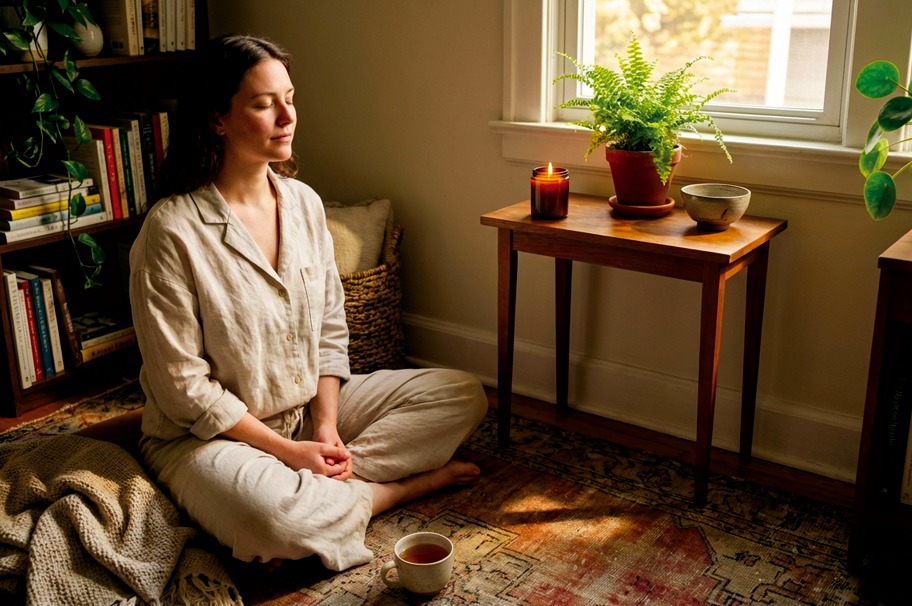
Integration Circles
What they are:
- Group gatherings for people integrating ceremonial experiences
- Typically 6-12 people with a facilitator
- Regular meetings (weekly, bi-weekly, or monthly)
- Structured sharing and witnessing
- Not therapy, but supportive community
Benefits:
- You’re not alone
- Others understand your experience
- Witnessing helps integration
- Learn from others’ processes
- Accountability and support
- Normalizes the integration journey
How to find them:
- Ask your retreat center
- Search for local psychedelic/shamanic communities
- Online integration circles (Zoom-based)
- Start one yourself with fellow participants
Integration and Relationships
Navigating relationships is part of integration after a shamanic retreat.
Common Relationship Challenges
| Challenge | What’s Happening |
|---|---|
| Partner doesn’t understand | They didn’t have the experience; gap in shared reality |
| Feeling disconnected from friends | You’ve changed; they haven’t; old connections feel shallow |
| Family tension | Family systems resist individual change |
| Wanting to share but can’t | Experience is hard to articulate; others may judge |
| Relationship issues surfacing | Ceremony revealed what was already there |
Communicating About Your Experience
With supportive people:
- Share what feels right, not everything
- Focus on insights and changes, not just visions
- Invite questions rather than lecturing
- Accept that they can’t fully understand
- Appreciate their support even if imperfect
With skeptical people:
- You don’t owe anyone an explanation
- “I attended a wellness retreat” is sufficient
- Don’t try to convince or convert
- Protect your experience from dismissal
- Actions speak louder than explanations
With intimate partners:
- Share your process, not just conclusions
- Include them in your integration where appropriate
- Be patient with their adjustment
- Address relationship insights directly
- Consider couples support if needed
When Relationships Need to Change
Ceremony often reveals relationship truths:
- Relationships that aren’t serving you
- Boundaries that need to be set
- Connections that need deepening
- Patterns that need to change
Approach relationship changes:
- Don’t make major decisions in the first weeks
- Let insights settle before acting
- Have honest conversations
- Seek support for difficult changes
- Trust that authentic change serves everyone
Protecting Your Integration
Some people and environments can undermine integration:
- Dismissive or mocking responses
- Pressure to “be normal”
- Toxic relationships or environments
- People who drain your energy
Boundaries to consider:
- Limit time with unsupportive people initially
- Don’t share with people who won’t honor it
- Create space for your practices
- Prioritize integration over social obligations
- It’s okay to need space
Lifestyle Changes for Lasting Integration
Sustainable changes support integration after a shamanic retreat.
Diet and Substances
Continuing mindful eating:
- Don’t immediately return to old eating patterns
- Maintain cleaner diet for at least 2-4 weeks
- Notice how different foods affect you now
- Let ceremony insights guide food choices
- Gradual transition is better than sudden return
Alcohol and substances:
- Avoid alcohol for at least 1-2 weeks (longer for plant medicine)
- Notice your relationship with substances post-ceremony
- Many people naturally want less after ceremony
- If you return to old patterns, notice without judgment
- Consider what substances are serving or hindering
Media and Technology
Your sensitivity is heightened post-ceremony:
- Violent or disturbing content affects you more
- Social media can feel jarring
- News can be overwhelming
- Screens can disconnect you from integration
Recommendations:
- Maintain reduced media for 1-2 weeks minimum
- Reintroduce consciously, noticing effects
- Consider permanent changes to media diet
- Protect morning and evening from screens
- Use technology intentionally, not habitually
Work and Productivity
Integration requires energy:
- Don’t immediately return to full intensity
- Build in spaciousness where possible
- Bring ceremony insights to how you work
- Notice what feels aligned vs. draining
- Major career changes: wait, then act deliberately
Environment
Your space affects your integration:
- Create a dedicated practice space
- Clear clutter that doesn’t serve you
- Add elements that support your practice (altar, plants, meaningful objects)
- Make your home a supportive container
- Spend more time in nature
Long-Term Integration: Months and Years
Integration continues long after the initial period of integration after a shamanic retreat.
The Ongoing Journey
Integration isn’t a task to complete—it’s a way of living.
| Timeframe | What’s Happening |
|---|---|
| Months 2-6 | Changes stabilizing; new insights still emerging; testing in real life |
| Months 6-12 | New patterns becoming natural; deeper layers may surface; perspective growing |
| Year 1+ | Integration becomes lifestyle; continued unfolding; considering future work |
Maintaining Practices Long-Term
The challenge: Initial motivation fades; life gets busy; practices slip.
What helps:
- Build practices into non-negotiable routine
- Keep practices sustainable (shorter is better than abandoned)
- Connect with community for accountability
- Refresh practices periodically
- Remember why you started
- Be compassionate with lapses; recommit without drama
When to Consider Another Ceremony
Not too soon:
- Minimum 3-6 months between intensive ceremonies
- Longer for very deep work
- Integration should be substantially complete
- New ceremony shouldn’t be escape from integration
Signs you might be ready:
- Current integration feels complete
- Clear new intention emerging
- Not seeking to repeat or escape
- Life is stable
- Called, not just curious
Signs you’re not ready:
- Still processing last ceremony
- Seeking escape from difficult feelings
- Life is chaotic or unstable
- Using ceremony as substitute for daily practice
- Chasing experiences
Integration as Lifestyle
Eventually, integration becomes how you live:
- Daily practice is just what you do
- Ceremony insights are embodied, not just remembered
- You live differently, not just think differently
- The sacred is present in ordinary life
- You become the change you experienced
Learn more:
→ Preparing for a Shamanic Journey
→ What to Expect at Your First Shamanic Retreat
FAQ: Integration After a Shamanic Retreat
How long does integration take? The most intensive integration period is typically 4-8 weeks, but integration truly continues for months or even years. Major ceremonies like ayahuasca may take 6-12 months to fully integrate. The initial insights may be clear quickly, but embodying them in lasting change takes time. Don’t rush the process. Some people report that insights from ceremonies continue unfolding and deepening for years afterward.
What if I can’t remember much from my ceremony? This is common and doesn’t mean the experience wasn’t valuable. The conscious mind doesn’t always retain ceremony content, but the deeper psyche has received it. Focus on what you do remember, even fragments. Pay attention to dreams, which often continue processing. Notice changes in how you feel or behave, even without clear memories of why. Sometimes understanding comes later. Trust that the work happened even if memory is limited.
I feel worse after my retreat. Is this normal? It can be. Ceremony often surfaces difficult material that was previously suppressed. You may feel worse before you feel better as this material processes. This is sometimes called a “healing crisis.” However, if you’re significantly struggling—unable to function, persistent depression or anxiety, dissociation, or thoughts of self-harm—seek professional support. There’s a difference between difficult integration and needing clinical help. When in doubt, reach out.
How do I explain my experience to people who don’t understand? You don’t have to explain everything to everyone. With curious, open people, share what feels right—focus on insights and changes rather than trying to describe ineffable experiences. With skeptical people, a simple “I attended a retreat that was really meaningful to me” is sufficient. Protect your experience from those who would diminish it. The most powerful explanation is how you live differently, not what you say about visions.
My insights are fading. Did I do something wrong? Fading is normal if you’re not actively integrating. Insights are like dreams—vivid upon waking, then fading without attention. This is why journaling immediately and maintaining practices is so important. If insights have faded, return to your notes. Revisit your intentions. Reconnect with the felt sense of the experience through meditation or nature. The insights aren’t gone; they may just need reactivation. This is also why integration support helps—external reflection keeps insights alive.
Can I integrate on my own or do I need support? You can do significant integration work on your own through journaling, practice, and conscious living. However, support typically deepens and accelerates integration. At minimum, having one person who understands and can witness your process is valuable. For intensive ceremonies or difficult material, professional support is recommended. Integration circles offer community without the cost of individual therapy. The question isn’t whether you “need” support but whether support would serve your integration.
What if my ceremony revealed I need to make major life changes? This is common—ceremonies often show us what needs to change. The key is timing and process. Don’t make major decisions in the first few weeks when you’re still raw and processing. Let insights settle. Discuss with trusted people and integration support. When the insight persists and clarity grows, then begin taking steps. Major changes (leaving relationships, quitting jobs, moving) deserve careful consideration, even when the direction is clear. Rushed decisions often create unnecessary chaos.
How do I maintain integration when life gets busy? This is the central challenge of integration. Build practices into non-negotiable routines—morning meditation before anything else, journaling before bed. Keep practices short enough to be sustainable; 10 minutes daily beats 60 minutes occasionally. Connect with community for accountability. When you slip, recommit without self-judgment. Remember that integration isn’t separate from life—bringing presence and intention to ordinary activities is integration. The goal is integration becoming how you live, not another task on your list.
Final Thoughts
Integration after a shamanic retreat is where ceremony becomes life.
The visions fade. The altered state passes. The retreat ends. But what remains—what can remain—is transformation. Not as memory, but as lived reality. Not as something that happened to you, but as who you’ve become.
This doesn’t happen automatically. It happens through integration. Through the daily practice of showing up. Through the courage to make changes. Through the patience to let insights unfold. Through the humility to seek support. Through the commitment to live differently, not just think differently.
The ceremony gave you something precious. Seeds of insight. Openings for healing. Glimpses of possibility. Connections to something greater. These gifts are real. But gifts must be received, unwrapped, and used—or they remain wrapped packages gathering dust.
Integration is the unwrapping. Integration is the using. Integration is the living.
So tend what was planted. Water the seeds daily. Pull the weeds of old patterns. Create conditions for growth. Be patient with the seasons. Trust the process even when you can’t see progress.
The spirits did their part in ceremony. Now it’s your turn.
The journey continues. The real work begins. And the transformation you experienced can become the transformation you live.
One day at a time. One practice at a time. One choice at a time.
This is integration. This is how ceremony becomes life.
Looking for your next transformative retreat?
When integration is complete and you’re ready for the next step, we’ve curated shamanic retreats worldwide for every stage of the journey.