How to Prepare for an Ayahuasca Retreat: Everything You Need to Know

Affiliate Disclosure
We partner with retreat centers and booking platforms. When you book through our links, we may earn a commission at no extra cost to you. This supports our work and allows us to keep providing honest, in-depth reviews. Read our editorial policy.
Table Of Content
- Affiliate Disclosure
- Introduction
- Why Preparation Matters
- The Ayahuasca Diet (Dieta)
- Medications and Substances to Avoid
- Mental and Emotional Preparation
- Practical Preparation
- The Week Before Your Retreat
- Setting Intentions
- What to Expect During Ceremony
- After Ceremony: Integration
- Choosing the Right Retreat
- FAQ
- Final Thoughts
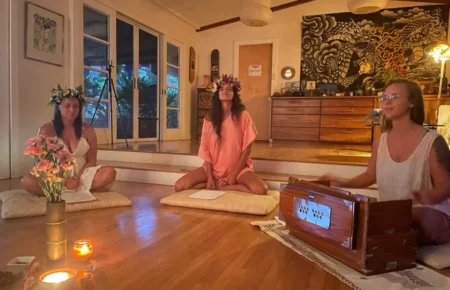
Proper preparation honors the sacred nature of ayahuasca ceremony. What you do before you arrive shapes what you receive.
Introduction
You’ve made the decision. After months—maybe years—of curiosity, research, and inner questioning, you’re going to sit with ayahuasca. The retreat is booked. The dates are set. Now comes the real work: preparation.
Learning how to prepare for an ayahuasca retreat is not optional. It’s essential. Unlike a yoga retreat or meditation workshop, ayahuasca ceremony involves a powerful plant medicine that interacts with your body, mind, and spirit in profound ways. Proper preparation isn’t just about having a better experience—it’s about safety, respect, and creating the conditions for genuine healing.
This guide covers everything you need to know: the dietary guidelines (and why they matter), medications and substances to avoid, how to prepare mentally and emotionally, what to bring, and how to set intentions that serve your journey. Whether this is your first ceremony or your tenth, thorough preparation makes all the difference.
The medicine will meet you wherever you are. But the more prepared you are, the deeper you can go.
Why Preparation Matters
Safety First
Ayahuasca contains MAOIs (monoamine oxidase inhibitors) that interact dangerously with certain foods, medications, and substances. Ignoring dietary and medical guidelines can cause serious health complications—including hypertensive crisis, serotonin syndrome, or worse.
This isn’t fear-mongering. It’s pharmacology. Preparation protocols exist because they save lives.
Energetic Cleansing
Traditional perspectives view preparation as energetic cleansing. The dieta (dietary restrictions) clears your body and energy field, making you more receptive to the medicine’s teachings. A cluttered system—physically or energetically—creates static that interferes with the transmission.
Respect for the Medicine
Ayahuasca is not a recreational drug. It’s a sacred plant teacher used for thousands of years by indigenous Amazonian cultures. Approaching ceremony with proper preparation demonstrates respect—for the medicine, the tradition, the facilitators, and yourself.
Better Outcomes
Participants who prepare thoroughly consistently report:
- Deeper, more meaningful experiences
- Less physical discomfort
- Greater clarity and insight
- Easier integration afterward
- Fewer challenging or confusing experiences
Preparation doesn’t guarantee an easy journey—ayahuasca is rarely “easy”—but it creates conditions for the journey to be productive.
The Ayahuasca Diet (Dieta)
The dietary preparation for ayahuasca is called “la dieta.” It typically begins 2–4 weeks before ceremony, though requirements vary by center. Some ask for stricter protocols; others are more lenient. Always follow your specific retreat’s guidelines.
Why Diet Matters
Pharmacological reasons: Ayahuasca contains MAOIs, which inhibit the enzyme that breaks down tyramine in food. High-tyramine foods combined with MAOIs can cause dangerous spikes in blood pressure.
Energetic reasons: Traditional perspectives hold that certain foods carry heavy or disruptive energies that interfere with the medicine’s work. Clean eating creates a clear vessel.
Physical comfort: A clean diet reduces nausea, purging intensity, and physical discomfort during ceremony.
Foods to Avoid
Strictly avoid (2–4 weeks before):
| Category | Specific Items |
|---|---|
| Fermented foods | Aged cheese, sauerkraut, kimchi, soy sauce, miso, tempeh |
| Cured/aged meats | Salami, pepperoni, bacon, smoked fish, aged meats |
| Alcohol | All types—beer, wine, spirits |
| Recreational drugs | Cannabis, cocaine, MDMA, all recreational substances |
| Tyramine-rich foods | Overripe bananas, avocados, dried fruits, broad beans |
| Fermented drinks | Kombucha, kefir |
| Processed foods | Anything with preservatives, artificial additives |
| Caffeine | Coffee, energy drinks, strong tea (some centers allow mild tea) |
| Excess salt | Heavily salted foods |
| Excess sugar | Refined sugar, sweets, candy |
| Spicy foods | Hot peppers, heavy spices |
| Red meat | Beef, pork (some centers allow limited amounts) |
| Pork | All pork products (traditionally prohibited) |
| Sexual activity | Abstinence recommended (preserves energy) |
Foods to Eat
Encouraged foods:
- Fresh vegetables (steamed or raw)
- Fresh fruits (not overripe)
- Whole grains (rice, quinoa, oats)
- Legumes (lentils, chickpeas—well-cooked)
- Light proteins (chicken, fish, eggs—in moderation)
- Nuts and seeds (unsalted, fresh)
- Herbal teas (caffeine-free)
- Plenty of water
Sample Pre-Retreat Meal Plan
Breakfast:
- Oatmeal with fresh berries
- Herbal tea
- Fresh fruit
Lunch:
- Grilled chicken or fish
- Steamed vegetables
- Brown rice or quinoa
- Water
Dinner:
- Vegetable soup or stir-fry
- Whole grain bread
- Light salad
- Herbal tea
Snacks:
- Fresh fruit
- Unsalted nuts
- Rice cakes
Timeline
| Timeframe | Restrictions |
|---|---|
| 4 weeks before | Stop recreational drugs, reduce alcohol |
| 2 weeks before | Full dieta begins, no alcohol, no tyramine-rich foods |
| 1 week before | Stricter adherence, lighter meals, more vegetables |
| 3 days before | Very clean eating, reduced portions, increased water |
| Day of ceremony | Light breakfast, no lunch (or very light), fasting before ceremony |

Medications and Substances to Avoid
⚠️ THIS SECTION IS CRITICAL FOR YOUR SAFETY ⚠️
Certain medications interact dangerously with ayahuasca’s MAOI properties. Some interactions can be life-threatening. Always disclose ALL medications and supplements to your retreat center, and consult a medical professional before making changes.
Absolutely Contraindicated
Do NOT take ayahuasca if you are using:
| Category | Examples | Risk |
|---|---|---|
| SSRIs | Prozac, Zoloft, Lexapro, Paxil, Celexa | Serotonin syndrome (potentially fatal) |
| SNRIs | Effexor, Cymbalta, Pristiq | Serotonin syndrome |
| MAOIs | Nardil, Parnate, Marplan | Hypertensive crisis |
| Tricyclic antidepressants | Amitriptyline, nortriptyline | Serotonin syndrome |
| Lithium | Lithium carbonate | Seizures, cardiac issues |
| Tramadol | Ultram | Seizures, serotonin syndrome |
| ADHD medications | Adderall, Ritalin, Vyvanse | Cardiovascular risk |
| Certain migraine medications | Triptans (Imitrex, etc.) | Serotonin syndrome |
| St. John’s Wort | Herbal supplement | Serotonin syndrome |
| 5-HTP, L-tryptophan | Supplements | Serotonin syndrome |
| Dextromethorphan (DXM) | Cough medicines | Serotonin syndrome |
Tapering Requirements
If you take SSRIs or SNRIs, you must taper off under medical supervision well before your retreat:
| Medication | Minimum Washout Period |
|---|---|
| Most SSRIs | 2–6 weeks (depending on half-life) |
| Fluoxetine (Prozac) | 5–6 weeks (long half-life) |
| SNRIs | 2–4 weeks |
| MAOIs | 2 weeks minimum |
Never stop psychiatric medications abruptly. Work with your prescribing doctor to create a safe tapering plan. Some people are not candidates for ayahuasca due to medication needs—and that’s okay.
Other Substances to Avoid
| Substance | Timeframe |
|---|---|
| Cannabis | 2 weeks minimum (ideally 4 weeks) |
| MDMA/Ecstasy | 4–6 weeks minimum |
| Cocaine | 2–4 weeks minimum |
| Amphetamines | 2–4 weeks minimum |
| Opioids | Discuss with retreat center (complex interactions) |
| Alcohol | 2 weeks minimum |
| Nicotine | Reduce or quit if possible (not strictly contraindicated) |
Medical Conditions Requiring Caution
Discuss with your retreat center and doctor if you have:
- Heart conditions (ayahuasca can raise heart rate and blood pressure)
- Severe hypertension
- Epilepsy or seizure disorders
- Schizophrenia or psychotic disorders
- Bipolar disorder (especially with manic episodes)
- Severe PTSD (not contraindicated, but requires experienced facilitation)
- Pregnancy or breastfeeding (contraindicated)
The Bottom Line
Full disclosure is non-negotiable. Reputable retreat centers will ask detailed medical questions. Answer honestly—your safety depends on it. If a center doesn’t ask about medications, that’s a red flag.
Mental and Emotional Preparation
Physical preparation is straightforward. Mental and emotional preparation is subtler—but equally important.
Clarify Your Intentions
Why are you doing this? What do you hope to receive, heal, or understand?
Intentions aren’t goals. You can’t control what ayahuasca shows you. But clear intentions focus your energy and give the medicine something to work with.
Examples of intentions:
- “I want to understand my patterns of self-sabotage”
- “I’m seeking healing from childhood trauma”
- “I want to connect with my purpose”
- “I’m ready to release grief I’ve been carrying”
- “I want to experience my true nature beyond ego”
Write your intentions down. Revisit them during preparation. Hold them lightly—the medicine may have other plans.
Address Your Fears
Fear is normal. Ayahuasca can be intense, confronting, and unpredictable. Pretending you’re not afraid doesn’t help.
Common fears:
- Fear of losing control
- Fear of what you might see or feel
- Fear of purging
- Fear of psychological damage
- Fear of not getting anything from the experience
How to work with fear:
- Acknowledge it honestly
- Journal about what specifically scares you
- Research to separate realistic concerns from anxiety
- Talk to people who’ve done ayahuasca
- Remember: fear is often a guardian at the threshold of transformation
Reduce Mental Stimulation
In the weeks before ceremony, begin quieting your mind:
- Reduce social media and news consumption
- Limit entertainment (TV, movies, gaming)
- Spend more time in nature
- Practice meditation or quiet reflection
- Reduce social obligations
- Create space for introspection
Begin Inner Work
Don’t wait for ayahuasca to do all the work. Start the process now:
- Journal about what you want to heal or understand
- Reflect on patterns in your life
- Consider therapy sessions to surface material
- Practice sitting with difficult emotions
- Cultivate self-compassion
Prepare for Difficulty
Ayahuasca ceremonies can include:
- Intense visions
- Emotional catharsis (crying, fear, grief)
- Physical purging (vomiting, diarrhea)
- Confrontation with shadow material
- Ego dissolution
- Temporary confusion or disorientation
This isn’t a warning to scare you—it’s preparation. Knowing that difficulty is possible (and normal) helps you move through it when it arises.
Mantra for difficult moments: “This too shall pass. I am safe. The medicine is working.”

Practical Preparation
What to Bring
Essentials:
- Comfortable, loose clothing (white or light colors often requested)
- Layers (ceremonies can feel hot or cold)
- Personal toiletries
- Medications (disclosed to center)
- Journal and pen
- Water bottle
- Flashlight or headlamp (for nighttime navigation)
- Insect repellent (for jungle locations)
- Sunscreen
For Ceremony:
- Comfortable clothes you can lie down in
- Warm shawl or blanket
- Eye mask (optional—some prefer darkness)
- Personal sacred objects (crystals, photos, meaningful items)
- Tissues
- Hair tie (if applicable)
Optional but Helpful:
- Earplugs (for sleeping in shared spaces)
- Yoga mat or cushion
- Books for downtime (light, spiritual reading)
- Art supplies (for integration)
- Comfortable walking shoes
- Rain gear (for jungle locations)
Leave at Home:
- Excessive electronics
- Work materials
- Anything you’d be devastated to lose
- Expectations of what the experience “should” be
Logistics to Handle Before You Go
- Inform someone trusted about your whereabouts
- Arrange time off work (including integration days after)
- Set up out-of-office messages
- Handle bills and responsibilities
- Arrange pet/plant care
- Prepare for limited communication (many centers have no WiFi)
Travel Considerations
If traveling internationally:
- Check visa requirements
- Ensure passport validity (6+ months)
- Research health requirements (vaccinations, etc.)
- Arrange travel insurance (note: some policies exclude “drug use”)
- Book arrival with buffer time (don’t rush to ceremony)
- Plan post-retreat recovery time before flying home
The Week Before Your Retreat
The final week is crucial. Treat it as the beginning of ceremony.
Days 7–4: Deepening the Dieta
- Strictest adherence to dietary guidelines
- Lighter meals, more vegetables
- Increased water intake
- No alcohol, caffeine, or processed foods
- Reduced screen time
- More time in nature or quiet reflection
Days 3–1: Final Preparation
- Very light, clean eating
- Fasting or semi-fasting (follow your center’s guidelines)
- Minimal social interaction
- Journaling and intention refinement
- Packing and practical preparation
- Early bedtimes, quality sleep
Day of Departure
- Light breakfast (if eating)
- Final intention-setting
- Gratitude practice
- Travel with calm, unhurried energy
- Arrive open and receptive
Mental Checklist
Before you leave, ensure you’ve:
- Followed dietary guidelines for required period
- Stopped all contraindicated medications (with medical guidance)
- Disclosed all health information to retreat center
- Clarified your intentions
- Handled practical responsibilities
- Informed someone of your whereabouts
- Packed appropriately
- Cultivated openness and surrender
Setting Intentions
Intentions deserve special attention. They’re the compass for your journey.
What Makes a Good Intention?
Effective intentions are:
- Specific enough to focus energy
- Open enough to allow unexpected answers
- Heart-centered rather than ego-driven
- Oriented toward growth, healing, or understanding
Less effective intentions:
- “I want to have cool visions” (entertainment-seeking)
- “I want to be fixed” (passive, externalizing)
- “I want to see God” (demanding specific experience)
- “I want to know everything” (too vague)
More effective intentions:
- “I want to understand why I keep sabotaging relationships”
- “I’m ready to release the grief I’ve carried since my mother’s death”
- “I want to reconnect with my sense of purpose”
- “I’m open to seeing what I need to see for my healing”
- “I want to forgive myself for past mistakes”
How to Set Intentions
1. Reflect on your life What’s not working? What patterns repeat? What pain persists? What questions haunt you?
2. Feel into your heart Beyond what you think you “should” work on, what does your heart long for?
3. Write freely Journal without censoring. Let intentions emerge organically.
4. Refine and simplify Distill to 1–3 core intentions. Simple is powerful.
5. Hold lightly Offer your intentions to the medicine, then surrender attachment to outcomes. The medicine knows what you need—which may differ from what you want.
During Ceremony
When you drink, silently state your intention. Then let go. Don’t grasp or force. Trust the process.
If the ceremony goes in unexpected directions, don’t resist. The medicine is intelligent. What you receive is what you need—even if it’s not what you asked for.
What to Expect During Ceremony
Knowing what’s coming reduces anxiety and helps you navigate the experience.
The Setting
Most ceremonies happen at night in a ceremonial space (maloca). You’ll have a mattress or mat, bucket (for purging), water, and tissues. The space is usually candlelit or dark.
The Process
Opening:
- Facilitators set the space with prayer, song, or ritual
- Participants may share intentions
- The medicine is blessed and served
Drinking:
- You’ll drink a small cup of thick, bitter liquid
- The taste is challenging—earthy, bitter, intense
- Effects begin 20–60 minutes later
The Journey (4–6 hours):
- Visions, emotions, physical sensations
- Waves of intensity alternating with calm
- Possible purging (vomiting, sometimes diarrhea)
- Icaros (sacred songs) sung by facilitators
- Facilitators available for support
Coming Down:
- Gradual return to ordinary consciousness
- Often a sense of peace, clarity, or exhaustion
- Ceremony closes with sharing or silence
- Rest and sleep
Common Experiences
Physical:
- Nausea and vomiting (the “purge”—considered cleansing)
- Diarrhea (less common)
- Temperature fluctuations
- Tingling or energy sensations
- Yawning, crying, shaking
Visual:
- Geometric patterns
- Colors and light
- Symbolic imagery
- Visions of nature, animals, beings
- Scenes from your life
- Some people see very little—this doesn’t mean it’s not working
Emotional:
- Intense emotions surfacing (grief, fear, joy, love)
- Cathartic release
- Revisiting memories
- Feeling connected to something larger
- Profound peace or love
Cognitive:
- Insights about your life
- Understanding patterns
- Seeing situations from new perspectives
- Receiving “downloads” of information
- Confusion (temporary)
The Purge
Vomiting is common and considered part of the healing. It’s not just physical—it’s energetic release. You’re purging what no longer serves you.
Tips for purging:
- Don’t resist—let it happen
- Have your bucket close
- Breathe through nausea
- Trust that it’s cleansing
- You’ll likely feel better afterward
Not everyone purges. If you don’t vomit, that’s fine too.
Difficult Experiences
Ayahuasca can be challenging. You may experience:
- Fear or terror
- Confrontation with shadow aspects
- Reliving trauma
- Ego death (feeling like you’re dying)
- Confusion or disorientation
- Feeling stuck in difficulty
How to navigate:
- Remember: “This too shall pass”
- Breathe deeply and slowly
- Surrender rather than fight
- Call for facilitator support if needed
- Trust the medicine and the process
- Remind yourself you’re safe
Difficult experiences often precede the deepest healing. The medicine shows you what needs to be seen.
After Ceremony: Integration
The ceremony is just the beginning. Integration—making sense of and applying what you experienced—is where lasting transformation happens.
Immediate Aftercare (Days 1–3)
- Rest as much as needed
- Continue clean eating
- Drink plenty of water
- Journal while memories are fresh
- Avoid screens and stimulation
- Spend time in nature
- Allow emotions to flow
- Don’t rush to “figure it out”
Short-Term Integration (Weeks 1–4)
- Maintain meditation or contemplative practice
- Continue journaling
- Process with therapist or integration coach
- Share with trusted friends (selectively)
- Make small changes aligned with insights
- Be patient with yourself
- Avoid major life decisions immediately
Long-Term Integration (Months 1–12)
- Implement changes gradually
- Notice what’s shifted in your life
- Return to insights when you forget
- Consider follow-up ceremonies (when ready)
- Stay connected to community
- Continue inner work practices
Integration Practices
- Journaling: Write about visions, insights, emotions
- Meditation: Daily practice to maintain connection
- Therapy: Professional support for processing
- Bodywork: Massage, yoga, somatic work
- Art: Drawing, painting, or creative expression
- Nature: Time outdoors, grounding
- Community: Sharing circles, integration groups
Choosing the Right Retreat
Not all ayahuasca retreats are equal. Safety and quality vary enormously.
Red Flags
- No medical screening or medication questions
- Facilitators with no lineage or training
- Very large groups with few facilitators
- No integration support
- Pressure to drink more than you’re comfortable with
- Mixing ayahuasca with other substances
- Sexual misconduct allegations
- Lack of transparency about practices
Green Flags
- Thorough medical intake process
- Experienced facilitators with clear lineage
- Small group sizes (ideally under 15)
- Adequate facilitator-to-participant ratio
- Integration support included
- Clear safety protocols
- Positive reviews and testimonials
- Transparency about what to expect
Questions to Ask
- What is the facilitators’ training and experience?
- What is the group size and facilitator ratio?
- What medical screening do you require?
- What happens if someone has a difficult experience?
- What integration support do you offer?
- What tradition does your practice come from?
FAQ
How long before the retreat should I start the diet? Most centers recommend 2–4 weeks. Some require longer for certain medications. Follow your specific retreat’s guidelines—they know their medicine and protocols.
What if I slip up on the diet? One small slip isn’t catastrophic, but it may affect your experience. Be honest with your facilitators. The stricter you follow the dieta, the cleaner your experience tends to be.
Can I take ayahuasca if I’m on antidepressants? Not safely. SSRIs, SNRIs, and MAOIs are strictly contraindicated due to risk of serotonin syndrome. You must taper off under medical supervision, with adequate washout time (2–6 weeks depending on medication).
What if I’m scared? Fear is normal and healthy. It shows you’re taking this seriously. Work with your fear through journaling, talking to experienced people, and remembering that millions have safely drunk ayahuasca. Fear often transforms into respect.
Will I definitely vomit? Most people purge at some point, but not everyone and not every ceremony. Purging is considered part of the healing—you’re releasing what doesn’t serve you. It’s usually not as bad as anticipated.
What if nothing happens? Sometimes the medicine works subtly. “Nothing happening” visually doesn’t mean nothing is happening internally. Trust the process. Insights often emerge in the days and weeks after ceremony.
How many ceremonies should I do? Most retreats include 2–4 ceremonies. Multiple ceremonies allow deeper work—each builds on the last. One ceremony can be profound, but a series often provides more complete healing.
Is ayahuasca legal? Legality varies by country. It’s legal in Peru, Brazil, and some other countries. It exists in legal gray areas in places like Costa Rica, Portugal, and the Netherlands. It’s illegal in the US, UK, and many other countries. Research your specific destination.
Final Thoughts
Preparing for an ayahuasca retreat is itself a sacred process. The dieta, the mental preparation, the intention-setting—all of it is part of the ceremony. The medicine begins working the moment you commit.
Approach this journey with respect, humility, and openness. Follow the guidelines not as arbitrary rules but as wisdom accumulated over thousands of years of working with this plant teacher.
You cannot control what ayahuasca will show you. You can only prepare the vessel—your body, mind, and heart—to receive whatever comes.
Trust the medicine. Trust your facilitators. Trust yourself.
The jungle is calling. Are you ready to answer?
Ready to begin your journey?
Proper preparation transforms an ayahuasca retreat from overwhelming to profound. You’ve done the research. Now find the right retreat—and let the medicine do its work.