Personal Wellness Retreat Hawaii: 5-Day Nature Yoga Reset
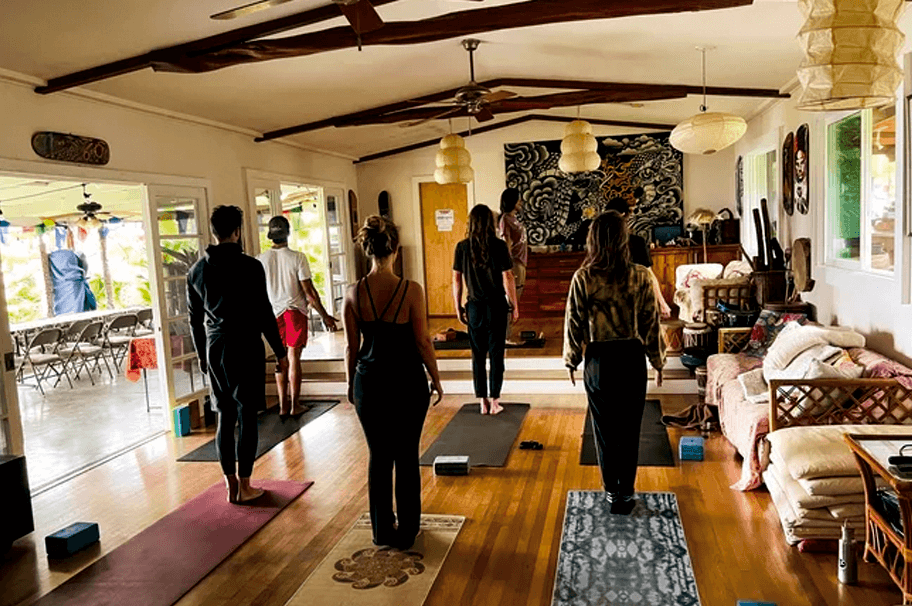
This 5-day personal nature wellness retreat with yoga in Hawaii is designed for travelers who want a reset with breathing room—less “group itinerary” and more “space to land.” It’s a strong match for anyone who’s been running on adrenaline, living in a screen-heavy rhythm, or craving a quieter kind of clarity where nature does half the work.
Table Of Content
- Why “personal + nature” is the real headline
- Yoga: supportive sessions, not a bootcamp
- Nature immersion: why Hawaii changes the nervous system fast
- What a 5-day reset can realistically do (and what it can’t)
- Accommodation and environment: what to confirm for comfort
- Who this retreat is best for (and who should skip)
- FAQ
- Practical booking notes: how to get the most from 5 days
Affiliate disclosure: This page contains an affiliate link. If a booking is made through it, a commission may be earned at no extra cost. The review stays honest and practical either way. Read our editorial policy.
At a glance
| Detail | What to expect |
| Location | Hawaii, USA |
| Duration | 5 days |
| Focus | Personal reset + nature immersion + yoga |
| Vibe | Quiet, grounding, low-pressure |
| Best for | Stress reset, solo travel, gentle structure |
Why “personal + nature” is the real headline
Many yoga retreats create transformation through intensity: packed schedules, long practice blocks, and constant social energy. This retreat leans into the opposite—decompression.
In practice, “personal” usually means you’re not required to be “on” all day. You can join what supports you, step back when you need quiet, and let the retreat feel like a container rather than a performance.
That’s especially valuable if you’re: – An introvert (or simply socially tired) – New to retreats and unsure about group dynamics – In a season of life where privacy feels like medicine
If you’re comparing other options in the country, start here: USA retreats.

Yoga: supportive sessions, not a bootcamp
The listing frames this as a wellness retreat with yoga, which typically means yoga supports the reset rather than dominating the day.
In a nature-forward, personal retreat, yoga tends to be: – Nervous-system friendly: slower pacing, longer holds, more breath awareness – Mobility-focused: hips, spine, shoulders—areas that tighten under stress – Recovery-oriented: restorative or gentle flows that improve sleep and digestion
Before booking, it’s worth confirming: – How many yoga sessions are included (daily or select days) – Whether the style is more vinyasa-based or more restorative – If props are available (blocks, bolsters, straps)
Nature immersion: why Hawaii changes the nervous system fast
Hawaii isn’t just a pretty backdrop—it’s an active ingredient. Nature-based retreats often work because they reduce the “micro-stressors” that keep the body in a constant alert state: traffic, notifications, deadlines, and decision fatigue.
As a result, even a short stay can create noticeable shifts: – Breathing becomes deeper without forcing it – Sleep improves because the body finally feels safe enough to downshift. – Appetite and digestion regulate when stress hormones soften
A simple but powerful way to use the setting: treat your walks like practice. Slow pace, wide gaze, minimal phone. Let the environment retain attention.
What a 5-day reset can realistically do (and what it can’t)
Five days is long enough to create a meaningful shift, but it’s not long enough to “fix everything.” The healthiest expectation is a pattern interrupt—a clean break from your current rhythm.
Many guests use a 5-day personal retreat to: – Re-establish sleep timing – Rebuild basic routines (movement, hydration, simple meals) – Reduce stress reactivity and mental noise – Clarify next steps (work, relationships, habits)
The key is what happens after. The best retreats leave you with a small, realistic plan you can keep for 7–14 days at home.

Accommodation and environment: what to confirm for comfort
Because this is a nature wellness experience, the setting often prioritizes simplicity and connection over “resort polish.” That can be wonderful—if it matches your expectations.
Before you commit, confirm: – Your privacy level (private room vs. shared) – Bathroom setup (private vs. shared) – Noise expectations (nature sounds, community spaces) – Any mobility considerations (stairs, uneven paths)
Who this retreat is best for (and who should skip)
Best for: – Solo travelers who want a wellness reset with yoga – People who prefer quiet over constant group activities – Anyone who wants nature, simplicity, and gentle structure – Busy professionals who need a nervous-system downshift
Not ideal for: – Guests who want a highly social, group-bonding retreat – Travelers who want an all-day schedule packed with workshops – Anyone expecting a luxury resort atmosphere (this is more nature-forward)
If you want a more therapeutic focus, browse healing retreats. If your main goal is cleansing, compare with detox retreats.
FAQ
Is this retreat suitable for solo travelers?
Yes. It’s positioned as a personal wellness retreat, which typically suits solo guests who want privacy and a calmer pace.
Is the yoga beginner-friendly?
Often yes, especially in wellness-focused retreats. However, confirm the yoga style and intensity on the listing before booking.
Is Hawaii worth it for a 5-day retreat?
For many travelers, yes—because nature immersion can accelerate relaxation. That said, travel time matters, so plan arrival and departure carefully.
What should you pack for a nature wellness retreat?
Light layers, comfortable walking shoes, a reusable water bottle, and a journal are usually the essentials.
Practical booking notes: how to get the most from 5 days
To avoid surprises and maximize the reset, check these details on the listing: – What’s included vs. extra (meals, transfers, private sessions) – Arrival/departure windows (especially important with flights) – Suggested packing list (layers, rain protection, walking shoes)
Pro tip: plan a soft landing after the retreat. Keep your first day home light, and choose one “anchor habit” to protect—like a 20-minute walk, a short evening stretch, or a phone-free first hour of the day.