Ayurvedic Panchakarma Retreat Florida: 8-Day Yoga Reset
This Ayurvedic Panchakarma retreat in Florida is designed for travelers who want a structured Ayurvedic cleanse with daily support—not a DIY detox. It’s a good fit for people who feel overstimulated, inflamed, or stuck in digestion and energy patterns, and who want a traditional framework that makes “resetting” feel concrete.
Table Of Content
- At a glance
- What Panchakarma actually is (and why it’s different from a “detox”)
- Program flow: what an 8-day Panchakarma stay typically includes
- Treatments & therapies: what to ask before you book
- Yoga and spiritual tone: supportive, not performance-based
- Food: why the diet is the “engine” of the cleanse
- Who this retreat is best for (and who should pause)
- FAQ
- Practical planning: how to get the most from 8 days
Affiliate disclosure: This page contains an affiliate link. If a booking is made through it, a commission may be earned at no extra cost. The review stays honest and practical either way. Read our editorial policy.
At a glance
| Detail | What to expect |
| Location | Florida, USA |
| Duration | 8 days |
| Focus | Ayurvedic Panchakarma cleanse + yoga |
| Style | Spiritual, Ayurvedic, therapeutic |
| Best for | Guided detox, digestion reset, stress downshift |
What Panchakarma actually is (and why it’s different from a “detox”)
Panchakarma is a classical Ayurvedic cleansing approach that typically combines therapies, diet, and daily rhythm to reduce excess load on the digestive system and support elimination. In contrast to many modern detox programs, Panchakarma is usually personalized—the intensity and methods should adapt to your constitution and current state.
In other words, this isn’t about pushing through. It’s about creating conditions where the body can downshift and repair.
Additionally, if you’re comparing other programs in the country, browse: USA retreats.
Program flow: what an 8-day Panchakarma stay typically includes
The Tripaneer listing positions this as an Ayurvedic Panchakarma retreat with yoga. While exact schedules vary, most 8-day programs follow a recognizable arc:
- Intake + assessment: a consultation to map goals, digestion, sleep, stress, and contraindications.
- Preparation phase: lighter meals and routines that prime digestion.
- Therapy phase: a sequence of bodywork and treatments designed to mobilize and release.
- Integration phase: a gradual return to normal routines, with guidance for home.
That said, the safest retreats keep the approach flexible. For example, if you’re depleted or sensitive, a practitioner may prioritize grounding therapies over aggressive cleansing.

Treatments & therapies: what to ask before you book
Because Panchakarma is therapy-led, it’s smart to confirm what’s included. Common modalities in Panchakarma-style retreats can include: – Warm oil bodywork (often used to calm the nervous system) – Steam or heat therapies (to support circulation and release) – Herbalized applications and targeted treatments
However, specific therapies vary by provider and your intake. Before booking, ask: – How many treatments are included per day? – Is there an Ayurvedic consultation on arrival and follow-ups during the week? – What’s included vs. extra (supplements, additional therapies, lab work)?
If you want to compare other cleansing-focused stays, see: detox retreats.
Yoga and spiritual tone: supportive, not performance-based
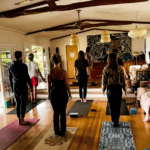
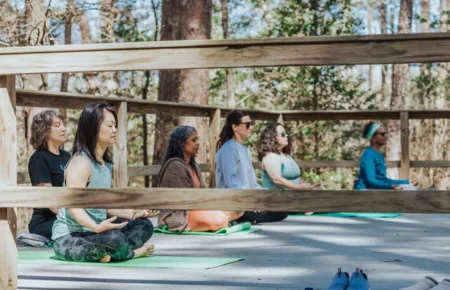
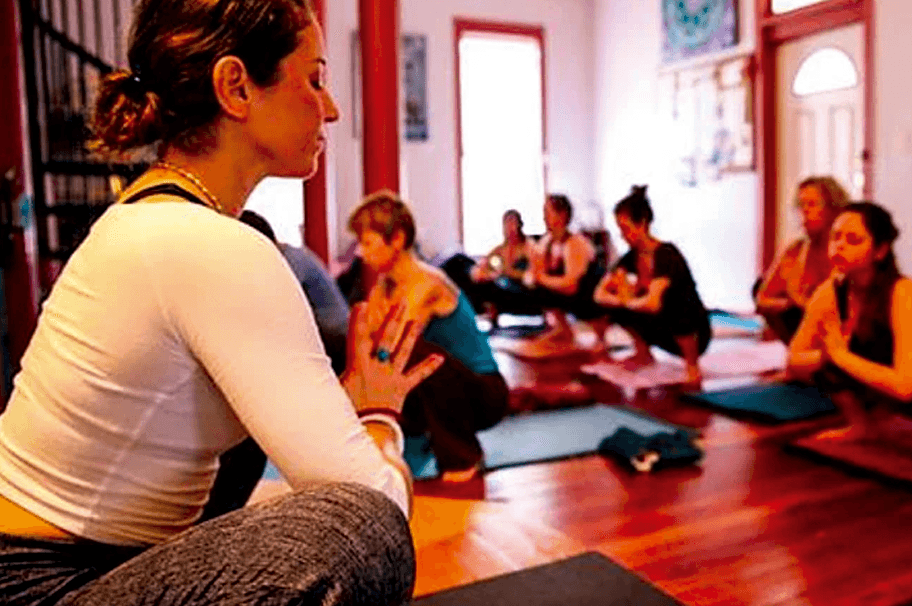
Because the retreat is described as spiritual and Ayurvedic, yoga is best viewed as a support tool. Most Panchakarma programs keep movement gentle—think grounding flows, breathwork, and restorative practices.
As a result, this retreat tends to suit guests who want yoga that helps digestion, sleep, and emotional steadiness, rather than intense training.
Food: why the diet is the “engine” of the cleanse
Food is not an add-on in Panchakarma—it’s the protocol. Most programs use warm, simple, digestion-friendly meals (often centered around easy-to-digest staples). That can feel restrictive if you’re used to variety.
On the other hand, many guests find the simplicity calming. It reduces decision fatigue and helps the body focus on repair.

Who this retreat is best for (and who should pause)
Best for: – Travelers who want a guided Ayurvedic cleanse with daily structure – People who feel “stuck” in digestion, energy, or stress patterns – Anyone who prefers spiritual wellness with traditional roots
Not ideal for: – Guests who want intense workouts or a fitness-style retreat – Travelers who dislike dietary structure – Anyone with complex medical conditions who hasn’t cleared detox travel with a clinician
If your goal is deeper emotional or therapeutic support, you may also want to browse: healing retreats.
FAQ
What is Panchakarma?
Panchakarma is a traditional Ayurvedic cleansing approach that typically combines therapies, diet, and a supportive daily routine.
Is this retreat suitable for beginners?
Often yes, because the program is guided. However, it’s best to confirm health suitability with the provider before booking.
Is yoga intense during Panchakarma?
Usually not. Most Panchakarma programs keep yoga gentle and grounding to support detox and recovery.
How should you prepare for an Ayurvedic cleanse retreat?
Reduce stimulants, plan for extra rest, and ask the provider about intake steps and what to bring.
Can you work remotely during Panchakarma?
It’s possible, but not recommended if you want full benefits. The retreat works best with rest and a lighter schedule.
Practical planning: how to get the most from 8 days
A strong Panchakarma week is as much about pacing as it is about treatments.
Additionally, plan for: – A buffer day after the retreat before returning to high-demand work – Early nights and reduced screen time (it amplifies results) – Comfortable, loose clothing for therapies and rest
Finally, consider your reentry plan. The biggest results often come from what you keep doing for 7–14 days after.
Ready to commit to a guided Ayurvedic reset?