
Shamanic Retreats: Ancient Healing for Modern Seekers
Affiliate Disclosure
We partner with retreat centers and booking platforms. When you book through our links, we may earn a commission at no extra cost to you. This supports our work and allows us to keep providing honest, in-depth reviews. Read our editorial policy
Introduction
Long before therapy, before medicine, before organized religion—there were shamans.
In every indigenous culture across the globe, certain individuals served as bridges between the visible and invisible worlds. They healed illness, retrieved lost soul parts, communed with spirits, and guided their communities through life’s transitions.
Today, shamanic practices are experiencing a revival. Not as cultural appropriation or spiritual tourism, but as genuine paths of healing that address what modern approaches often miss: the soul.
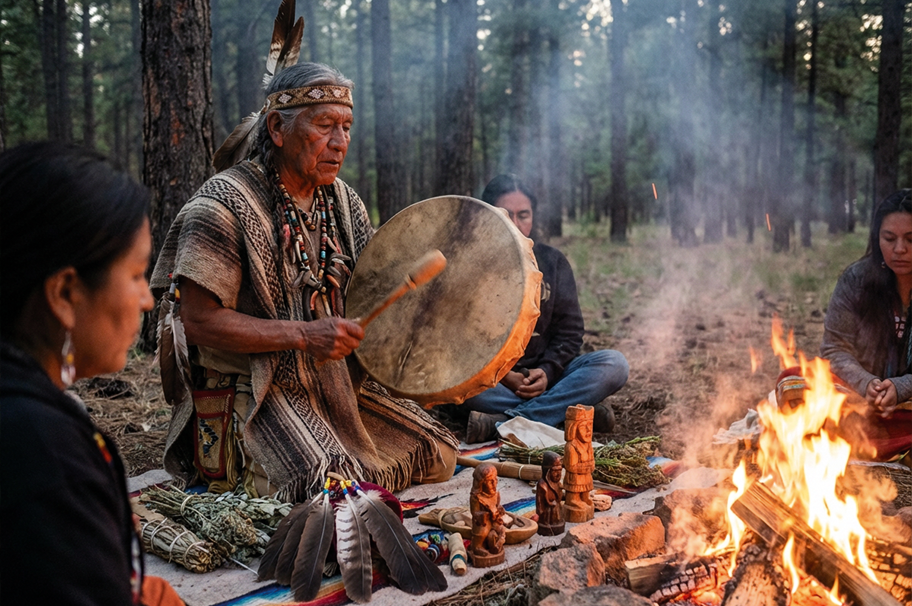
A shamanic retreat offers immersion in these ancient practices—ceremony, ritual, connection with nature, and often profound transformation. This guide helps you understand what shamanism offers and how to find an authentic, safe retreat.
What is shamanism?
Shamanism isn’t a religion—it’s a practice, a technology of consciousness found across cultures:
- Siberian shamans (where the word originates)
- Amazonian curanderos
- Native American medicine people
- Celtic druids
- African sangomas
- And many more
Core shamanic practices include:
| Practice | Description |
|---|---|
| Journeying | Altered state travel to non-ordinary reality for guidance and healing |
| Soul Retrieval | Recovering fragmented parts of self lost through trauma |
| Extraction | Removing energetic intrusions or blockages |
| Power Animal Work | Connecting with spirit allies in animal form |
| Ceremony | Rituals marking transitions, honoring spirits, creating change |
| Plant Medicine | Working with sacred plants for healing and vision |
Types of Shamanic Retreats
Core Shamanism Retreats
What: Based on Michael Harner’s cross-cultural shamanic techniques Focus: Journeying, power animals, personal practice development Plant medicine: Usually none Best for: Beginners, those wanting techniques without specific cultural framework
Indigenous Tradition Retreats
What: Immersion in specific cultural tradition (Amazonian, Andean, Native American, etc.) Focus: Traditional ceremonies, lineage teachings, cultural context Plant medicine: Often included (ayahuasca, peyote, San Pedro, etc.) Best for: Those drawn to specific traditions and deeper cultural immersion
Plant Medicine Shamanic Retreats
What: Ceremonies centered on sacred plant medicines Focus: Ayahuasca, San Pedro, psilocybin, or other entheogens Plant medicine: Central to the experience Best for: Those called to plant medicine work
See also: Ayahuasca Retreats →
Neo-Shamanic/Contemporary Retreats
What: Blends traditional practices with modern therapeutic approaches Focus: Healing trauma, personal transformation, integration Plant medicine: Varies Best for: Westerners wanting accessible entry point
Vision Quest / Wilderness Retreats
What: Solo time in nature as spiritual practice Focus: Fasting, solitude, nature connection, rites of passage Plant medicine: Usually none Best for: Those seeking initiation, major life transitions
What Happens at a Shamanic Retreat?
While every retreat differs, common elements include
Ceremony
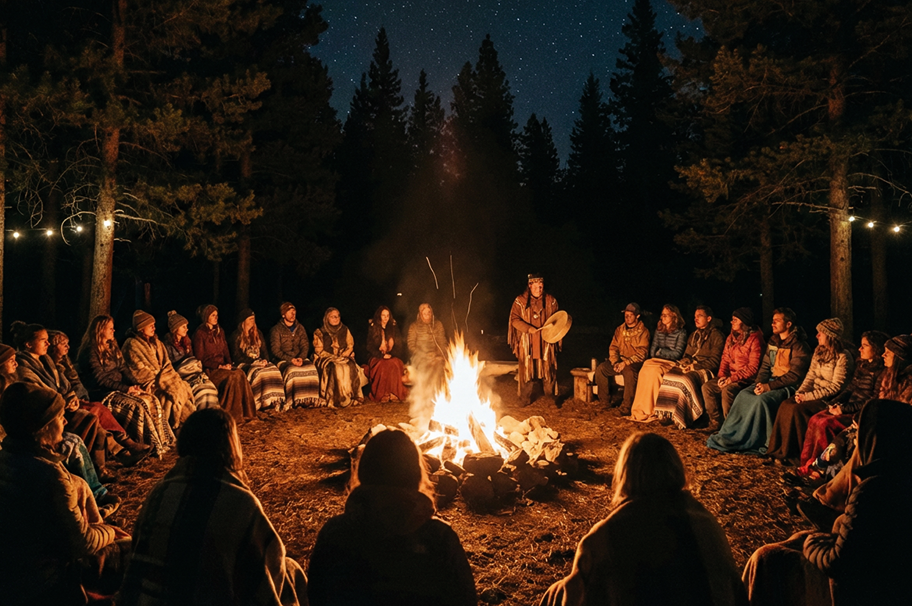
The heart of shamanic work. May include:
- Fire ceremony: Releasing what no longer serves, calling in intentions
- Sweat lodge: Purification through heat, prayer, and community
- Drum journey: Using rhythmic drumming to enter altered states
- Plant medicine ceremony: Guided experiences with sacred plants
- Despacho: Andean offering ceremony to Pachamama (Earth Mother)
Healing Sessions
Individual work with practitioners:
- Soul retrieval
- Energy clearing/extraction
- Divination and guidance
- Ancestral healing
Nature Connection
Shamanism is rooted in relationship with the natural world:
- Solo sits in nature
- Plant communication
- Animal tracking and observation
- Elemental practices (water, fire, earth, air)
Community
Healing happens in relationship:
- Sharing circles
- Group ceremonies
- Mutual support and witnessing
Integration
Making sense of experiences:
- Journaling and reflection
- Integration circles
- Guidance for continuing practice at home
How to Choose a Shamanic Retreat
1. Clarify Your Intentions
| If you seek… | Consider… |
|---|---|
| Learning shamanic techniques | Core shamanism training retreat |
| Deep healing from trauma | Therapeutic shamanic retreat with integration support |
| Plant medicine experience | Ayahuasca or San Pedro retreat with experienced facilitators |
| Cultural immersion | Indigenous tradition retreat |
| Rite of passage | Vision quest or wilderness retreat |
2. Research Facilitator Background
- Training: Where and with whom did they study? For how long?
- Lineage: Do they work within a tradition? With permission?
- Experience: How many years practicing? How many retreats were facilitated?
- Ethics: Clear boundaries, especially around sexuality and power dynamics
3. Assess Safety and Support
- Medical screening for plant medicine retreats
- Trained support staff
- Clear emergency protocols
- Integration resources
- Appropriate group size
4. Consider Cultural Sensitivity
Shamanism exists in a complex landscape of cultural exchange and appropriation. Look for:
- Facilitators who acknowledge their sources
- Respect for indigenous traditions
- Fair compensation to indigenous teachers
- Humility about what they offer
Best Shamanic Retreat Destinations
🇵🇪 Peru
Amazonian and Andean traditions. Ayahuasca, San Pedro, and rich indigenous shamanic heritage.
Best for: Plant medicine, indigenous traditions
Budget: $
🇲🇽 Mexico
Diverse traditions—Mazatec mushroom ceremonies, Huichol peyote traditions, and Toltec practices.
Best for: Varied traditions, North American accessibility
Budget: −$
🇺🇸 USA
Growing shamanic retreat scene, particularly in the Southwest. Core shamanism, vision quests, and some Native American-influenced practices (with varying degrees of authenticity).
Best for: Americans, wilderness retreats, core shamanism training
Budget: −$
🇪🇨 Ecuador
Andean and Amazonian traditions, less touristy than Peru.
Best for: Authentic indigenous experience, quieter setting
Budget: $
🇪🇺 Europe
Neo-shamanic scene in the UK, Germany, Portugal, and Spain. Often blends Celtic, Norse, and core shamanic elements.
Best for: Europeans, non-plant medicine shamanism
Budget: −$

Top Shamanic Retreats by Category
Best for Beginners
→ Introduction to Shamanism Retreat → Core Shamanism Training
Best Plant Medicine Shamanic Retreats
→ Ayahuasca Retreat Peru → San Pedro Ceremony Ecuador
Best Vision Quest/Wilderness
→ Shamanic Pilgrimage in Cusco → Wilderness Shamanic Retreat
Best for Healing Trauma
→ Shamanic Healing Intensive → Soul Retrieval Retreat
Frequently Asked Questions
Do I need to believe in spirits for shamanism to work? Skepticism is fine. Many approach shamanism pragmatically—”I don’t know if spirits are real, but these practices produce real results. “Direct experience often shifts perspectives.
Is shamanism cultural appropriation? It can be. The key is how it’s approached—with respect, acknowledgment of sources, fair exchange with indigenous teachers, and humility. Avoid retreats that claim Native American traditions without tribal affiliation or permission.
Will I take plant medicine? Only if you choose a retreat that includes it. Many shamanic retreats work with drumming, breathwork, and ceremony without any substances.
Is shamanic work safe? Generally yes, with qualified facilitators. Plant medicine retreats carry more risk and require proper screening. Psychological preparation and integration support are important.
How do I know if I’m called to this path? Recurring dreams, fascination with indigenous cultures, feeling drawn to nature, a sense that something is “missing” despite outer success, experiences that don’t fit conventional frameworks—these often indicate a shamanic calling.
Can I practice shamanism at home after a retreat? Yes. Many retreats teach techniques for ongoing personal practice—journeying, altar work, nature connection, and ceremony. Shamanism is ultimately a lived practice, not a retreat-only experience.
Ready to Answer the Call?
Shamanism offers something our modern world desperately needs: connection—to nature, to spirit, to community, and to the depths of our own souls.
A retreat is an initiation into this ancient way of knowing. It won’t give you all the answers, but it may change the questions you’re asking.
Browse our curated shamanic retreats below—each reviewed for authenticity, safety, and transformative potential.
