Shamanic Retreat Sacred Valley Peru: 9-Day Tailor-Made Journey
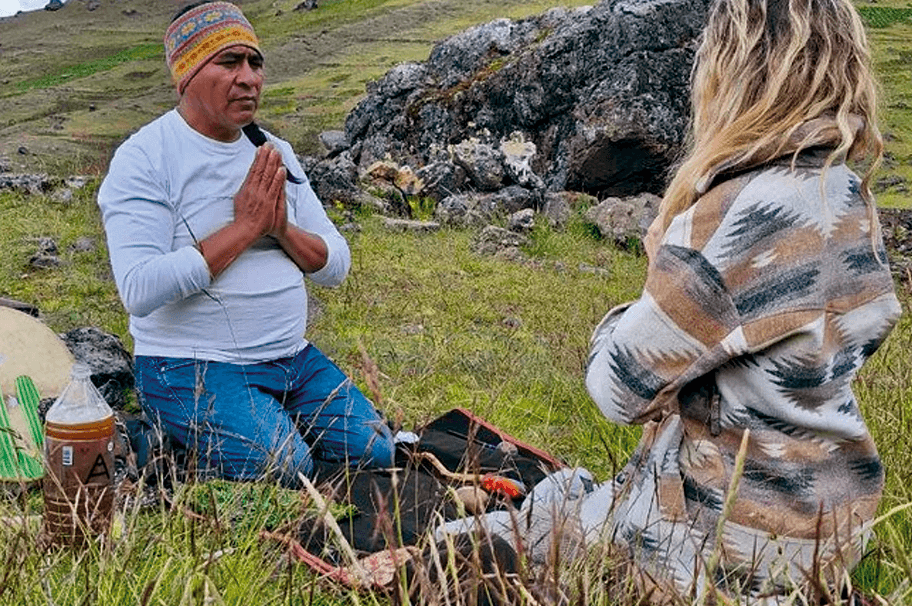
This 9-day tailor-made shamanic and cultural retreat in the Sacred Valley of Peru is designed for travelers who want a guided, intentional healing journey—blending ceremony, yoga, and cultural immersion rather than a one-note “plant medicine trip.” The “tailor-made” structure is the key: it suggests the experience can be shaped around your goals, pace, and readiness.
Table Of Content
- What “tailor-made” can mean in a shamanic retreat
- Ayahuasca and safety: what to confirm before you commit
- Temazcal: why the sweat lodge can be a powerful complement
- Yoga: integration tool, not a side activity
- Cultural immersion: why the Sacred Valley setting matters
- Who this retreat is best for (and who should pause)
- FAQ
- Practical booking notes
Affiliate disclosure: This page contains an affiliate link. If a booking is made through it, a commission may be earned at no extra cost. The review stays honest and practical either way. Read our editorial policy.
At a glance
| Detail | What to expect |
| Location | Sacred Valley, Peru |
| Duration | 9 days |
| Focus | Shamanic healing + culture + integration |
| Includes | Ayahuasca, Temazcal, yoga (per listing) |
| Best for | Intentional inner work with structure and support |
What “tailor-made” can mean in a shamanic retreat
Many ayahuasca retreats run on a fixed template: same schedule, same ceremonies, same pacing for everyone. A tailor-made format usually signals something different.
For example, it can mean – A clearer intake process and goal-setting before ceremonies – Flexibility around rest, excursions, and integration time – A better match between practices (yoga, breathwork, Temazcal) and your nervous system
That matters because depth work isn’t only about what happens in ceremony. It’s also about how well your body can process, recover, and integrate.
Ayahuasca and safety: what to confirm before you commit
Because the listing includes ayahuasca, safety and ethics should be part of your decision—not an afterthought.
Before booking, confirm: – Screening process and contraindications (medications, mental health history, blood pressure) – On-site support during ceremony (facilitator-to-guests ratio) – Emergency protocols and proximity to medical care – Clear guidance on diet/preparation and post-retreat integration
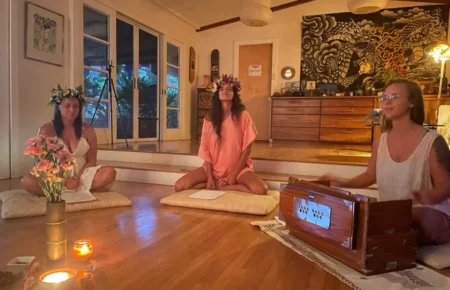
Additionally, ask about the style of facilitation. Some retreats emphasize strict ceremonial tradition; others blend tradition with modern trauma-informed support. The right fit depends on your background and what helps you feel safe.
Temazcal: why the sweat lodge can be a powerful complement
Temazcal is often described as a sweat lodge ceremony. In a retreat context, it can serve as a purification ritual and a nervous-system reset.
However, it’s also physically intense. As a result, it’s worth confirming who should avoid it (heat sensitivity, cardiovascular concerns) and whether participation is optional.
Yoga: integration tool, not a side activity
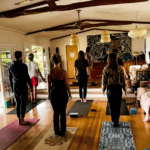
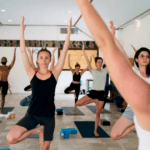
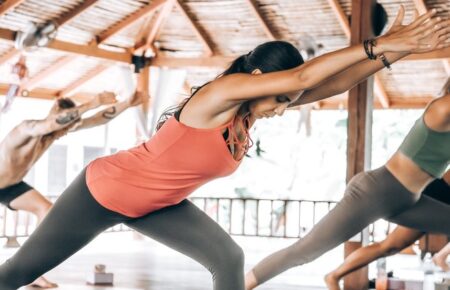
In a shamanic retreat, yoga tends to work best when it’s used as integration—helping you regulate after ceremony, reconnect with the body, and build steadiness.
Typically, expect practices that are – Grounding and breath-led – Mobility-focused rather than performance-based – Designed to support sleep and digestion
Cultural immersion: why the Sacred Valley setting matters
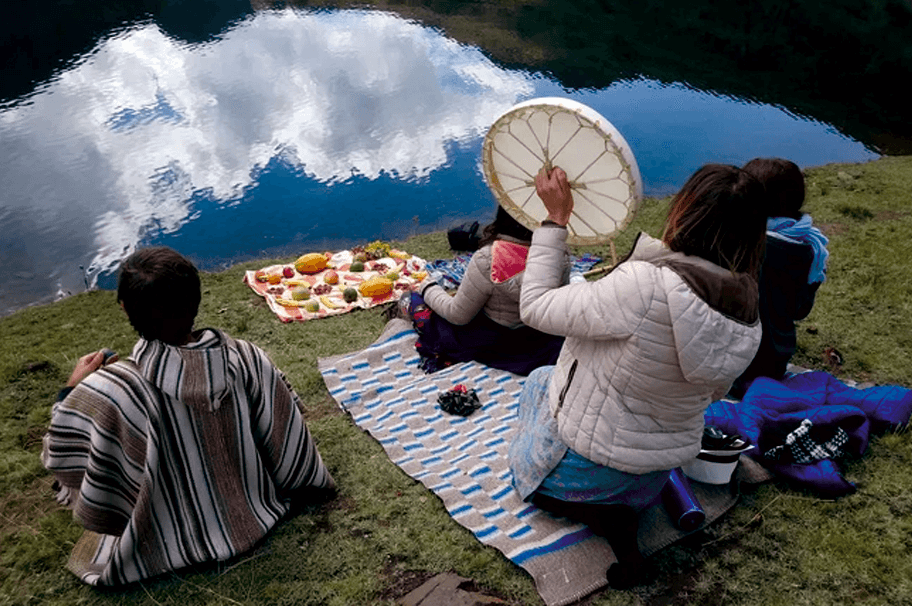
The Sacred Valley isn’t just scenic—it’s layered with history, ritual, and living culture. A retreat that includes cultural elements can deepen the experience by giving your inner work context.
That said, cultural immersion should feel respectful and non-extractive. Before booking, check how the retreat frames cultural activities and whether local communities benefit.
Who this retreat is best for (and who should pause)
Best for: – Travelers who want a structured ayahuasca retreat with integration support – People who value culture, place, and meaning—not only ceremonies – Guests who prefer a slower, more intentional pace over “back-to-back” intensity
Not ideal for: – Anyone seeking a party-like or thrill-seeking plant medicine experience – Travelers who want a large group vibe (tailor-made often implies smaller groups) – Anyone who can’t commit to preparation, dieta, and post-retreat integration
If your main goal is emotional healing and support, you may also want to explore healing retreats.
FAQ
Is this retreat only for experienced ayahuasca participants?
Not necessarily. However, first-timers should prioritize retreats with strong screening, clear preparation guidance, and solid on-site support.
What is Temazcal?
Temazcal is a traditional sweat lodge ceremony often used for purification and renewal. It can be intense due to heat, so confirm suitability.
Do you need to follow a diet?
Many ayahuasca retreats recommend a dieta (dietary and lifestyle preparation). Confirm the exact guidelines with the provider.
Why choose the Sacred Valley for a shamanic retreat?
The Sacred Valley offers powerful natural scenery and cultural depth, which can support reflection and meaning-making during integration.
Is this retreat suitable for solo travelers?
The listing mentions a minimum of 2 people. Check whether solo guests can join an existing group or need to book with a partner.
Practical booking notes
Because the listing notes a minimum of 2 people, confirm: – Whether pricing is per person or per package – Room setup and privacy level – What’s included vs. extra (transfers, excursions, add-on sessions)
Finally, plan for reentry. Ideally, keep 2–3 days after the retreat light. Integration is where the value compounds.