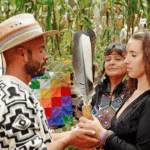
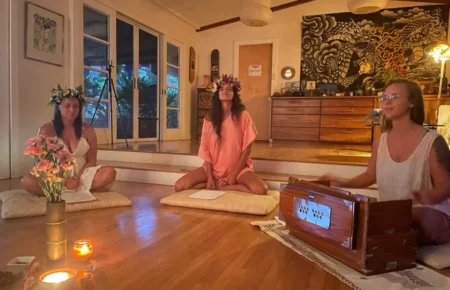
6-Day San Pedro Retreat in Cusco, Peru: Powerful Heart Reset
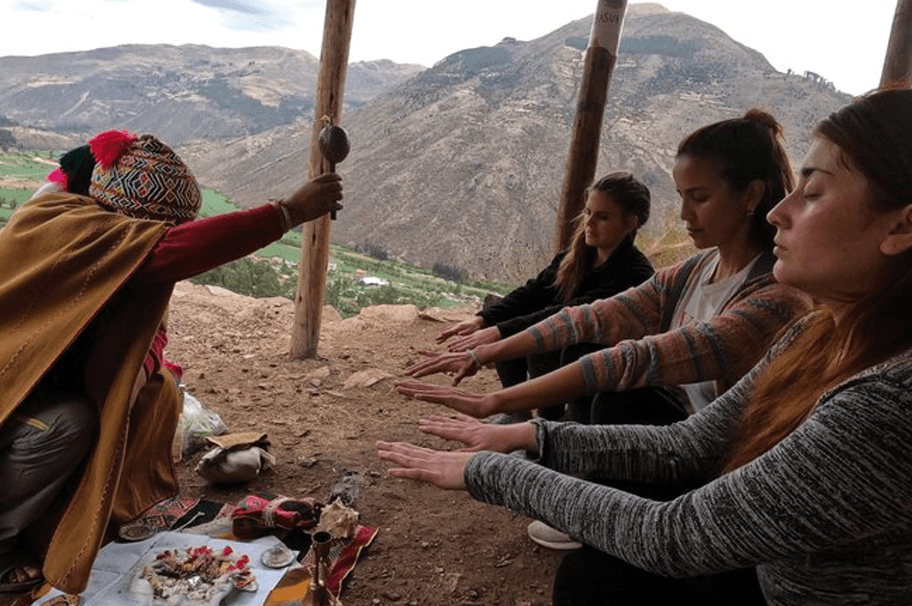
Cusco has a way of making everything feel more honest. The mountains don’t just frame the horizon—they shape breath, pace, and inner weather. In that landscape, this 6-day San Pedro (Huachuma) retreat in Cusco, Peru, is positioned less as a “plant medicine experience” and more as a place-based Andean container: Inca shamanism, sacred Inca portals, and a structured arc designed to support both opening and integration.
Table Of Content
- The setting: Cusco’s sacred landscape and the power of portals
- The medicine: San Pedro (Huachuma) as heart-centered clarity
- Inca shamanism: earth-based spirituality with structure and respect
- The 6-day arc: short, but designed to be complete
- Preparation and practical expectations (including altitude)
- Who this retreat is best for (and who should pause)
- FAQ
- Overall impression
Affiliate disclosure: This page contains an affiliate link. If a booking is made through it, a commission may be earned at no extra cost. The review stays honest and practical either way. Read our editorial policy.
San Pedro is often described as heart-centered medicine—clarity that arrives through warmth rather than force. In the Cusco region, that quality can feel especially grounded: not an escape from reality, but a return to it, with cleaner perception and steadier direction.
The setting: Cusco’s sacred landscape and the power of portals
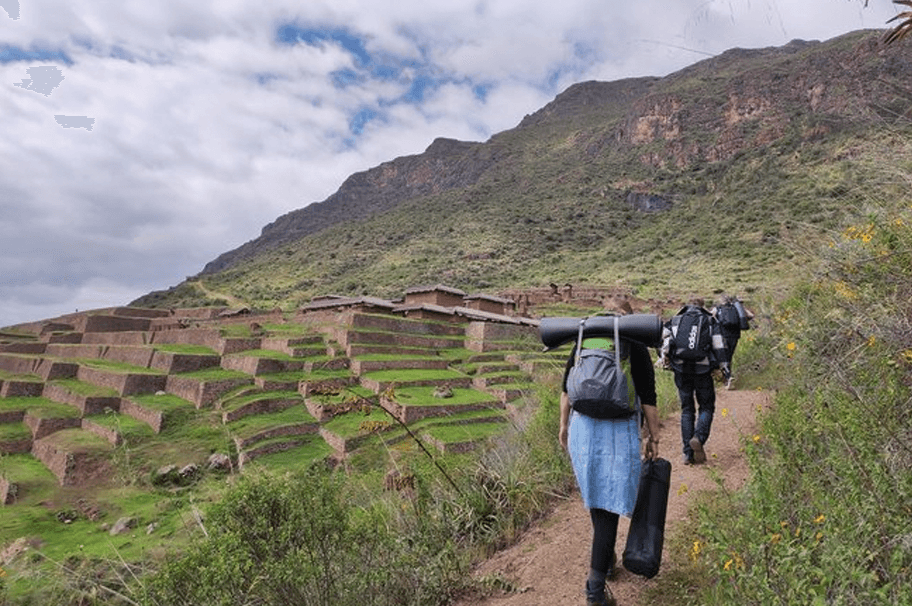
The language of “sacred portals” matters here. In Andean traditions, certain sites are approached as energetic thresholds—places where intention, prayer, and inner work can land with more precision. Whether someone relates to that spiritually or psychologically, the effect is similar: the environment creates focus.
In a shorter retreat format, that focus becomes an advantage. The landscape does part of the work—quieting distraction, amplifying insight, and encouraging sincerity. Expect the setting to feel active, not decorative.
The medicine: San Pedro (Huachuma) as heart-centered clarity
San Pedro can be gentle without being soft. In a well-held container, it’s often experienced as direct: patterns become visible, emotions move with less resistance, and truth feels less like a confrontation and more like a recognition.
Common themes people associate with Huachuma work include:
- Heart opening and emotional honesty
- Clarity around relationships and life direction
- Releasing old loops (self-sabotage, avoidance, fear-based choices)
- A stronger sense of connection—to nature, to purpose, to self-trust
In Andean contexts, the work is frequently paired with teachings about reciprocity and relationship: healing as realignment with life, not self-optimization.
Inca shamanism: earth-based spirituality with structure and respect
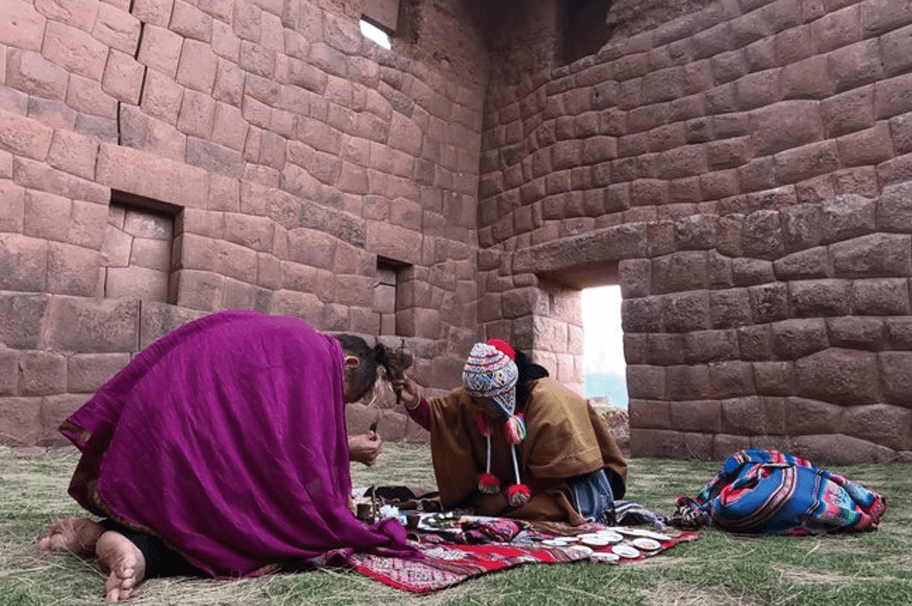
This retreat emphasizes Inca shamanism, which tends to feel grounded and practical in its spirituality. The tone is typically devotional rather than performative—simple, sincere, and rooted. The structure often includes earth-based ritual elements and a respect-forward approach to sacred places and lineage.
That matters for travelers who want depth without theatrics: a container that feels intentional, culturally aware, and designed to hold real process.
The 6-day arc: short, but designed to be complete
Six days can be surprisingly complete when the arc is clear—especially when sacred sites are part of the process.
Days 1–2: Landing + orientation
Cusco’s altitude alone can create an immediate reset. Early days are usually about acclimatizing, grounding, and preparing—simplifying inputs so the body and mind can settle. Many people notice vivid dreams, emotional sensitivity, and a natural pull toward quiet.
Days 3–4: Ceremony + deep insight
Mid-retreat is typically where the medicine work peaks. San Pedro tends to reveal patterns with clarity—grief, purpose, relational dynamics, and the places life has gone slightly off-course. In sacred-site settings, insights can feel amplified, as if the landscape mirrors the inner process back with precision.
Days 5–6: Integration and direction
The final phase is where the retreat becomes usable. Instead of leaving with insights that fade, the strongest containers translate realization into direction: what needs to change, what needs protection, what can be released, and what daily practices will keep the heart clear.
Preparation and practical expectations (including altitude)
Plant medicine work is shaped by preparation. Retreats like this commonly encourage a simplified approach beforehand—lighter food, fewer stimulants, and a quieter mental field.
Cusco’s altitude is also part of the experience. Plan for slower pacing at first, extra hydration, and more rest than usual. Arriving with humility helps too—especially when sacred sites are involved. The most rewarding experiences tend to come when participants let the tradition teach, rather than trying to control outcomes.
Safety and legality
Plant-medicine laws and health considerations vary by country and individual. Always check local regulations and consult a qualified medical professional if you have health conditions, take medications, or have mental health concerns.
Who this retreat is best for (and who should pause)
This Cusco San Pedro retreat is best suited for travelers who want heart-centered plant medicine work in a structured Andean container—people who value sacred place, cultural respect, and integration as much as ceremony.
It can be especially supportive for those at a crossroads: seeking direction, healing relational patterns, or rebuilding self-trust after a period of disconnection.
It may not be a fit for anyone looking for a casual, tourism-forward “experience” or for those who aren’t willing to prepare, slow down, and meet the work with sincerity.
FAQ
What is San Pedro (Huachuma)?
San Pedro—often called Huachuma—is a cactus used in Andean ceremonial contexts and commonly associated with heart-centered clarity and connection.
Is Cusco’s altitude something to worry about?
Altitude affects people differently. Many travelers benefit from arriving early, hydrating, resting more, and keeping the first days gentle.
How should someone prepare for a San Pedro retreat?
Preparation usually means simplifying: lighter meals, fewer stimulants, more sleep, and clear intentions. Follow the retreat’s guidance closely.
Is this retreat more ceremony-focused or integration-focused?
It’s designed as an arc: preparation and orientation, a peak ceremony window, then integration and practical direction—so insights translate into real life.
Overall impression
This retreat reads as a guided return to alignment: sacred Inca portals that sharpen presence, Inca shamanic teachings that ground the process, and San Pedro medicine that opens the heart without losing the mind. Six days is enough to create a real shift—especially in Cusco, where the mountains seem to insist on truth.