What is Panchakarma? The Complete Guide to Ayurveda’s Deep Detox
Article
This article contains affiliate links. If you book through our links, we may earn a commission at no extra cost to you
Table Of Content
If you’ve explored Ayurveda or researched detox retreats, you’ve likely encountered the term “Panchakarma.” But what is Panchakarma exactly? And why do practitioners consider it the most powerful cleansing system in traditional medicine?
Panchakarma is a comprehensive detoxification and rejuvenation program rooted in Ayurvedic medicine. The name comes from Sanskrit: “pancha” (five) and “karma” (actions). These five therapeutic procedures work systematically to eliminate deep-seated toxins—called “ama”—from the body’s tissues.
Unlike modern juice cleanses or weekend detoxes, Panchakarma addresses toxins at a cellular level, requiring time, expertise, and commitment.
The Five Actions of Panchakarma
Traditional Panchakarma includes five primary procedures. Not everyone receives all five—your Ayurvedic doctor determines which treatments suit your constitution and imbalances.
1. Vamana (Therapeutic Vomiting)
Eliminates excess Kapha (mucus, congestion) from the respiratory and digestive systems. Used for conditions like asthma, allergies, and chronic colds.
2. Virechana (Purgation)
A controlled cleansing of the small intestine using herbal laxatives. Targets excess Pitta (heat, inflammation) and benefits skin conditions, liver issues, and digestive problems.
3. Basti (Medicated Enema)
Considered the most powerful of the five, Basti cleanses the colon using herbal decoctions and oils. Addresses Vata imbalances—joint pain, constipation, neurological issues.
4. Nasya (Nasal Administration)
Herbal oils or powders are administered through the nose to clear the sinuses and head region. Helps with migraines, sinus issues, and mental clarity.
5. Raktamokshana (Blood Purification
The least common procedure, traditionally involving bloodletting. Modern adaptations use herbs and dietary changes to purify the blood.
The Three Phases of Panchakarma
Purva Karma (Preparation)
Before the main treatments begin, the body must be prepared. This phase includes:
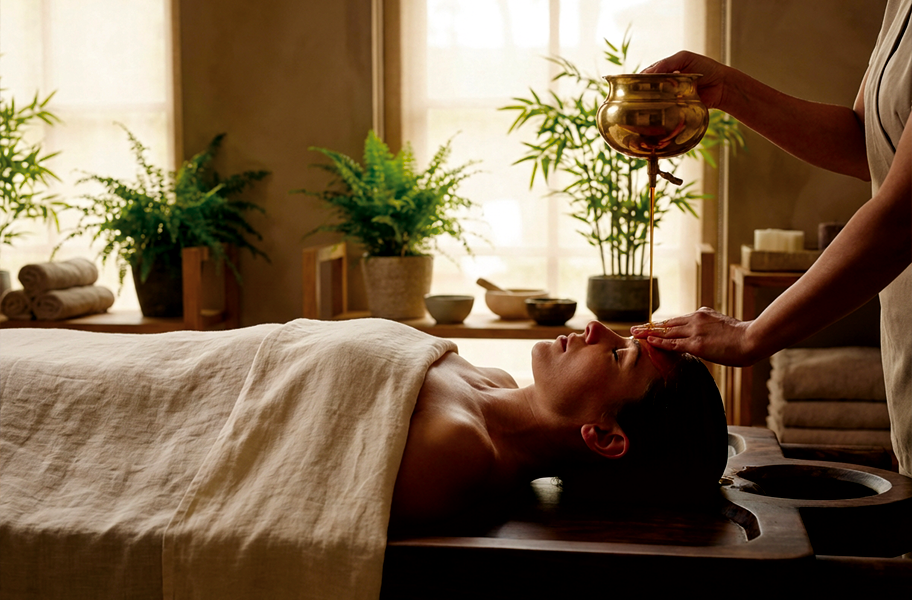
- Snehana (Oleation): Internal and external oil application to loosen toxins
- Swedana (Sweating): Herbal steam treatments to open channels and mobilize ama
This preparation phase typically lasts 3-7 days.
Pradhana Karma (Main Treatment)
The primary cleansing procedures are administered based on your individual assessment. This is the core of Panchakarma.
Paschat Karma (Post-Treatment)
Equally important as the cleanse itself. This phase involves:
- Gradual reintroduction of foods
- Herbal supplements to rebuild strength
- Lifestyle recommendations for lasting results
Skipping this phase undermines the entire process.
What Does Panchakarma Treat?
Ayurveda views Panchakarma as both preventive medicine and therapeutic treatment. Common reasons people seek Panchakarma include:
- Chronic fatigue and burnout
- Digestive disorders (IBS, bloating, constipation)
- Skin conditions (eczema, psoriasis, acne)
- Joint pain and arthritis
- Stress, anxiety, and sleep issues
- Hormonal imbalances
- Seasonal allergies and respiratory issues
- General detoxification and rejuvenation
Even without specific health complaints, Ayurveda recommends Panchakarma seasonally—particularly at the junction between seasons—to maintain optimal health.
How Long Does Panchakarma Take?
Authentic Panchakarma requires time. Typical programs range from
- 7 days: Introduction or maintenance cleanse
- 14 days: Standard therapeutic program
- 21-28 days: Deep cleansing for chronic conditions
Shorter “Panchakarma-inspired” treatments exist, but traditional practitioners emphasize that rushing the process limits results.
What to Expect During Panchakarma
Daily Treatments
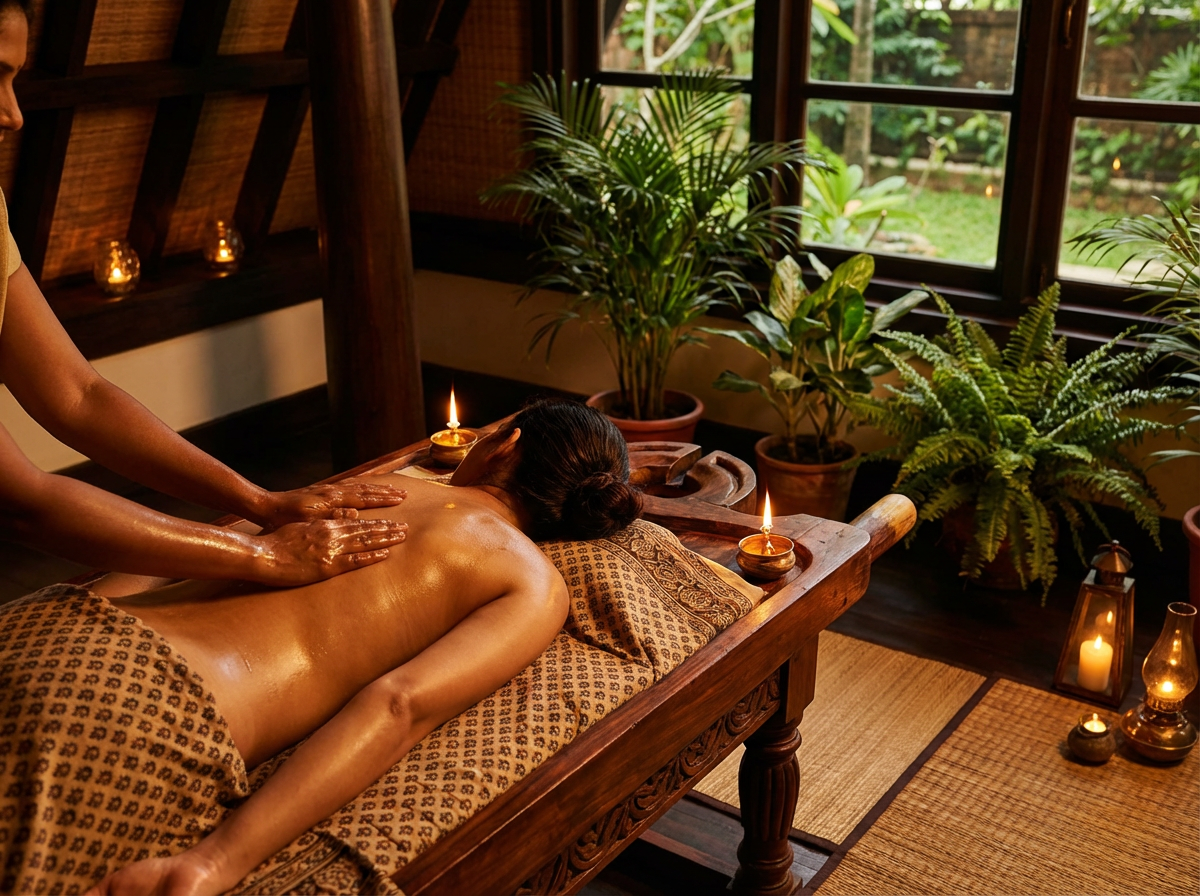
Expect 2-4 hours of treatments daily, including oil massages (Abhyanga), steam therapy, and your prescribed procedures. The rest of the day is for rest—this isn’t a vacation with optional spa add-ons.
Diet
Meals are simple and specific: primarily kitchari (rice and mung bean stew), steamed vegetables, and herbal teas. No caffeine, alcohol, sugar, or heavy foods.
Detox Symptoms
As toxins are released, you may experience fatigue, headaches, emotional releases, or temporary skin breakouts. These typically pass within days.
Rest
Panchakarma demands rest. Physical exertion, excessive talking, and mental stimulation are discouraged. Many retreats enforce digital detox.
Is Panchakarma Safe?
When administered by qualified Ayurvedic practitioners, Panchakarma is safe for most people. However, it’s not recommended for:
- Pregnant or breastfeeding women
- Those with severe weakness or debility
- Children under 12
- Certain acute medical conditions
Always disclose your full health history before beginning treatment.
Where to Experience Panchakarma
India remains the gold standard—particularly Kerala (Ayurveda’s birthplace) and Rishikesh. Sri Lanka also offers authentic programs. Western countries have Ayurvedic centers, though depth and authenticity vary.
Frequently Asked Questions
How is Panchakarma different from a regular detox? Panchakarma works at a deeper level, targeting toxins stored in tissues rather than just the digestive tract. It’s personalized to your constitution and supervised by practitioners.
Will I lose weight during Panchakarma? Some weight loss is common, but it’s not the primary goal. The focus is on removing toxins and restoring balance, not calorie restriction.
Can I do Panchakarma at home? Simplified home practices exist, but authentic Panchakarma requires professional supervision. The main procedures should never be self-administered.
How often should I do Panchakarma? Traditionally, once or twice yearly—ideally at seasonal transitions (spring and fall). Those with chronic conditions may benefit from more frequent treatments initially.
The Bottom Line
Panchakarma isn’t a quick fix or wellness trend—it’s a sophisticated medical system refined over 5,000 years. For those willing to invest the time and commit to the process, it offers a depth of cleansing that modern detoxes simply can’t match.
If you’re feeling depleted, toxic, or simply ready for a reset, Panchakarma might be exactly what your body has been asking for.
Find Your Panchakarma Retreat → — BOOK NOW!