Chakra Yoga Retreat Himalayas: 5-Day Healing and Balance
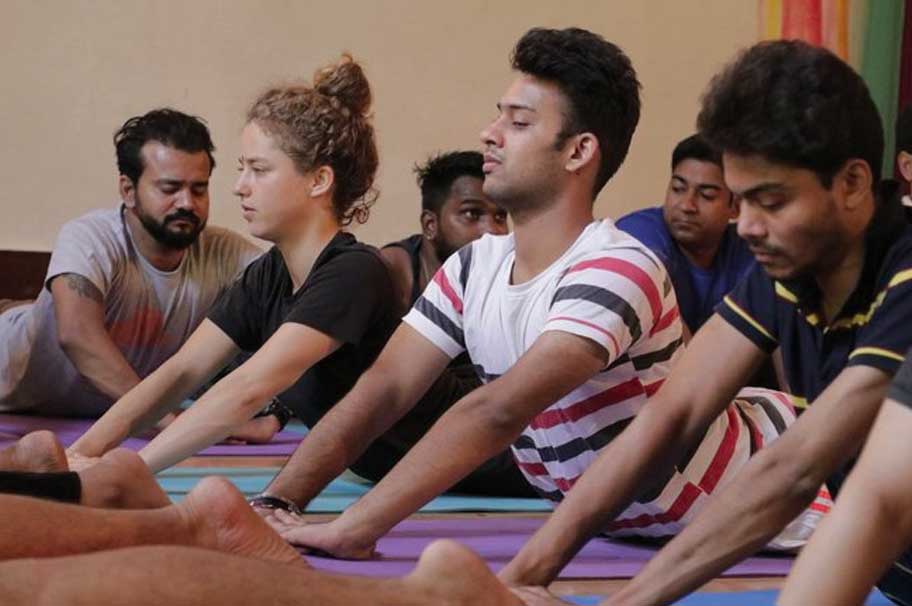
A 5-day chakra yoga retreat in the Himalayas. Healing and balancing yoga meditation in India has a very different feel than a beach-based chakra week. The mountains naturally slow everything down. Breath deepens, appetite changes, and the mind becomes quieter without trying too hard. That alone makes Dharamshala-style settings powerful for chakra work, because the retreat isn’t competing with constant stimulation.
Table Of Content
Affiliate disclosure: This page contains an affiliate link. If a booking is made through it, a commission may be earned at no extra cost. The review stays honest and practical either way. Read our editorial policy.
At a glance
| Detail | What to expect |
| Location | Himalayas (near Dharamshala), India |
| Duration | 5 days |
| Focus | Chakra awareness, healing, balancing yoga + meditation |
| Vibe | Quiet, reflective, mountain-grounded |
| Best for | Nervous-system reset, emotional clarity, spiritual reconnection |
Chakra awareness: what “balancing” looks like in real life
Chakra language can sound abstract online, but the experience is usually very practical. “Balancing” often means noticing where energy is stuck (tension, avoidance, overthinking) and where it leaks (overgiving, scattered focus, poor boundaries).
In a 5-day retreat, chakra awareness commonly shows up as: – Yoga sequences that target specific areas (hips, heart, throat, spine) – Meditation prompts around safety, self-worth, truth, and intuition – Breathwork or chanting elements (if included) – Reflection exercises that connect body sensations to emotions
Even for guests who don’t resonate with the spiritual framing, the structure still works as a map for attention.

Yoga: healing-focused, not performance-driven
In a healing chakra retreat, yoga tends to be slower and more intentional. The goal is to regulate the nervous system and create space for meditation to land.
Expect yoga that emphasizes: – Grounding standing work and hip mobility – Longer holds and mindful transitions – Gentle backbends and heart-opening without forcing range – Restorative elements for sleep and recovery
If you’re looking for athletic training or advanced flows, this may feel too soft. The trade-off is that “soft” often equals sustainable—and that’s what makes the week integrate.
Meditation: the part that changes the baseline
Meditation in the mountains can feel different. The quiet is real, and it supports consistency.
Many guests notice the following: – A busy mind in the first 1–2 days – A steadier emotional baseline by mid-retreat – Better sleep when evenings are kept simple
If deeper emotional processing is your main goal, compare with healing retreats.
The Himalayas effect: why the setting matters
The Himalayas bring a natural “reset” quality. Cooler air, altitude shifts, and a slower rhythm encourage early nights and simpler meals. That can amplify the benefits of yoga and meditation.
Practical note: some people feel a mild adjustment period (sleep changes, hydration needs, lower appetite). It’s normal—just plan for extra water and a gentle first day.

Who this retreat is best for (and who should skip)
Best for: – People who want chakra work in a quiet, grounded setting – Guests seeking stress relief, emotional clarity, and spiritual reconnection – Travelers who like a structured theme without a bootcamp vibe – Anyone who wants yoga and meditation with a healing emphasis
Not ideal for: – People who want nightlife, excursions, or a highly social trip – Guests who dislike reflective prompts or spiritual language – Travelers who need a luxury spa environment
If your main goal is cleansing rather than chakra balancing, compare with detox retreats.
FAQ
Do you need chakra knowledge to join?
No. The retreat typically guides the theme in a beginner-friendly way. Chakras can be used as a reflection framework rather than a belief.
Is this retreat suitable for yoga beginners?
Usually yes. Healing-focused retreats tend to keep yoga accessible, but confirm style and intensity on the listing.
Will the Himalayas’ altitude affect you?
Some guests notice a short adjustment (sleep or hydration changes). Drink more water, rest early, and keep the first day gentle.
What should you pack?
Layers for cooler mornings/evenings, comfortable walking shoes, a warm top, and a journal for reflection.
How do you keep the benefits after the retreat?
Keep one anchor habit for 14 days: 10 minutes of meditation daily, plus a short grounding yoga flow 3 times per week.
Practical booking notes
Before you lock it in, confirm: – Daily schedule (how many yoga and meditation sessions) – Whether chanting/breathwork is included (and your comfort level) – Room type and privacy level – What’s included vs. extra (transfers, add-ons) – Any guidance for altitude or weather (layers, footwear)
If you’re comparing retreat formats closer to home, start here: USA retreats.