The Ayahuasca Diet: Complete Guide to What to Eat Before and After Ceremony
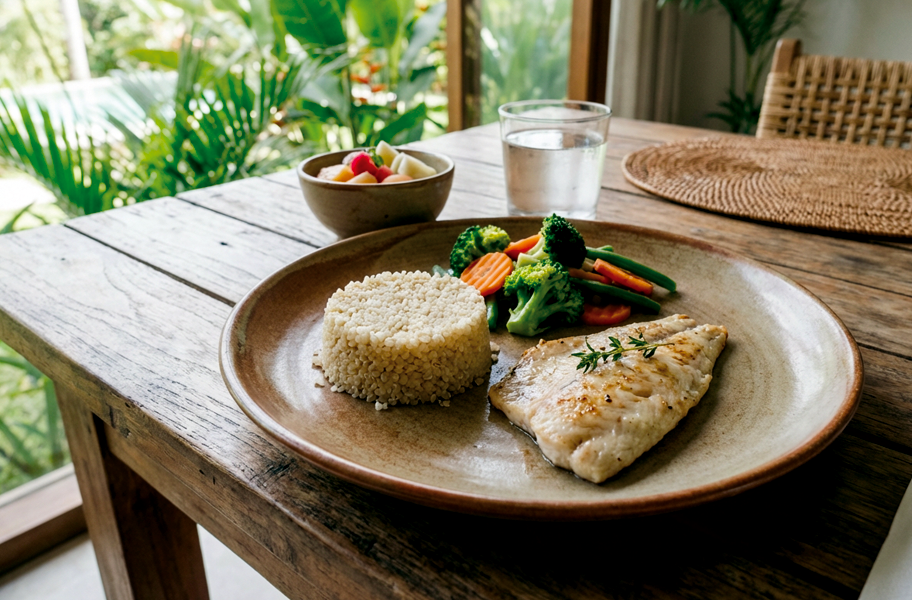
Affiliate Disclosure
We partner with retreat centers and booking platforms. When you book through our links, we may earn a commission at no extra cost to you. This supports our work and allows us to keep providing honest, in-depth reviews. Read our editorial policy
Table Of Content
- Affiliate Disclosure
- Introduction
- Why the Ayahuasca Diet Matters
- The Timeline: When to Start
- Foods to Avoid: The Complete List
- Foods to Eat: Your Dieta Menu
- Sample Meal Plans
- The Day of Ceremony
- After Ceremony: The Post-Dieta
- Common Questions About the Ayahuasca Diet
- The Deeper Purpose of the Diet
- Quick Reference: Ayahuasca Diet Cheat Sheet
- FAQ
- Final Thoughts
Introduction
You’ve booked your ayahuasca retreat. You’ve read about the ceremony, the visions, the purging. But there’s another essential element that many people underestimate: the ayahuasca diet.
Known traditionally as “la dieta,” the ayahuasca diet isn’t just a suggestion—it’s a crucial part of your preparation. Some restrictions exist for medical safety (certain foods can cause dangerous reactions with ayahuasca). Others serve energetic and spiritual purposes, clearing your system to receive the medicine more fully.
Ignoring the diet doesn’t just diminish your experience. In some cases, it can be genuinely dangerous.
This guide covers everything you need to know: the science behind the restrictions, exactly what to eat and avoid, detailed meal plans, how long to follow the diet, and how to eat after ceremony for optimal integration. Whether your retreat starts in four weeks or four days, this guide will help you prepare your body properly.
The diet is where your ceremony begins. Let’s get it right.
Why the Ayahuasca Diet Matters
The dieta serves multiple purposes—some medical, some energetic, some traditional. Understanding why helps you follow it with intention rather than just compliance.
Medical Safety: The MAOI Factor
This is the most critical reason for dietary restrictions.
Ayahuasca contains MAOIs (monoamine oxidase inhibitors) from the Banisteriopsis caapi vine. MAOIs inhibit the enzyme that normally breaks down tyramine—an amino acid found in many foods.
When you consume high-tyramine foods while MAOIs are active in your system, tyramine accumulates. This can cause:
- Hypertensive crisis: Dangerous spike in blood pressure
- Severe headaches
- Rapid heartbeat
- Nausea and vomiting
- In extreme cases: Stroke or cardiac emergency
This isn’t theoretical. It’s pharmacology. The tyramine restrictions exist because they prevent medical emergencies.
Energetic Cleansing
Traditional perspectives view the dieta as energetic preparation. Certain foods carry “heavy” energies that cloud your system and interfere with the medicine’s work.
From this view, the diet:
- Clears energetic blockages
- Lightens your vibration
- Creates space for the medicine to work
- Demonstrates respect and commitment
- Begins the healing process before ceremony
Whether you frame this spiritually or psychologically, participants consistently report that following the diet leads to clearer, deeper experiences.
Physical Comfort
A clean diet before ceremony typically means:
- Less intense nausea
- Easier purging (if it happens)
- More physical comfort during the journey
- Faster recovery afterward
Your body has less to process, leaving more energy for the inner work.
Respect for Tradition
Indigenous peoples have followed dietary restrictions with ayahuasca for thousands of years. Following the dieta honors this tradition and the wisdom it contains—even the parts we don’t fully understand scientifically.
The Timeline: When to Start
Different retreat centers have different requirements. Always follow your specific retreat’s guidelines. Here’s a general framework:
Standard Timeline
| Timeframe | Restrictions |
|---|---|
| 4+ weeks before | Stop recreational drugs, begin reducing alcohol |
| 2–3 weeks before | Full dieta begins: no alcohol, no tyramine-rich foods, clean eating |
| 1 week before | Stricter adherence, lighter meals, more vegetables and fruits |
| 3 days before | Very clean eating, smaller portions, increased hydration |
| Day of ceremony | Light breakfast (if any), no lunch, fasting from afternoon |
Minimum Timeline
If you have less time, prioritize:
- 1 week minimum: Strict tyramine avoidance (safety-critical)
- 3 days minimum: Very clean eating, no alcohol
- Day of: Fasting from afternoon
Note: Shorter preparation may be adequate for safety but won’t provide the full benefits of a longer dieta.
Extended Dieta
Some traditions and retreat centers recommend longer dietas:
- Master plant dietas: 2–4 weeks of strict restrictions
- Deep healing work: Extended clean eating for maximum receptivity
- Traditional apprenticeships: Months of dietary discipline
Follow your retreat’s specific recommendations.
Foods to Avoid: The Complete List
Strictly Avoid (Safety-Critical)
These foods contain tyramine or other compounds that interact dangerously with MAOIs:
Fermented Foods
| Food | Why Avoid |
|---|---|
| Aged cheese | High tyramine content |
| Blue cheese, brie, camembert | Very high tyramine |
| Soy sauce | Fermented, high tyramine |
| Miso | Fermented soy |
| Tempeh | Fermented soy |
| Sauerkraut | Fermented cabbage |
| Kimchi | Fermented vegetables |
| Kombucha | Fermented tea |
| Kefir | Fermented dairy |
| Fish sauce | Fermented |
| Shrimp paste | Fermented |
Cured, Aged, and Processed Meats
| Food | Why Avoid |
|---|---|
| Salami, pepperoni | Cured, high tyramine |
| Bacon | Cured/smoked |
| Ham | Often cured |
| Hot dogs, sausages | Processed |
| Smoked fish | Smoking increases tyramine |
| Beef jerky | Dried/aged |
| Pâté | Aged liver |
| Any aged or dried meat | Tyramine accumulates with aging |
Alcohol
| Type | Why Avoid |
|---|---|
| Beer | Fermented, contains tyramine |
| Wine (especially red) | Fermented, tyramine content |
| Spirits | Alcohol interacts with MAOIs |
| All alcoholic beverages | No exceptions |
Other High-Tyramine Foods
| Food | Why Avoid |
|---|---|
| Overripe bananas | Tyramine increases as fruit ripens |
| Overripe avocados | Same as above |
| Dried fruits | Concentrated tyramine |
| Broad beans (fava) | Contains tyramine |
| Pickled foods | Fermentation process |
| Yeast extracts (Marmite, Vegemite) | Very high tyramine |
| Sourdough bread | Fermented |
Strongly Avoid (Traditional/Energetic)
These aren’t as dangerous as tyramine foods but are traditionally restricted:
Pork
- All pork products
- Traditionally considered “heavy” energy
- Many retreat centers strictly prohibit
Red Meat
- Beef, lamb, game
- Considered energetically heavy
- Some centers allow limited amounts; others prohibit entirely
Spicy Foods
- Hot peppers, chili
- Heavy spices
- Can irritate the digestive system
- Traditionally avoided
Excess Salt
- Heavily salted foods
- Chips, pretzels, salted nuts
- Processed foods high in sodium
Excess Sugar
- Refined sugar, candy, sweets
- Sugary drinks
- Desserts and pastries
Caffeine
- Coffee (most centers prohibit)
- Energy drinks
- Strong black tea
- Some centers allow mild green tea
Dairy
- Some centers restrict all dairy
- Others allow limited amounts
- Heavy dairy (cream, ice cream) generally avoided
Processed Foods
- Anything with artificial additives
- Preservatives
- Artificial colors or flavors
- Fast food
- Packaged/processed meals
Sexual Activity
Most traditions recommend abstaining from sexual activity (including masturbation) for 1–2 weeks before and after ceremony. This is believed to:
- Preserve vital energy
- Maintain focus and intention
- Honor the sacred nature of the work
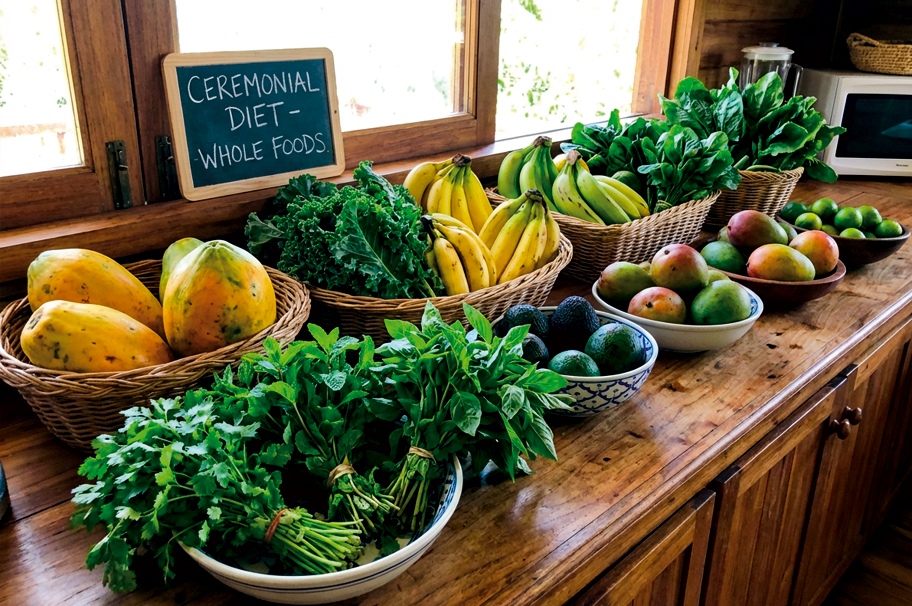
Foods to Eat: Your Dieta Menu
Now for the good news: plenty of delicious, nourishing foods are perfectly compatible with the ayahuasca diet.
Proteins
| Food | Notes |
|---|---|
| Chicken | Fresh, simply prepared (grilled, baked, steamed) |
| Fish | Fresh (not smoked or cured), white fish ideal |
| Eggs | Fresh, simply cooked |
| Legumes | Lentils, chickpeas, black beans (well-cooked) |
| Tofu | Fresh (not fermented like tempeh) |
Grains
| Food | Notes |
|---|---|
| Rice | White or brown, plain |
| Quinoa | Excellent complete protein |
| Oats | Plain oatmeal (not instant with additives) |
| Millet | Light and digestible |
| Buckwheat | Despite the name, gluten-free |
| Whole grain bread | Fresh, not sourdough |
Vegetables
| Food | Notes |
|---|---|
| Leafy greens | Spinach, kale, lettuce, chard |
| Broccoli, cauliflower | Steamed or roasted |
| Carrots | Raw or cooked |
| Zucchini, squash | Versatile and gentle |
| Cucumber | Hydrating and light |
| Green beans | Fresh, simply prepared |
| Sweet potatoes | Nourishing and grounding |
| Beets | Fresh (not pickled) |
| Peppers (mild) | Bell peppers fine; avoid hot peppers |
Fruits
| Food | Notes |
|---|---|
| Apples | Fresh, not overripe |
| Berries | Blueberries, strawberries, raspberries |
| Papaya | Excellent for digestion |
| Melon | Watermelon, cantaloupe, honeydew |
| Pears | Gentle and digestible |
| Grapes | Fresh |
| Citrus | Oranges, mandarins (some centers limit) |
| Bananas | Fresh, not overripe (no brown spots) |
Nuts and Seeds
| Food | Notes |
|---|---|
| Almonds | Raw or lightly roasted, unsalted |
| Cashews | Raw, unsalted |
| Sunflower seeds | Raw, unsalted |
| Pumpkin seeds | Raw, unsalted |
| Chia seeds | Great for nutrition |
| Flax seeds | Ground for absorption |
Beverages
| Beverage | Notes |
|---|---|
| Water | Primary beverage, drink plenty |
| Herbal teas | Chamomile, peppermint, ginger (caffeine-free) |
| Coconut water | Hydrating and nourishing |
| Fresh fruit juice | Homemade, no added sugar |
| Mild green tea | Some centers allow; check guidelines |
Cooking Methods
- Steaming: Preserves nutrients, gentle
- Grilling: Simple, no heavy sauces
- Baking/roasting: With minimal oil
- Sautéing: Light oil, simple seasonings
- Raw: Salads, fresh fruits
Seasonings (Use Sparingly)
- Fresh herbs (basil, cilantro, parsley, dill)
- Mild spices (turmeric, cumin—not hot spices)
- Fresh ginger
- Fresh garlic (some centers limit)
- Lemon/lime juice
- Small amounts of olive oil
- Light salt (minimal)
Sample Meal Plans
Two Weeks Before: Transition Phase
Day 1–7: Gradual Shift
Breakfast:
- Oatmeal with fresh berries and a drizzle of honey
- Herbal tea
Lunch:
- Grilled chicken breast
- Quinoa
- Steamed broccoli and carrots
- Water
Dinner:
- Baked fish with lemon and herbs
- Brown rice
- Mixed green salad with olive oil dressing
- Herbal tea
Snacks:
- Fresh fruit
- Handful of raw almonds
- Rice cakes
One Week Before: Clean Eating
Day 8–14: Stricter Adherence
Breakfast:
- Fresh fruit bowl (papaya, berries, melon)
- Plain oatmeal with banana (not overripe)
- Chamomile tea
Lunch:
- Grilled chicken or fish
- Steamed vegetables (zucchini, green beans, carrots)
- White rice
- Water with lemon
Dinner:
- Vegetable soup (homemade, no bouillon cubes)
- Baked sweet potato
- Simple green salad
- Herbal tea
Snacks:
- Sliced cucumber
- Fresh apple
- Small handful of unsalted cashews
Three Days Before: Light and Simple
Day 15–17: Final Preparation
Breakfast:
- Light fruit (melon, papaya)
- Small portion of plain oatmeal
- Ginger tea
Lunch:
- Small portion of steamed fish
- Steamed vegetables
- Plain rice
- Water
Dinner:
- Vegetable broth with soft vegetables
- Small portion of quinoa
- Herbal tea
Snacks:
- Fresh fruit only
- Plenty of water
Day of Ceremony: Fasting
Ceremony Day:
Morning (if eating):
- Very light: fresh fruit only
- Or: skip breakfast entirely
- Plenty of water
Afternoon:
- No food from early afternoon onward
- Continue drinking water (stop 1–2 hours before ceremony)
- Rest and prepare mentally
Evening:
- Ceremony begins on empty stomach
The Day of Ceremony
What you eat (or don’t eat) on ceremony day significantly affects your experience.
Why Fast Before Ceremony
- Reduces nausea: Less in your stomach means less to purge
- Enhances absorption: Medicine works more effectively
- Clears the body: Physical emptiness supports energetic openness
- Traditional practice: Fasting is part of the ceremonial protocol
Fasting Guidelines
| Timeframe | Guideline |
|---|---|
| Morning | Light fruit only, or skip breakfast |
| Midday | No lunch, or very light broth if needed |
| Afternoon | Complete fast from 2–4 PM onward |
| Water | Continue hydrating; stop 1–2 hours before ceremony |
| Ceremony | Empty stomach |
If You Must Eat
Some people (diabetics, those with blood sugar issues) may need to eat something. If so:
- Keep it very light
- Plain rice, simple fruit
- Eat early (before noon)
- Inform your facilitators
Hydration
- Drink water throughout the day
- Stop drinking 1–2 hours before ceremony (to avoid needing the bathroom)
- You can drink water during ceremony if offered
After Ceremony: The Post-Dieta
What you eat after ceremony matters too. Your system is open and sensitive. Treat it gently.
Immediately After Ceremony (Night/Early Morning)
Most retreat centers offer a light snack after ceremony closes:
- Fresh fruit
- Crackers or plain bread
- Light tea
- Water
Eat only if hungry. Many people aren’t ready for food immediately.
The Morning After
Your first real meal after ceremony should be:
- Light: Don’t overwhelm your system
- Nourishing: Your body needs gentle replenishment
- Simple: Easy to digest
Good choices:
- Fresh fruit
- Plain oatmeal or porridge
- Light vegetable soup
- Plain rice with steamed vegetables
- Eggs (simply prepared)
- Herbal tea
Avoid:
- Heavy foods
- Greasy or fried foods
- Processed foods
- Caffeine (ease back in slowly)
- Large portions
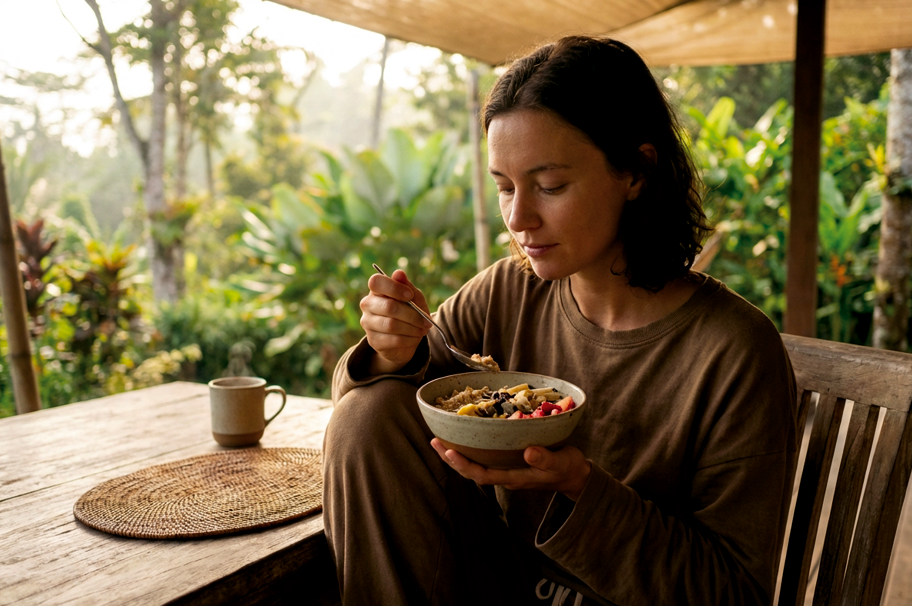
Days 1–3 After Ceremony
Continue eating clean and simple:
- Fresh fruits and vegetables
- Light proteins (fish, chicken, eggs)
- Whole grains
- Plenty of water
- Herbal teas
Still avoid:
- Alcohol (wait at least 3–7 days, ideally longer)
- Pork and red meat
- Heavily processed foods
- Excessive caffeine
- Spicy foods
One Week After: Gradual Reintroduction
After about a week, you can begin reintroducing foods:
Week 1:
- Continue clean eating
- Reintroduce mild caffeine if desired (green tea first)
- Still avoid alcohol, pork, fermented foods
Week 2:
- Gradually return to normal diet
- Reintroduce foods one at a time
- Notice how different foods affect you
- Consider keeping some restrictions permanently
Alcohol:
- Wait minimum 1 week, ideally 2+ weeks
- Many people find their relationship with alcohol changes
- Reintroduce slowly and mindfully
Why Continue the Diet After?
- Integration: Your system remains open and sensitive
- Respect: Honors the work you’ve done
- Clarity: Clean eating supports mental clarity for integration
- Noticing: You may discover sensitivities or preferences
- Transformation: Many people permanently change their diet after ayahuasca
Common Questions About the Ayahuasca Diet
“What if I accidentally eat something I shouldn’t?”
Don’t panic. A single slip isn’t catastrophic.
If it’s a tyramine-rich food close to ceremony:
- Inform your facilitators immediately
- They may recommend delaying your ceremony
- Be honest—your safety depends on it
If it’s a “traditional” restriction (not tyramine):
- It may affect your experience but isn’t dangerous
- Use it as a learning experience
- Recommit to the diet going forward
“I’m vegetarian/vegan. Can I do the diet?”
Absolutely. The diet is easily adapted:
Protein sources:
- Legumes (lentils, chickpeas, black beans)
- Tofu (fresh, not fermented)
- Quinoa (complete protein)
- Nuts and seeds
- Eggs (if vegetarian)
Avoid:
- Tempeh (fermented)
- Miso, soy sauce (fermented)
- Nutritional yeast (some avoid)
Many retreat centers serve vegetarian or vegan meals by default.
“I have food allergies/intolerances. What do I do?”
Communicate with your retreat center before arrival:
- List all allergies and intolerances
- Ask about their ability to accommodate
- Discuss alternatives for restricted foods
- Bring safe snacks if needed
Most reputable centers accommodate dietary needs.
“What about medications and supplements?”
Medications: See our full guide on medication interactions. Many are contraindicated with ayahuasca.
→ How to Prepare for an Ayahuasca Retreat
Supplements to avoid:
- 5-HTP
- St. John’s Wort
- SAMe
- Tryptophan
- Most weight loss supplements
- Energy supplements
Supplements generally okay:
- Basic multivitamins (stop day of ceremony)
- Fish oil
- Probiotics (stop a few days before)
When in doubt, ask your retreat center and disclose everything.
“I have diabetes. How do I manage the fast?”
Diabetics need special consideration:
- Inform your retreat center during registration
- Work with your doctor on a plan
- You may need to eat something on ceremony day
- Monitor blood sugar carefully
- Facilitators should be aware of your condition
Never compromise your health for the fast. Accommodations can be made.
“Can I drink coffee?”
Most retreat centers prohibit coffee during the dieta because:
- Caffeine is a stimulant that affects the nervous system
- It can increase anxiety before ceremony
- Withdrawal headaches can complicate the experience
- Traditional dietas exclude stimulants
If you’re a heavy coffee drinker:
- Taper gradually (don’t quit cold turkey)
- Start reducing 2–3 weeks before
- Switch to green tea, then herbal tea
- Expect some withdrawal symptoms (headache, fatigue)
“How strict do I really need to be?”
Tyramine restrictions: Very strict. These are safety-critical.
Traditional restrictions: The stricter you are, the better your experience tends to be. But occasional minor deviations (a bit of salt, mild spice) won’t ruin everything.
The principle: Approach the diet with intention and respect. Do your best. Don’t stress about perfection, but don’t use “it’s not that strict” as an excuse to ignore it.
The Deeper Purpose of the Diet
Beyond the practical reasons, the dieta serves a deeper purpose.
Discipline as Devotion
Following the diet requires sacrifice. You give up pleasures, comforts, habits. This sacrifice demonstrates:
- Commitment to your healing
- Respect for the medicine
- Willingness to do hard things
- Prioritizing transformation over comfort
The discipline itself is part of the medicine.
Clearing the Vessel
Traditional healers describe the body as a vessel that must be cleared to receive the medicine fully. Heavy foods, stimulants, and toxins cloud this vessel.
The dieta clears:
- Physical toxins
- Energetic heaviness
- Mental fog
- Emotional residue
You become a cleaner channel for the medicine’s work.
Beginning the Journey
The ceremony doesn’t start when you drink. It starts when you begin the dieta.
From the moment you change your eating, you’re:
- Setting intention
- Building discipline
- Shifting consciousness
- Preparing for transformation
The dieta is the threshold you cross into sacred space.
Relationship with the Plants
In traditional understanding, the dieta builds relationship with the plant spirits. By following their guidelines, you show respect. They respond by working with you more deeply.
Whether you understand this literally or metaphorically, the principle holds: what you put in shapes what you receive.
Quick Reference: Ayahuasca Diet Cheat Sheet
✅ YES – Safe to Eat
| Category | Foods |
|---|---|
| Proteins | Chicken, fresh fish, eggs, legumes, tofu |
| Grains | Rice, quinoa, oats, millet, fresh bread |
| Vegetables | All fresh vegetables (avoid pickled) |
| Fruits | All fresh fruits (not overripe) |
| Nuts/Seeds | Raw, unsalted nuts and seeds |
| Beverages | Water, herbal tea, coconut water |
| Seasonings | Fresh herbs, mild spices, lemon, light olive oil |
❌ NO – Avoid Completely
| Category | Foods |
|---|---|
| Fermented | Aged cheese, soy sauce, miso, tempeh, sauerkraut, kimchi, kombucha |
| Cured meats | Bacon, salami, smoked fish, hot dogs, jerky |
| Alcohol | All types—beer, wine, spirits |
| Drugs | All recreational substances |
| High tyramine | Overripe fruits, dried fruits, yeast extracts, fava beans |
| Pork | All pork products |
| Processed | Fast food, packaged meals, artificial additives |
| Stimulants | Coffee, energy drinks (most centers) |
FAQ
How long before ceremony should I start the diet? Ideally 2–3 weeks for full benefits. Minimum 1 week for safety (tyramine avoidance). Always follow your specific retreat’s guidelines, as requirements vary.
What happens if I don’t follow the diet? Tyramine-rich foods can cause dangerous reactions (hypertensive crisis). Traditional restrictions may lead to more difficult experiences, increased nausea, or less clear insights. The diet exists for good reasons.
Can I have one glass of wine? No. Alcohol is strictly prohibited. It interacts with MAOIs and clouds your system. Wait until at least one week after ceremony, ideally longer.
Is the diet the same for all retreats? Guidelines vary between centers and traditions. Some are stricter than others. Always follow your specific retreat’s requirements—they know their medicine and protocols.
What if I’m traveling and can’t control my food? Do your best. Choose simple, fresh options. Avoid obvious restrictions (alcohol, fermented foods, pork). Communicate challenges to your retreat center. Some flexibility may be necessary, but prioritize safety-critical restrictions.
Will I lose weight on the diet? Many people do, as the diet eliminates processed foods, sugar, and alcohol. But weight loss isn’t the goal. Focus on nourishment and preparation, not restriction.
Can I exercise during the dieta? Gentle exercise (walking, yoga, stretching) is fine and often encouraged. Avoid intense workouts that deplete your energy. Rest is important in the days immediately before ceremony.
How do I handle social situations during the diet? Be honest with friends and family about your preparation. Eat before social events if needed. Bring your own food to gatherings. Remember: this is temporary, and your healing is worth the social awkwardness.
Final Thoughts
The ayahuasca diet is not punishment. It’s preparation.
Every meal you choose with intention, every craving you decline, every day you eat clean—you’re building the foundation for your ceremony. You’re clearing space for the medicine to work. You’re demonstrating to yourself, to the plants, and to the universe that you’re serious about this journey.
The diet asks something of you. It asks you to prioritize your healing over your habits. To choose discipline over comfort. To treat your body as the sacred vessel it is.
This is where transformation begins—not in the maloca, but in your kitchen. Not when you drink, but when you decide what to eat.
Honor the diet. Honor the medicine. Honor yourself.
Ready to prepare properly?
The diet is just one part of ayahuasca preparation. Learn everything you need to know—medications, mental preparation, what to expect—in our complete guide.