Yoga Retreats for Beginners: What to Know Before You Go
Affiliate Disclosure
We partner with retreat centers and booking platforms. When you book through our links, we may earn a commission at no extra cost to you. This supports our work and allows us to keep providing honest, in-depth reviews. Read our editorial policy
Table Of Content
- Affiliate Disclosure
- Introduction
- Why Yoga Retreats for Beginners Make Sense
- Common Fears (And Why They’re Unfounded)
- What Makes a Retreat “Beginner-Friendly”
- Best Yoga Styles for Beginners
- Choosing Your First Retreat
- What to Expect: Daily Life at a Beginner Retreat
- How to Prepare
- What to Pack
- During Your Retreat: Tips for Success
- Common Challenges (And How to Handle Them)
- After Your Retreat: Continuing Your Practice
- FAQ: Yoga Retreats for Beginners
- Final Thoughts
Introduction
You’ve been curious about yoga for a while. Maybe you’ve tried a class or two, watched some YouTube videos, or simply felt the pull toward something that promises more peace, more presence, more connection to your body. Now you’re considering something bigger: a yoga retreat.
But here’s the thought that stops many people: “I’m not good enough. I can’t touch my toes. Everyone else will be advanced. I’ll feel out of place.”
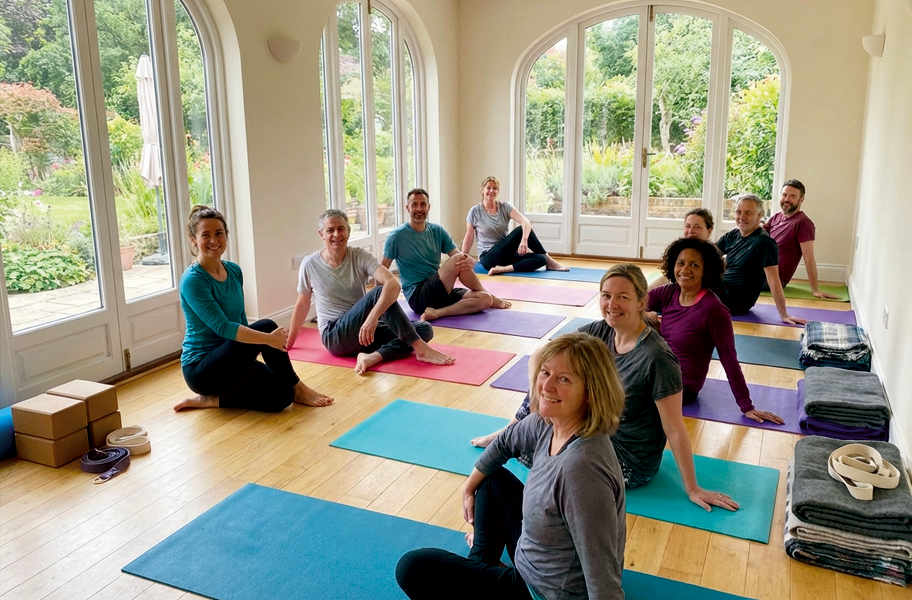
Let’s address that right now: yoga retreats for beginners exist specifically for you. They’re designed for people who are new, nervous, and unsure. The teachers expect beginners. The other participants are often beginners too. And the whole point is learning—not performing.
Yoga retreats for beginners can actually be the ideal way to start your practice. Instead of squeezing one class between work and dinner, you get days of dedicated time. Instead of learning from random YouTube videos, you get experienced teachers who can see your body and guide you personally. Instead of practicing alone, you’re surrounded by others on the same journey.
This guide covers everything you need to know. We’ll address your concerns honestly, help you choose the right retreat, prepare you for what to expect, and set you up for a transformative experience. Your yoga journey is about to begin.
Why Yoga Retreats for Beginners Make Sense
It might seem counterintuitive—shouldn’t you learn the basics first? Actually, yoga retreats for beginners offer advantages that regular classes can’t match.
The Case for Starting with a Retreat
| Regular Classes | Beginner Retreat |
|---|---|
| One hour, once or twice a week | Multiple hours daily for several days |
| Large classes, limited attention | Smaller groups, personal guidance |
| Rush in, rush out | Time to absorb and integrate |
| Learn poses in isolation | Understand the full practice |
| No community | Built-in support system |
| Distractions of daily life | Complete immersion |
Benefits Specific to Beginners
Accelerated learning What takes months in weekly classes can happen in days at a retreat. The immersion allows your body and mind to absorb information faster.
Proper foundation Retreats teach alignment, breath, and philosophy from the start—not just poses. You build good habits instead of ones you’ll need to unlearn later.
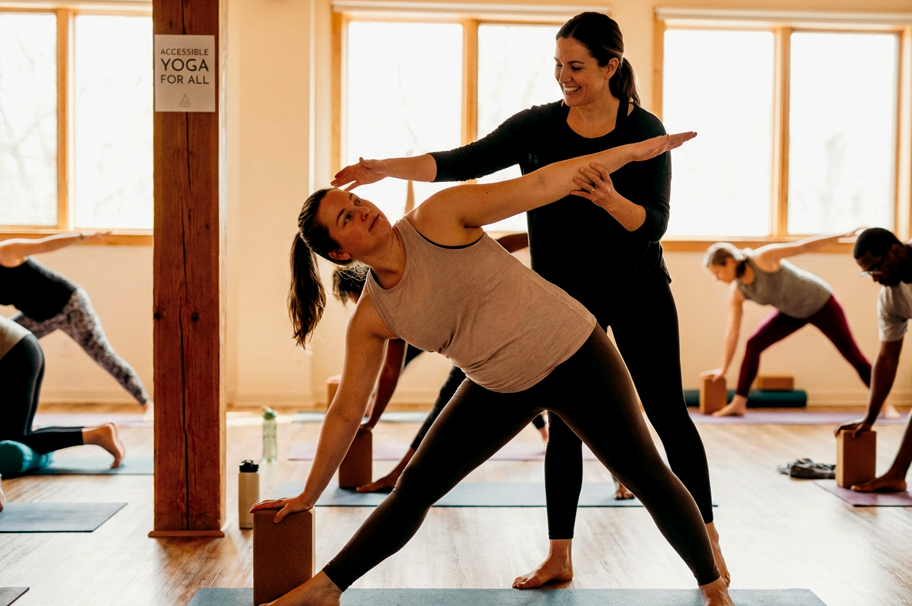
Personal attention Teachers at beginner retreats expect questions. They watch your form, offer modifications, and ensure you understand. This prevents injury and builds confidence.
Safe environment Everyone knows you’re learning. There’s no pressure to keep up with advanced practitioners. Mistakes are expected and welcomed.
Complete picture Yoga is more than poses. Retreats introduce meditation, breathwork, philosophy, and lifestyle practices that complete the picture.
Research Support
Studies from Harvard Health confirm that yoga improves flexibility, strength, balance, and mental health. Immersive experiences accelerate these benefits by allowing consistent practice without the interruptions of daily life.
Common Fears (And Why They’re Unfounded)
Let’s address the concerns that stop people from booking yoga retreats for beginners.
“I’m Not Flexible Enough”
The truth: Flexibility is a result of yoga, not a requirement for it. Every pose has modifications. Props (blocks, straps, blankets) adapt poses to any body. Teachers at beginner retreats expect inflexibility—that’s why people come.
What actually happens: You’ll use props. You’ll do modified versions. You’ll gradually open up over the retreat. No one expects you to touch your toes on day one.
“I’m Not Fit Enough”
The truth: Yoga meets you where you are. Beginner retreats include gentle styles (Hatha, Yin, Restorative) that require no fitness base. Even active styles offer modifications for every fitness level.
What actually happens: You rest when needed. You take breaks. Teachers encourage listening to your body. The retreat is about your experience, not performance.
“Everyone Will Be Better Than Me”
The truth: At beginner retreats, everyone is a beginner. Even mixed-level retreats have newcomers. And yoga culture explicitly discourages comparison—your practice is your own.
What actually happens: You’ll likely meet others just as nervous as you. You’ll bond over shared inexperience. The community becomes supportive, not competitive.
“I’ll Look Stupid”
The truth: Everyone looks awkward when learning something new. Teachers have seen it all. Other participants are focused on their own mats, not watching you.
What actually happens: You’ll wobble, fall out of poses, and get confused. So will everyone else. It becomes funny, not embarrassing. The atmosphere is supportive.
“I Don’t Know Any Poses”
The truth: That’s exactly what the retreat teaches. Beginner retreats assume zero knowledge. Teachers explain everything from the ground up.
What actually happens: You learn pose by pose, breath by breath. By the end, you’ll know a full practice you can continue at home.
“I’m Too Old / Too Heavy / Too [Anything]”
The truth: Yoga is for every body. There are 80-year-old yogis. There are plus-size yoga teachers. There are practitioners with disabilities, chronic conditions, and every body type imaginable.
What actually happens: Props and modifications make yoga accessible. Good teachers adapt to your body, not the other way around. You belong.
What Makes a Retreat “Beginner-Friendly”
Not all yoga retreats for beginners are created equal. Here’s what to look for:
Green Flags ✓
| Feature | Why It Matters |
|---|---|
| “All levels” or “Beginners welcome” stated clearly | Confirms they expect and accommodate newcomers |
| Small group size (under 15-20) | More personal attention |
| Experienced, certified teachers (RYT-200+) | Proper training in teaching beginners |
| Props provided | Essential for modifications |
| Gentle styles offered (Hatha, Yin, Restorative) | Accessible for all bodies |
| Free time in schedule | Rest and integration |
| Reviews from first-timers | Proof it works for beginners |
| Clear daily schedule | Know what to expect |
Red Flags ✗
| Warning Sign | Why It’s Concerning |
|---|---|
| “Intermediate” or “Advanced” in description | Not designed for beginners |
| Intensive schedule (6+ hours yoga daily) | Too demanding for newcomers |
| Only Ashtanga, Power, or Hot yoga | These styles challenge even experienced practitioners |
| Large groups (30+) | Limited individual attention |
| No mention of modifications or props | May not accommodate different levels |
| Vague descriptions | Unclear what you’re signing up for |
Questions to Ask Before Booking
- What percentage of participants are typically beginners?
- How do you accommodate people with no yoga experience?
- What props are provided?
- What styles of yoga are taught?
- How many hours of yoga per day?
- What’s the maximum group size?
- Can I rest if I need to?
- What if I can’t do certain poses?
Best Yoga Styles for Beginners
Yoga retreats for beginners typically offer these accessible styles:
Highly Recommended for Beginners
Hatha Yoga
- Slow pace with held poses
- Detailed alignment instruction
- Foundation of most modern yoga
- Perfect for learning basics
- Beginner rating: ★★★★★
Restorative Yoga
- Deeply relaxing, supported poses
- No strength or flexibility required
- Uses many props
- Impossible to “fail”
- Beginner rating: ★★★★★
Yin Yoga
- Long-held, passive stretches
- Props adapt every pose
- Meditative and calming
- Develops flexibility gently
- Beginner rating: ★★★★★
Gentle/Slow Flow Vinyasa
- Flowing but manageable pace
- Modifications offered throughout
- More dynamic than Hatha
- Good for those wanting movement
- Beginner rating: ★★★★☆
Approach with Caution
Regular Vinyasa/Flow
- Can move quickly
- Choose “all levels” classes only
- Be prepared to rest when needed
- Beginner rating: ★★★☆☆
Kundalini
- Unique style (breathwork, chanting)
- Physically accessible
- Spiritually intense for some
- Beginner rating: ★★★☆☆
Not Recommended for First Retreat
Ashtanga – Fixed demanding sequence Power Yoga – Fitness-focused intensity Hot/Bikram – Extreme heat adds challenge Advanced Vinyasa – Too fast for learning
Style Comparison for Beginners
| Style | Pace | Physical Demand | Learning Curve |
|---|---|---|---|
| Hatha | Slow | Low-Medium | Gentle |
| Restorative | Very slow | Very low | None |
| Yin | Very slow | Low | Gentle |
| Gentle Vinyasa | Moderate | Medium | Moderate |
Choosing Your First Retreat
Here’s how to find the perfect yoga retreats for beginners:
Step 1: Define Your Priorities
Budget
- Budget: $500-1,000 for retreat + travel
- Mid-range: $1,500-2,500 total
- Luxury: $3,000+ total
Duration
- Weekend (2-3 days): Taste of retreat life
- 5-7 days: Ideal for beginners (recommended)
- 10+ days: Significant commitment
Travel distance
- Local/regional: Less jet lag, easier logistics
- International: More exotic, bigger adventure
Accommodation style
- Shared room: Budget-friendly, social
- Private room: More rest, personal space
- Luxury: Maximum comfort
Step 2: Research Destinations
Best destinations for beginner retreats:
| Destination | Why Good for Beginners | Budget Level |
|---|---|---|
| Bali | Huge selection, all price points | $- |
| Portugal | Accessible from Europe, mild climate | $ |
| Costa Rica | Nature-focused, welcoming vibe | −$ |
| Thailand | Affordable, established yoga scene | $-$ |
| Mexico | Close to US, diverse options | $- |
| Spain | European accessibility, variety | $ |
Step 3: Evaluate Specific Retreats
Check these elements:
- “Beginner” or “all levels” clearly stated
- Teacher credentials listed (RYT-200 minimum)
- Daily schedule available
- Group size mentioned
- Reviews from beginners
- Clear pricing (what’s included/excluded)
- Reasonable cancellation policy
- Responsive communication
Step 4: Read Reviews Carefully
Look for reviews that mention:
- “First retreat” or “beginner”
- Teacher quality and attention
- Pace and accessibility
- Atmosphere and support
- Whether they’d recommend for newcomers
Be cautious of:
- Only 5-star reviews (may be curated)
- No reviews from beginners
- Complaints about pace or intensity
What to Expect: Daily Life at a Beginner Retreat
Here’s what a typical day at yoga retreats for beginners looks like:
Sample Daily Schedule
| Time | Activity |
|---|---|
| 7:00 AM | Optional meditation or gentle movement |
| 7:30 AM | Morning yoga class (90 min) |
| 9:00 AM | Breakfast |
| 10:30 AM | Workshop or second practice |
| 12:30 PM | Lunch |
| 1:30 PM | Free time (rest, explore, spa) |
| 4:30 PM | Afternoon yoga class (90 min) |
| 6:30 PM | Dinner |
| 8:00 PM | Evening activity (optional) |
What Classes Are Like
Before class:
- Arrive a few minutes early
- Set up your mat and props
- Tell the teacher you’re a beginner (they’ll watch out for you)
During class:
- Teacher demonstrates and explains each pose
- You follow at your own pace
- Modifications are offered for every pose
- Rest whenever you need (child’s pose is always available)
- Teacher may offer hands-on adjustments (you can decline)
After class:
- Stay in savasana (final relaxation) as long as you want
- Ask questions if you have them
- No rush to leave
What Meals Are Like
Most retreats serve:
- Vegetarian or vegan cuisine
- Fresh, healthy, whole foods
- Three meals plus snacks
- Dietary accommodations (tell them in advance)
Meals are often:
- Communal (great for meeting people)
- Relaxed timing
- Delicious (retreat food is usually excellent)
Free Time
Beginner retreats include downtime for:
- Resting and napping
- Journaling and reflection
- Exploring the surroundings
- Optional spa treatments
- Reading or quiet time
- Connecting with other participants
How to Prepare
Set yourself up for success at yoga retreats for beginners:
Before You Book
- Confirm it’s beginner-appropriate
- Read the cancellation policy
- Check visa requirements (international)
- Consider travel insurance
1-2 Months Before
- Book flights/transportation
- Arrange time off work
- Inform emergency contact of plans
- Start gentle movement if completely sedentary
- Try one local yoga class if possible (optional but helpful)
1 Week Before
- Start packing (see list below)
- Download any required apps
- Confirm retreat details and arrival instructions
- Arrange airport transfer if needed
- Start adjusting sleep schedule if crossing time zones
- Reduce caffeine and alcohol (optional but helps)
Day Before
- Final packing check
- Charge devices
- Print confirmations (backup to digital)
- Get good sleep
- Set positive intention

What to Pack
Essential packing list for yoga retreats for beginners:
Yoga Essentials
| Item | Notes |
|---|---|
| Yoga clothes (4-5 sets) | Comfortable, stretchy, breathable |
| Light layers | For meditation, cool mornings |
| Sports bra (if applicable) | Supportive but comfortable |
| Yoga mat | Or confirm one is provided |
| Small towel | For sweat during practice |
| Reusable water bottle | Stay hydrated |
Practical Items
| Item | Notes |
|---|---|
| Sunscreen | SPF 30+ |
| Insect repellent | Especially for tropical destinations |
| Comfortable walking shoes | For exploring |
| Sandals/flip-flops | For around the retreat |
| Swimsuit | If pool/beach available |
| Rain jacket | Depending on destination |
| Basic first aid | Bandaids, pain relief, personal meds |
| Toiletries | Basics (many retreats provide some) |
For Your Mind & Soul
| Item | Notes |
|---|---|
| Journal and pen | For reflections and insights |
| Book | For downtime |
| Headphones | For travel, personal time |
| Eye mask and earplugs | For better sleep |
What NOT to Pack
- Heavy laptop (leave work behind)
- Too many clothes (you’ll wear yoga clothes mostly)
- High heels or formal wear
- Excessive electronics
- Stress and expectations
Packing Tips
- Pack light – You’ll mostly wear yoga clothes
- Layers are key – Mornings can be cool, afternoons hot
- Comfort over style – No one cares what you look like
- Leave room – You might buy things there
During Your Retreat: Tips for Success
Make the most of your yoga retreats for beginners experience:
Mindset Tips
Let go of expectations You’re not here to achieve anything. You’re here to experience. Whatever happens is exactly right.
Embrace beginner’s mind Not knowing is a gift. You get to discover everything fresh, without preconceptions.
Compare yourself to no one Your practice is yours alone. The person next to you has a different body, different history, different journey.
Rest is productive Napping, sitting quietly, doing “nothing”—this is part of the retreat. Don’t fill every moment.
Be open to connection Some of your most meaningful experiences may come from conversations with other participants.
Practical Tips
Communicate with teachers
- Tell them you’re a beginner
- Mention any injuries or limitations
- Ask questions (there are no stupid ones)
- Request modifications when needed
Listen to your body
- Rest when tired
- Skip a class if needed (it’s allowed)
- Don’t push through pain
- Hydrate constantly
- Eat enough
Use props without shame
- Blocks, straps, blankets exist for everyone
- Using props is smart, not weak
- Ask for help setting them up
Take child’s pose freely
- This resting pose is always available
- Take it whenever you need
- No one judges—it’s encouraged
Social Tips
You don’t have to be social Retreats attract introverts too. It’s okay to eat alone, skip group activities, or need quiet time.
But be open to connection Some of the best retreat experiences come from unexpected friendships. Say hello. Share a meal. Be curious about others.
Silence is normal Many retreats have quiet times or silent meals. This isn’t awkward—it’s restful.
Common Challenges (And How to Handle Them)
Even the best yoga retreats for beginners can have difficult moments:
Physical Challenges
| Challenge | Solution |
|---|---|
| Soreness | Normal for first few days. Gentle movement helps. It passes. |
| Fatigue | Rest more. Skip a class if needed. Sleep early. |
| Difficulty with poses | Use props. Take modifications. Rest in child’s pose. |
| Headache | Often from detox (less caffeine, more water). Hydrate. Rest. |
| Digestive changes | New food, new schedule. Usually settles in 2-3 days. |
Emotional Challenges
| Challenge | Solution |
|---|---|
| Feeling overwhelmed | Take breaks. Spend time alone. Journal. |
| Unexpected emotions | Yoga releases stored tension. Let feelings flow. It’s healing. |
| Homesickness | Normal, especially first retreat. Connect with others. It passes. |
| Comparison/inadequacy | Remember: everyone is on their own journey. Focus on your mat. |
| Boredom | Embrace stillness. It’s part of the practice. Bring a book. |
Practical Challenges
| Challenge | Solution |
|---|---|
| Jet lag | Arrive a day early if possible. Get sunlight. Stay hydrated. |
| Dietary issues | Communicate needs clearly. Most retreats accommodate. |
| Roommate issues | Earplugs, eye mask. Speak up kindly if needed. |
| Missing home comforts | Bring one comfort item. Remember it’s temporary. |
When to Speak Up
Talk to retreat staff if:
- You’re injured or in pain
- You feel unwell
- Something makes you uncomfortable
- You need accommodations
- You’re struggling emotionally
Good retreats have support systems. Use them.
After Your Retreat: Continuing Your Practice
The real value of yoga retreats for beginners extends far beyond the retreat itself:
Week 1: Gentle Re-entry
Do:
- Maintain some retreat habits (early rising, less screen time)
- Practice what you learned, even just 10-15 minutes
- Journal about your experience while it’s fresh
- Eat well, sleep enough
- Be patient with yourself
Don’t:
- Schedule too much immediately after
- Expect to feel “retreat-level” peace at home
- Abandon everything you learned
- Judge yourself for the transition
Month 1: Establish New Routines
Building your home practice:
- Start small: 10-15 minutes is enough
- Same time each day builds habit
- Use YouTube or apps for guidance
- Practice what you remember from the retreat
- Don’t aim for perfection
Finding local classes:
- Look for “beginner” or “all levels” classes
- Try different teachers and studios
- Don’t compare to your retreat teachers
- Give it several tries before judging
Staying connected:
- Follow up with retreat friends
- Join online communities
- Follow your retreat teachers on social media
- Consider their online offerings
Ongoing: Sustaining Your Practice
Realistic expectations:
- Some days you won’t practice—that’s okay
- Progress isn’t linear
- The goal is consistency over time, not perfection
- Even 5 minutes counts
Signs of progress:
- You notice when you’re tense
- You breathe more consciously
- You’re more patient with yourself
- You crave movement and stillness
- Yoga feels like coming home
Planning your next retreat:
- Many people book their next retreat within a year
- Consider a different style or destination
- You’ll be amazed how much you’ve grown
Learn more:
→ What to Pack for a Yoga Retreat: The Complete Checklist
FAQ: Yoga Retreats for Beginners
Do I need ANY yoga experience for a beginner retreat? No. Yoga retreats for beginners assume zero experience. Teachers explain everything from scratch—how to breathe, how to stand, what each pose is called. You’ll learn alongside others who are also new. That’s the whole point.
What if I can’t do the poses? Every pose has modifications. Props (blocks, straps, blankets) adapt poses to your body. Teachers expect beginners to struggle—they’re trained to help. You can always rest in child’s pose. There’s no failing in yoga.
Will I be the only beginner? At beginner-specific retreats, everyone is new. At “all levels” retreats, there’s usually a mix, but beginners are common. You won’t be alone. And experienced practitioners were all beginners once—they understand.
How fit do I need to be? You don’t need to be fit at all. Gentle styles like Restorative, Yin, and Hatha require no fitness base. Even more active styles offer modifications. Yoga meets you where you are. Your body is ready now.
What if I have injuries or health conditions? Tell the retreat and teachers before you start. Good teachers modify practices for injuries, chronic conditions, pregnancy, and more. Yoga can be therapeutic—but teachers need to know your situation to keep you safe.
Should I practice before the retreat? It’s not required, but trying one or two local classes can help you feel more comfortable. Even watching beginner YouTube videos helps. But don’t stress—the retreat will teach you everything.
What if I don’t like it? This is rare when you’ve chosen a beginner-appropriate retreat. But if something feels wrong, speak to the organizers. You can modify your participation, skip sessions, or adjust expectations. Most people who are nervous beforehand love the experience.
Is it weird to go alone? Not at all—most people at yoga retreats are solo travelers. Going alone means complete freedom and often deeper connections with others. You’ll likely leave with new friends. Solo travel to retreats is completely normal.
Final Thoughts
Yoga retreats for beginners aren’t just for people who already do yoga. They’re for people who want to start. People who are curious. People who feel called to something deeper but don’t know where to begin.
You don’t need to be flexible. You don’t need to be fit. You don’t need to know anything about yoga. You just need to show up willing to learn.
The retreat will meet you exactly where you are. Teachers will guide you. Fellow beginners will support you. Your body will surprise you with what it can do. And somewhere along the way, you might discover something you’ve been looking for without knowing it.
Your yoga journey is waiting. The only thing standing between you and the mat is a decision.
Make it.
Ready to begin your yoga journey?
We’ve curated the best yoga retreats for beginners worldwide—welcoming, supportive, and designed for newcomers like you.