How to Choose the Right Detox Retreat for Your Goals

Affiliate Disclosure
We partner with retreat centers and booking platforms. When you book through our links, we may earn a commission at no extra cost to you. This supports our work and allows us to keep providing honest, in-depth reviews. Read our editorial policy
Table Of Content
- Affiliate Disclosure
- Introduction
- Step 1: Clarify Your Detox Goals
- Step 2: Understand the Different Types of Detox Retreats
- Step 3: Match Your Goals to the Right Detox Retreat Type
- Step 4: Evaluate Specific Retreats
- Step 5: Consider Practical Factors to Choose the Right Detox Retreat
- Step 6: Assess Your Readiness
- Step 7: Prepare for Success
- Common Mistakes When Choosing a Detox Retreat
- After You Book: Final Checklist
- FAQ: Choosing the Right Detox Retreat
- Final Thoughts: Trust Your Choice
Introduction
You’ve decided you need a reset. Your body feels sluggish, your mind foggy, your energy depleted. A detox retreat sounds like exactly what you need. But then you start searching—and the options are overwhelming.
Juice fasts. Water fasts. Ayurvedic cleanses. Colon hydrotherapy. Digital detox. Medical detox. Luxury spas. Spartan ashrams. Seven days. Twenty-one days. Thailand. Portugal. Your backyard.
How do you choose the right detox retreat when every program promises transformation but each takes a radically different approach?
Here’s the truth: there is no single “best” detox retreat. There’s only the best detox retreat for you—for your specific goals, your health status, your experience level, your budget, and your definition of what “detox” even means.
This guide will help you cut through the marketing and make a clear-headed decision. We’ll explore the different types of detox programs, help you clarify your actual goals, show you how to match programs to objectives, and give you the questions to ask before booking.
By the end, you’ll know exactly how to choose the right detox retreat for what you actually need.
Let’s get clear.
Step 1: Clarify Your Detox Goals
Before comparing retreats, get honest about what you’re actually seeking. Different goals require different programs.
Common Detox Goals
| Goal | What It Really Means |
|---|---|
| Physical cleansing | Remove toxins, reset digestion, clear skin, reduce inflammation |
| Weight loss kickstart | Lose initial weight, break unhealthy eating patterns |
| Energy restoration | Overcome fatigue, restore vitality, improve sleep |
| Mental clarity | Clear brain fog, improve focus, reduce anxiety |
| Break addictions/habits | Quit sugar, caffeine, alcohol, smoking, or other substances |
| Digestive reset | Heal gut issues, reduce bloating, improve elimination |
| Stress recovery | Recover from burnout, reset nervous system, deep rest |
| Spiritual cleansing | Emotional release, inner clarity, life perspective |
| Medical support | Address specific health conditions with professional guidance |
| Lifestyle transformation | Learn new habits, establish sustainable wellness practices |
Goal-Setting Exercise
Answer these questions honestly:
1. What’s your primary motivation?
- Physical symptoms (fatigue, digestive issues, skin problems)?
- Mental/emotional state (stress, anxiety, brain fog)?
- Specific habit you want to break?
- General reset and prevention?
- Medical condition requiring attention?
2. What outcome would make this retreat “worth it”?
- Feeling physically lighter and cleaner?
- Losing a specific amount of weight?
- Breaking a specific habit?
- Learning skills to continue at home?
- Deep rest and recovery?
- Addressing a health concern?
3. What’s your experience level?
- Never done any cleansing or fasting?
- Some experience with juice cleanses or dietary changes?
- Experienced with fasting and detox protocols?
- Dealing with health conditions requiring supervision?
4. What’s your tolerance for intensity?
- Want gentle, supported, comfortable?
- Ready for moderate challenge?
- Seeking intense, transformative, potentially uncomfortable?
Write down your answers. They’ll guide every decision that follows.
Step 2: Understand the Different Types of Detox Retreats
To choose the right detox retreat, you need to understand what’s actually on offer. Here are the main categories.
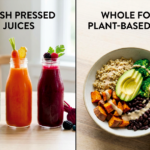
Juice Fasting Retreats
What it is: Consuming only fresh-pressed fruit and vegetable juices for a set period, typically 3–14 days.
| Pros | Cons |
|---|---|
| Effective for quick reset | Can be challenging, especially days 2–4 |
| Floods body with nutrients | Not suitable for everyone (diabetics, some conditions) |
| Relatively accessible for beginners | Hunger and detox symptoms common |
| Clear, structured protocol | May lose muscle if extended |
| Widely available | Results can be temporary without lifestyle change |
Best for: Physical cleansing, weight loss kickstart, breaking sugar addiction, energy boost.
Duration: 3–14 days typical; 7 days most common.
Intensity: Moderate to high.
Water Fasting Retreats
What it is: Consuming only water (sometimes with electrolytes) for extended periods, typically 5–21+ days.
| Pros | Cons |
|---|---|
| Deepest physical detoxification | Intense; significant detox symptoms |
| Triggers autophagy (cellular cleanup) | Requires medical supervision for safety |
| Profound mental clarity (after adjustment) | Not suitable for many health conditions |
| Spiritual/transformative potential | Muscle loss if extended |
| Research-backed benefits | Requires careful refeeding |
Best for: Experienced fasters, deep reset, specific health protocols, spiritual practice.
Duration: 5–21+ days; requires supervision.
Intensity: Very high.
⚠️ Important: Water fasting should only be done at medically supervised facilities.
Raw Food / Living Foods Retreats
What it is: Eating only uncooked, plant-based foods—fruits, vegetables, nuts, seeds, sprouted grains.
| Pros | Cons |
|---|---|
| Gentler than fasting | Digestive adjustment period |
| High nutrient intake | Can be gas-producing initially |
| Sustainable beyond retreat | Requires food preparation knowledge |
| Educational component | Less dramatic immediate results |
| Suitable for longer stays | May feel restrictive |
Best for: Beginners, those wanting sustainable change, digestive healing, learning new eating patterns.
Duration: 7–21 days typical.
Intensity: Low to moderate.
Ayurvedic Detox Retreats (Panchakarma)
What it is: Traditional Indian cleansing using oils, herbs, specific foods, and purification procedures tailored to your constitution.
| Pros | Cons |
|---|---|
| Personalized to your body type | Requires longer commitment (14–28 days ideal) |
| Addresses root causes | Some procedures uncomfortable |
| Holistic—mind, body, spirit | Requires qualified practitioners |
| Thousands of years of refinement | Less “quick fix,” more deep healing |
| Sustainable lifestyle integration | Can be expensive for quality programs |
Best for: Chronic conditions, deep healing, those wanting personalized approach, holistic transformation.
Duration: 14–28 days for full Panchakarma; 7–14 for lighter programs.
Intensity: Moderate (but thorough).
→ Learn more: Ayurveda Retreats vs Panchakarma
Medical/Clinical Detox Retreats
What it is: Medically supervised programs, often including testing, IV therapies, colonics, and professional monitoring.
| Pros | Cons |
|---|---|
| Professional medical oversight | Most expensive option |
| Testing identifies specific issues | Can feel clinical rather than retreat-like |
| Appropriate for health conditions | May focus on protocols over experience |
| Advanced therapies available | Less spiritual/emotional component |
| Safest for complex situations | Insurance rarely covers |
Best for: Specific health conditions, those needing medical supervision, comprehensive testing, serious detox.
Duration: 7–21 days typical.
Intensity: Varies; medically managed.
Digital Detox Retreats
What it is: Unplugging from technology—phones, computers, social media—in a supportive environment.
| Pros | Cons |
|---|---|
| Addresses modern stress source | Doesn’t address physical toxins |
| Immediate mental clarity | Can feel uncomfortable initially |
| Reconnection with self and others | May not include other wellness elements |
| Increasingly necessary | Anxiety about disconnection |
| Often combined with other programs | Benefits require ongoing practice |
Best for: Burnout recovery, mental clarity, those addicted to devices, stress reduction.
Duration: 3–14 days typical.
Intensity: Low physically; moderate mentally.
Holistic/Integrative Retreats
What it is: Combines multiple modalities—dietary changes, yoga, meditation, treatments, education—for comprehensive approach.
| Pros | Cons |
|---|---|
| Addresses multiple dimensions | May not go as deep in any single area |
| Variety prevents boredom | Can feel busy or scheduled |
| Educational component | Quality varies widely |
| Suitable for most people | “Jack of all trades” risk |
| Good introduction to wellness | May lack specific expertise |
Best for: Beginners, general wellness, those unsure what they need, lifestyle transformation.
Duration: 7–14 days typical.
Intensity: Low to moderate.

Step 3: Match Your Goals to the Right Detox Retreat Type
Now let’s connect your goals to the right program type. This is the key to choosing the right detox retreat.
Goal-to-Program Matching Guide
| Your Primary Goal | Best Program Types | Duration |
|---|---|---|
| Quick physical reset | Juice fasting, raw food | 5–7 days |
| Deep physical cleansing | Water fasting (supervised), Panchakarma | 14–21 days |
| Weight loss kickstart | Juice fasting, raw food, holistic | 7–14 days |
| Break sugar/caffeine addiction | Juice fasting, raw food, holistic | 7–14 days |
| Digestive healing | Ayurvedic, raw food, medical | 14–21 days |
| Chronic health condition | Medical, Ayurvedic (Panchakarma) | 21–28 days |
| Burnout recovery | Holistic, digital detox, gentle programs | 7–14 days |
| Mental clarity | Digital detox, juice fasting, meditation-focused | 7–14 days |
| Spiritual transformation | Water fasting, Ayurvedic, ashram-based | 14–28 days |
| Learn sustainable habits | Raw food, holistic, educational programs | 10–21 days |
| First-time detox experience | Holistic, gentle juice, raw food | 5–7 days |
Decision Flowchart
Start here:
- Do you have a medical condition or take medications?
- Yes → Medical or Ayurvedic retreat with doctor supervision
- No → Continue to question 2
- Have you done detox/fasting before?
- Never → Start with holistic, raw food, or gentle juice program (5–7 days)
- Some experience → Juice fasting, raw food, or Ayurvedic (7–14 days)
- Experienced → Any program including water fasting (if supervised)
- Is your primary goal physical or mental/emotional?
- Physical → Juice fasting, Ayurvedic, medical
- Mental/emotional → Digital detox, holistic, meditation-focused
- Both → Holistic, Ayurvedic
- How much time can you commit?
- Less than 7 days → Juice fasting, digital detox, gentle programs
- 7–14 days → Most program types available
- 14+ days → Deep programs, Panchakarma, water fasting, transformation
- What’s your budget?
- Limited → Ashram-based, simpler centers, off-season
- Moderate → Mid-range holistic, juice retreats
- Flexible → Luxury, medical, premium Ayurvedic
Step 4: Evaluate Specific Retreats
Once you’ve identified your program type, evaluate specific retreats using these criteria.
Essential Questions to Ask
About the Program:
- What exactly is included in the daily program?
- What is the dietary protocol (juice only, raw food, specific menu)?
- How are programs customized to individual needs?
- What happens if I struggle or need to modify?
- What support is available during challenging moments?
About Qualifications:
- What are the credentials of the staff?
- Is there medical supervision available?
- How long has the retreat been operating?
- What training do facilitators have?
About Safety:
- What health conditions do you screen for?
- What is the protocol if someone has a medical issue?
- Is there a doctor or nurse on-site or on-call?
- What are the contraindications for your program?
About Logistics:
- What is included in the price (transfers, accommodation, treatments)?
- What additional costs should I expect?
- What is the cancellation policy?
- What should I bring/not bring?
- Is there WiFi/phone access (or is it discouraged)?
About the Experience:
- What is the typical group size?
- What is the daily schedule?
- How much free time vs. structured time?
- What is the accommodation like?
- Are there private room options?
About Results:
- What results do most guests experience?
- What follow-up support is provided?
- Do you provide a post-retreat protocol?
- Can I contact you after I leave with questions?
Red Flags When Evaluating Detox Retreats
🚩 Avoid retreats that:
- Promise miracle cures or guaranteed specific results
- Don’t ask about your health history before booking
- Offer water fasting without medical supervision
- Have no qualified health professionals on staff
- Can’t clearly explain their methodology
- Pressure you to book immediately with “limited spots”
- Have no reviews or only perfect 5-star reviews
- Won’t answer questions directly
- Have hidden costs that emerge after inquiry
- Dismiss concerns about safety or contraindications
Green Flags to Look For
✅ Good signs include:
- Detailed health intake questionnaire
- Clear explanation of daily schedule and protocols
- Transparent, all-inclusive pricing
- Qualified staff with verifiable credentials
- Willingness to discuss who the program is NOT suitable for
- Balanced reviews mentioning both positives and challenges
- Post-retreat support and guidance
- Reasonable, honest claims about outcomes
- Responsive, helpful communication
- Years of operation with consistent quality
Step 5: Consider Practical Factors to Choose the Right Detox Retreat
Beyond program type, practical factors significantly impact your experience.
Location Considerations
| Factor | Questions to Ask Yourself |
|---|---|
| Climate | Do you want warm/tropical or temperate? Can you handle heat during detox? |
| Travel time | How much travel can you handle? Jet lag affects detox. |
| Setting | Beach, mountains, forest, countryside? What environment calls you? |
| Accessibility | How easy is it to reach? Do you need multiple flights? |
| Culture | Do you want familiar or immersive cultural experience? |
| Language | Is English widely spoken? Does language barrier concern you? |
Popular Detox Retreat Destinations
| Destination | Known For | Best For | Budget Level |
|---|---|---|---|
| Thailand | Affordable, tropical, variety | Budget-conscious, first-timers | $–$ |
| Bali, Indonesia | Spiritual, beautiful, holistic | Yoga + detox, spiritual seekers | $ |
| Portugal | European, accessible, quality | Europeans, surf + wellness | –$ |
| Spain | Variety, good climate, accessible | Europeans, moderate budgets | –$ |
| India (Kerala) | Authentic Ayurveda, affordable | Panchakarma, deep healing | $–$ |
| Costa Rica | Nature, eco-retreats, adventure | Nature lovers, North Americans | –$ |
| Mexico | Close to US, variety, value | North Americans, budget-moderate | $ |
| Austria/Germany | Medical spas, clinical quality | Medical detox, Europeans | –$$ |
| UK | Accessible, English-speaking | British, short programs | $ |
Duration: How Long Should You Go?
| Duration | What’s Possible | Best For |
|---|---|---|
| 3–5 days | Introduction, gentle reset, taste of detox | Complete beginners, limited time, trial |
| 7 days | Meaningful cleanse, break initial habits | Most popular, good balance |
| 10–14 days | Deeper cleansing, establish new patterns | Serious reset, chronic issues beginning |
| 21–28 days | Profound transformation, address root causes | Deep healing, Panchakarma, life change |
| 30+ days | Complete reset, major health protocols | Serious conditions, extended healing |
General guidance:
- First-time? Start with 7 days.
- Specific health goal? 14 days minimum.
- Deep transformation? 21+ days.
- Just curious? 3–5 days to test.
Budget Planning
What affects price:
- Location (Southeast Asia cheapest, Europe/US most expensive)
- Accommodation level (shared vs. private, basic vs. luxury)
- Program intensity (more treatments = higher cost)
- Staff qualifications (medical supervision costs more)
- Inclusions (transfers, excursions, products)
- Season (high season = higher prices)
Budget ranges (approximate, per day, all-inclusive):
| Level | Per Day | 7-Day Program | 14-Day Program |
|---|---|---|---|
| Budget | $50–100 | $350–700 | $700–1,400 |
| Mid-range | $100–200 | $700–1,400 | $1,400–2,800 |
| Upper mid-range | $200–350 | $1,400–2,450 | $2,800–4,900 |
| Luxury | $350–600+ | $2,450–4,200+ | $4,900–8,400+ |
Don’t forget to budget for:
- Flights
- Travel insurance
- Pre/post retreat accommodation
- Airport transfers (if not included)
- Tips for staff
- Supplements/products to take home
- Spending money

Step 6: Assess Your Readiness
Before booking, honestly assess whether you’re ready for the program you’re considering.
Physical Readiness
Ask yourself:
- Am I in generally stable health?
- Have I addressed any medical concerns with my doctor?
- Am I prepared for potential detox symptoms (headaches, fatigue, irritability)?
- Can my body handle the physical demands of this program?
- Have I done any preparation (reducing caffeine, cleaning up diet)?
If you have any of these, consult a doctor first:
- Diabetes or blood sugar issues
- Heart conditions
- Kidney or liver disease
- Eating disorder history
- Pregnancy or breastfeeding
- Taking medications
- Recent surgery
- Chronic health conditions
Mental/Emotional Readiness
Ask yourself:
- Am I in a stable emotional place?
- Can I handle discomfort without quitting?
- Am I doing this for myself (not to please others)?
- Am I open to the experience, even if challenging?
- Can I surrender control and follow protocols?
- Am I prepared for emotions that might surface?
Consider postponing if:
- You’re in acute crisis or severe depression
- You’re using detox to avoid dealing with something
- You’re not genuinely motivated
- You’re doing it primarily for someone else
- You have unresolved trauma that might be triggered (without proper support)
Lifestyle Readiness
Ask yourself:
- Can I take this time away from work/responsibilities?
- Have I arranged coverage for my obligations?
- Am I willing to disconnect from devices?
- Can I commit to the full program without leaving early?
- Am I prepared to follow the rules and protocols?
Step 7: Prepare for Success
Once you’ve chosen your retreat, preparation maximizes your results.
Pre-Retreat Preparation (2–4 Weeks Before)
Dietary preparation:
- Gradually reduce caffeine (avoid cold-turkey withdrawal at retreat)
- Reduce or eliminate alcohol
- Cut back on processed foods and sugar
- Increase vegetables and whole foods
- Drink more water
- Eat lighter, especially evenings
Lifestyle preparation:
- Start going to bed earlier
- Reduce screen time, especially before bed
- Begin gentle exercise routine if sedentary
- Start a simple meditation practice
- Journal about your intentions and goals
Practical preparation:
- Complete health forms thoroughly and honestly
- Arrange time off work
- Handle home responsibilities
- Inform close ones about your plans
- Purchase any required items
- Arrange travel and transfers
→ Read our complete guide: How to Prepare for a Detox Retreat
Setting Intentions
Write down:
- Why you’re doing this retreat (your deeper motivation)
- What you hope to experience or achieve
- How you want to feel when you leave
- What you’re willing to release or let go of
- What habits you want to establish going forward
Bring these intentions with you. Revisit them during the retreat.
Common Mistakes When Choosing a Detox Retreat
Learn from others’ errors to choose the right detox retreat the first time.
Mistake 1: Choosing Based on Price Alone
The problem: The cheapest option may lack qualified staff, proper supervision, or quality protocols. The most expensive may be paying for luxury, not better detox.
The solution: Focus on value—what you get for what you pay. A mid-range retreat with excellent practitioners beats a luxury spa with unqualified staff.
Mistake 2: Going Too Intense Too Fast
The problem: Jumping into water fasting or extreme protocols without experience can be dangerous and counterproductive. You may quit early, feel traumatized, or harm your health.
The solution: Start gentler than you think you need. You can always go deeper next time. A successful gentle detox beats an abandoned intense one.
Mistake 3: Ignoring Your Health Status
The problem: Certain programs are contraindicated for specific conditions. Fasting with diabetes, detoxing while pregnant, or intensive programs with heart conditions can be dangerous.
The solution: Be completely honest on health forms. Consult your doctor before booking. Choose retreats that screen properly and have medical support.
Mistake 4: Choosing Based on Someone Else’s Experience
The problem: Your friend’s transformative experience at an intense fasting retreat doesn’t mean it’s right for you. Different bodies, different needs, different readiness.
The solution: Use others’ experiences as data points, not prescriptions. Focus on what YOU need based on YOUR goals and situation.
Mistake 5: Expecting the Retreat to Do All the Work
The problem: Thinking you’ll be “fixed” by the retreat without any effort or follow-through. Returning to old habits immediately erases benefits.
The solution: View the retreat as a beginning, not an end. Commit to integration and lifestyle changes. Choose retreats that provide post-program support.
Mistake 6: Not Researching Thoroughly
The problem: Booking based on beautiful photos and marketing copy without verifying credentials, reading reviews, or asking questions.
The solution: Research multiple options. Read reviews (especially critical ones). Ask questions. Verify credentials. Trust your instincts if something feels off.
Mistake 7: Choosing the Wrong Duration
The problem: Too short and you don’t get meaningful results. Too long and you may struggle to complete it or afford it.
The solution: Match duration to your goals and experience level. When in doubt, 7 days is a good starting point for most people.
After You Book: Final Checklist
You’ve made your choice. Now ensure success with this checklist.
Immediately After Booking
- Save confirmation and contact details
- Note cancellation policy and deadlines
- Complete health intake forms thoroughly
- Book flights (if not included)
- Arrange travel insurance
- Apply for visa if required
- Notify bank of travel plans
4 Weeks Before
- Begin dietary preparation
- Start reducing caffeine and alcohol
- Confirm all arrangements with retreat
- Arrange coverage for work/home responsibilities
- Begin sleep schedule adjustment
2 Weeks Before
- Intensify dietary preparation
- Confirm airport transfers
- Start packing list
- Handle any medical consultations
- Set out-of-office plans
1 Week Before
- Final dietary strictness
- Complete packing
- Confirm all travel details
- Prepare home for absence
- Write down intentions
Day Before
- Rest
- Eat light
- Final packing check
- Early bedtime
- Calm, grounding activities
→ Learn more: Ayurveda Retreats vs Panchakarma
FAQ: Choosing the Right Detox Retreat
How do I know if I need a detox retreat or just a vacation? If you’re exhausted and need rest, a relaxing vacation might suffice. But if you’re experiencing specific symptoms (digestive issues, brain fog, low energy, skin problems), want to break unhealthy habits, or feel your body needs a reset, a detox retreat offers structured support that a vacation doesn’t. Ask yourself: do I need to escape, or do I need to transform?
Is it safe to do a detox retreat without medical supervision? Gentle programs (raw food, light juice cleansing, holistic retreats) are generally safe for healthy adults. However, water fasting, extended fasting, or intensive protocols require medical supervision. If you have any health conditions, take medications, or are unsure, choose a retreat with medical oversight or consult your doctor first.
What if I have dietary restrictions or allergies? Most quality retreats accommodate dietary needs with advance notice. Communicate restrictions clearly when booking and confirm the retreat can accommodate you. Some programs (like specific juice protocols) may have less flexibility than others (like raw food or Ayurvedic programs that customize to individuals).
Can I do a detox retreat if I’ve never fasted before? Absolutely—but choose an appropriate program. Start with a gentle holistic retreat, raw food program, or supported juice cleanse rather than water fasting or intensive protocols. A 5–7 day beginner-friendly program lets you experience detox safely and learn whether more intensive programs might suit you in the future.
How do I handle work while at a detox retreat? Ideally, disconnect completely—this is part of the healing. If you absolutely must check in, choose a retreat with WiFi access and schedule specific, limited times for work. However, know that divided attention diminishes results. If you can’t fully unplug, consider whether it’s the right time for a retreat.
What results can I realistically expect? Results vary based on program type, duration, your starting point, and your commitment. Common experiences include: increased energy, mental clarity, weight loss (some temporary water weight, some lasting), improved digestion, clearer skin, better sleep, and breaking unhealthy cravings. Profound transformation typically requires longer programs (14+ days) and lifestyle changes afterward.
How often should I do a detox retreat? For maintenance, once or twice yearly is common. For addressing specific issues, you might do an initial intensive program followed by shorter annual refreshers. Listen to your body—some people thrive with regular seasonal cleanses, others prefer occasional deeper resets. Quality matters more than frequency.
What if I need to leave the retreat early? Most retreats have policies for early departure (usually no refund). More importantly, ask yourself why you want to leave. Days 2–4 are often the hardest—detox symptoms peak and you may want to quit. If it’s discomfort rather than genuine emergency, try to stay. Communicate with staff; they’re experienced in supporting guests through difficult moments.
Final Thoughts: Trust Your Choice
You now have everything you need to choose the right detox retreat for your goals. You understand the different program types, you’ve clarified what you actually want, you know how to evaluate options, and you’re aware of the practical factors that matter.
But here’s the final truth: there’s no perfect choice. Every retreat has trade-offs. Every program has limitations. Every decision involves some uncertainty.
At some point, you have to stop researching and start doing.
Trust that you’ve done your homework. Trust that you know yourself better than any article can. Trust that the right retreat for you is the one that aligns with your goals, fits your situation, and feels right in your gut.
The retreat you choose doesn’t have to be perfect. It just has to be right enough—right enough to support your healing, challenge you appropriately, and give you the reset you’re seeking.
Your body wants to heal. Your mind wants clarity. Your spirit wants renewal.
The retreat is just the container. You bring the intention. Together, transformation happens.
Stop scrolling. Start choosing. Your detox journey awaits.
Ready to find your perfect detox retreat?
We’ve curated the best detox programs worldwide—from gentle juice cleanses to transformative Panchakarma. Find the right match for your goals.