8-Day Ayahuasca Retreat in Mocoa: The Ultimate Reset
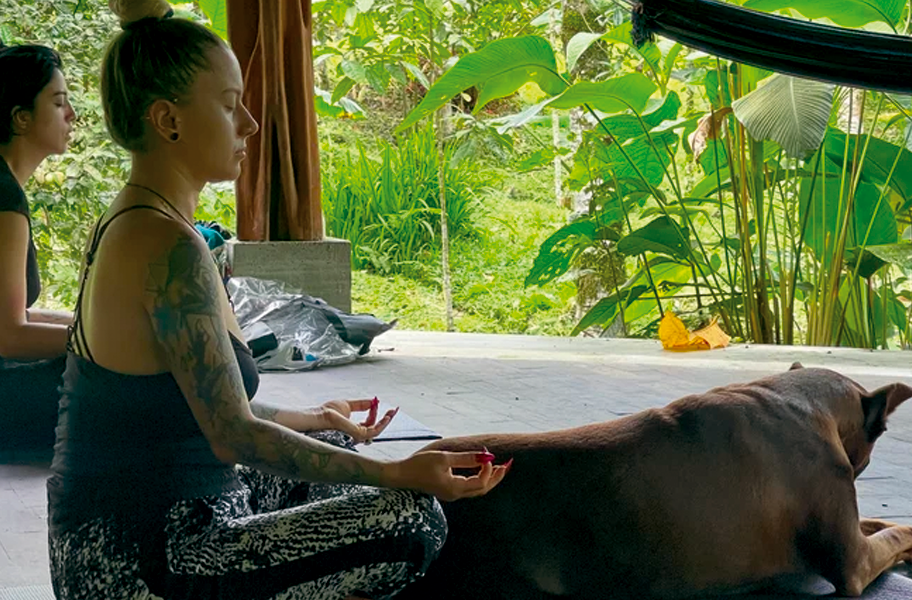
This 8-day ayahuasca (yagé) retreat in Mocoa, Putumayo, Colombia, with Mahadevi Retreats is positioned as serious medicine work—structured, intentional, and held in an Amazon-edge environment that naturally quiets the mind. A key differentiator is the ceremonial arc: the retreat may include both crudo and cooked yagé, creating a layered process rather than a one-note experience.
Table Of Content
- Retreat snapshot (quick facts)
- The setting: Mocoa, Putumayo (Amazon-edge Colombia)
- The medicine approach: crudo vs. cooked yagé (what it means)
- What a typical day can look like (sample rhythm)
- Ceremony nights: container, support, and pacing
- Integration between ceremonies (how the week lands)
- Preparation & dieta (high-level, practical)
- Safety and legality
- Who this retreat is best for
- What’s typically included (confirm on the booking page)
- FAQ—Ayahuasca (Yagé) Retreat in Mocoa, Colombia
Affiliate disclosure: This page contains an affiliate link. If a booking is made through it, a commission may be earned at no extra cost. The review stays honest and practical either way. Read our editorial policy.
For readers comparing options inside ayahuasca retreats, this one reads as depth-first: readiness, respect, and integration matter as much as ceremony nights.
Want to explore both raw and cooked yagé in one guided 8-day container?
Retreat snapshot (quick facts)
- Location: Mocoa, Putumayo, Colombia (Amazon-edge setting)
- Length: 8 days
- Style: traditional yagé work with integration space between ceremonies
- Standout: potential inclusion of both crudo and cooked yagé across the week
- Best fit: guests seeking depth, structure, and a longer arc (not a quick peak)
The setting: Mocoa, Putumayo (Amazon-edge Colombia)
Mocoa sits in the Putumayo region, a gateway territory where mountains, rainforest, and rivers meet. The air feels thick with life. Even simple moments—walking to a practice space, hearing insects at night, feeling rain arrive—carry a quiet message: the mind isn’t in charge out here.
That matters for plant medicine work. A setting like this reduces distraction and supports inward focus, which can make the overall process feel clearer and more integrative. If you’re also exploring adjacent paths under Shamanism Retreats, this is the same principle in a different language: the container is not only the facilitators but also the environment, pacing, and the way the week is held. And if you’re mapping retreats by region, it helps to keep this page connected to your Columbia destination hub so searchers can move naturally between Colombia-based options.
The medicine approach: crudo vs. cooked yagé (what it means)
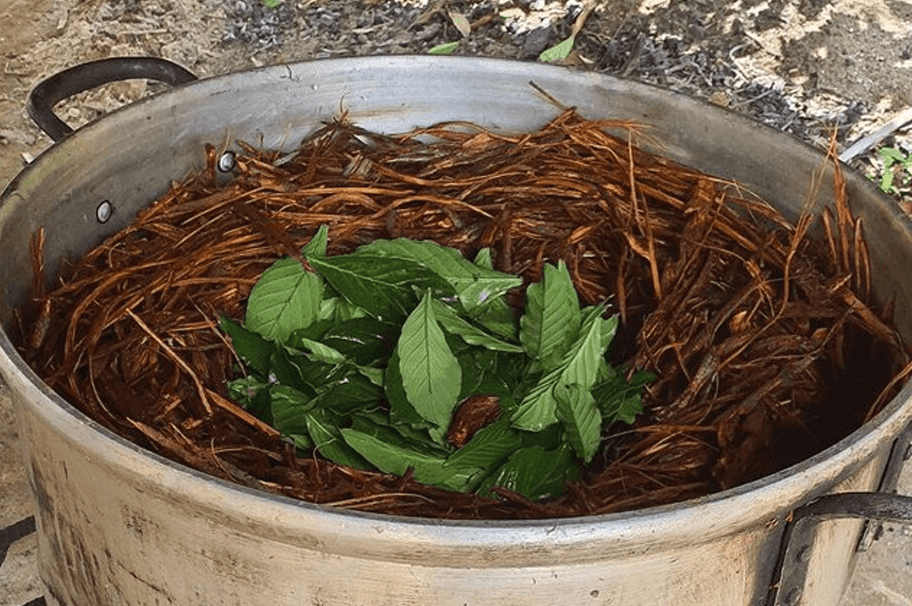
A defining feature of this retreat is the possibility of working with both crudo (raw) and cooked yagé. Specifics of lineage and preparation are best confirmed directly with the organizers, but the practical takeaway is simple: this is designed as a multi-layered ceremonial arc, not a single “one size fits all” expression.
In practice, that often creates a week that unfolds in stages—opening, deepening, and then consolidating—rather than compressing everything into one peak. For the right guest, that longer arc can be the difference between “a big experience” and something that actually lands as change.
What a typical day can look like (sample rhythm)
A well-designed 8-day container doesn’t try to fill every hour. It builds a rhythm that respects recovery, reflection, and nervous system regulation.
A typical day between ceremonies often includes:
- Quiet mornings and gentle grounding practices
- Simple meals aligned with preparation guidance
- Rest, journaling, and time in nature
- Integration support (varies by retreat—confirm inclusions)
The point isn’t productivity. It’s giving the workspace to land—especially after intense nights, when the body needs steadiness more than stimulation.
Ceremony nights: container, support, and pacing
In a well-held setting, ceremony is both sacred and practical. Expect a focus on pacing, supervision, and a team that knows how to support people through intensity—before, during, and after the night.
Ceremony nights commonly include:
- Clear guidance on how the night is held
- Support for hydration and basic physical needs
- A calm, structured environment that prioritizes safety and respect
Integration between ceremonies (how the week lands)
What happens between ceremonies often determines whether insights become change. In an 8-day retreat, the daytime rhythm is where the work earns its depth: sleep, digestion, emotional processing, and the slow reordering that can’t be rushed.
After a strong night, the simplest things—warm tea, quiet air, a slow walk—can become part of the medicine. Integration isn’t a bonus. It’s the bridge between revelation and real life. This is also why the retreat can appeal to readers who come in through Healing Retreats rather than purely “spiritual tourism”: the emphasis is on what changes after the peak, not just what happens during it.
Preparation & dieta (high-level, practical)
Retreats offering yagé work at this level typically emphasize preparation—both physical and psychological. That often includes guidance around a dieta: simplifying food, avoiding alcohol and certain substances, and reducing stimulants.
The practical benefit is tangible: fewer variables in the body, a steadier nervous system, and a clearer baseline for the week. For many guests, preparation becomes the first act of commitment—an early signal that this is meaningful and that the retreat is being met with respect rather than curiosity alone.
Safety and legality
Local laws and retreat protocols vary, so always check regulations and follow the organizer’s guidance. Ayahuasca/yagé is not appropriate for everyone—especially people with certain medical conditions, those taking specific medications (including some antidepressants), or those with a history of severe mental health challenges. Consult a qualified medical professional before booking.
Who this retreat is best for
This retreat is best suited for someone who wants a longer ceremonial arc with real integration time—held in a jungle-edge setting that supports deep downshifting. It can be especially supportive for people seeking clarity around life direction, emotional healing, grief processing, or long-held inner knots that haven’t shifted through “talking about it” alone.
Best for
- Experienced or well-prepared guests wanting a deeper, multi-ceremony arc
- People seeking serious inner work with strong integration time built in
Not ideal for
- Anyone looking for a “light” experience or a packed activity schedule
- Travelers who can’t follow screening, diet, or preparation guidance
If you’re choosing depth and integration time—not just ceremony nights—this retreat is worth a close look.
What’s typically included (confirm on the booking page)
Because inclusions can change by date, always verify details on the booking page. Retreats in this style typically include:
- Ceremony nights with facilitation/support team
- Preparation guidance and diet recommendations
- Integration time between ceremonies
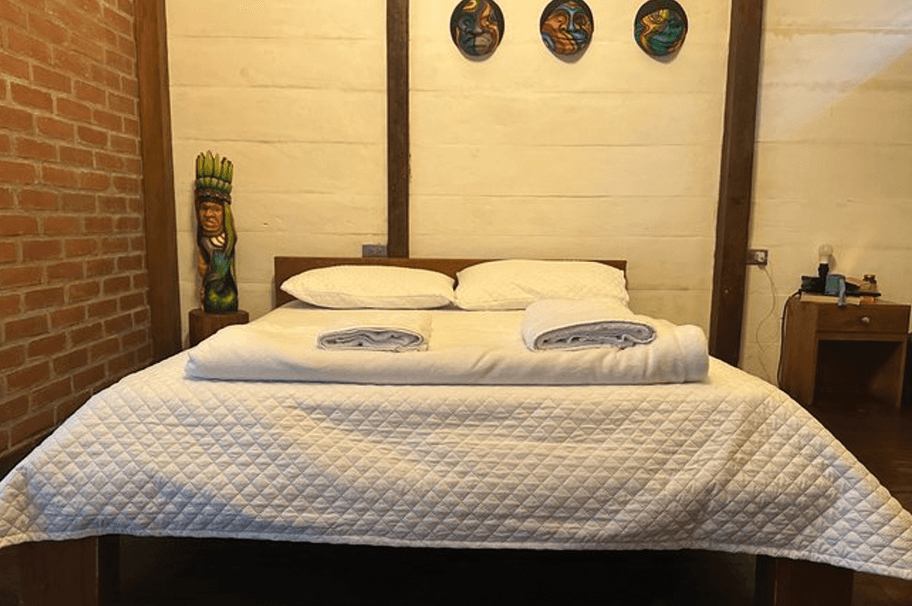
- Accommodation and meals (per retreat inclusions)
If you’re looking for an ayahuasca retreat that feels rooted in real medicine work—held in the jungle-edge stillness of Putumayo, with an 8-day arc and space to integrate—this Mahadevi retreat is one to take seriously.
FAQ—Ayahuasca (Yagé) Retreat in Mocoa, Colombia
What’s the difference between raw and cooked yagé?
“Crudo” (raw) and “cooked yagé” refer to different preparations/expressions of the medicine. The best way to understand what’s offered in this retreat (and how it’s used across the week) is to confirm directly with the facilitators on the booking page.
Is this 8-day retreat beginner-friendly?
It can be, but it’s not designed as a “light” introduction. It’s best for people who are well-prepared, follow screening guidance, and are ready to move slowly and respectfully through the process.
What should I do to prepare?
Most retreats provide preparation guidance and a dieta approach (simplified food, avoiding alcohol and certain substances, and reducing stimulants). If you have medical conditions or take medications, consult a qualified medical professional before booking.
What does a typical day look like between ceremonies?
Between ceremonies, the rhythm is usually simple: rest, gentle grounding practices, time in nature, and integration space. The goal is to help insights land in the body and nervous system—not just the mind.
How many ceremonies are included?
This varies by retreat date and package. Check the booking page for the exact number of ceremonies and what’s included.
Is ayahuasca/yagé legal in Colombia?
Legality and local practice can vary by region and context. Always check current local regulations and follow the organizer’s guidance.