
Spiritual Retreats: Reconnect with Your Inner Self & Find Deeper Meaning
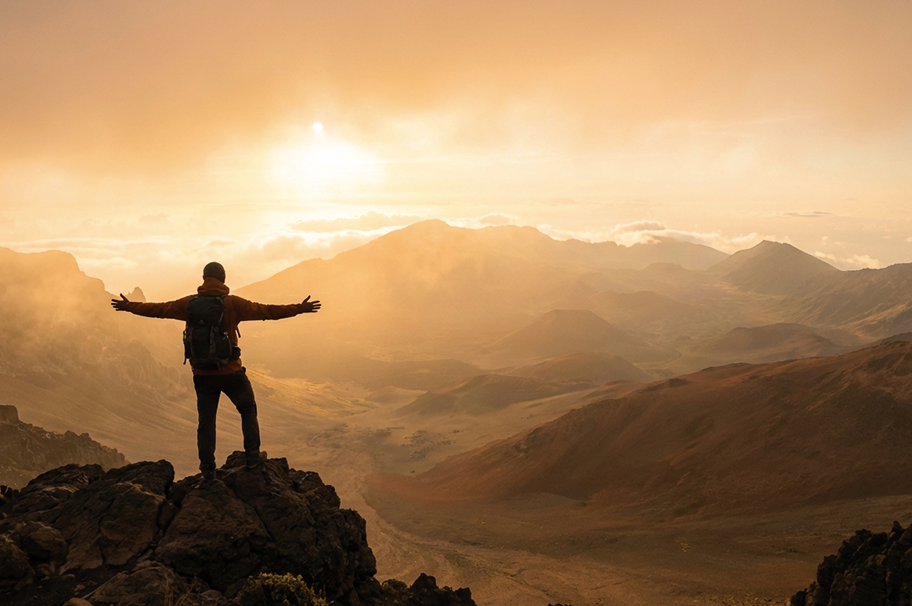
In a world of constant noise and distraction, spiritual retreats offer something rare: space to reconnect with what truly matters. Whether you’re seeking answers to life’s big questions, longing for inner peace, or simply feeling called to go deeper, a spiritual retreat provides the container for profound self-discovery. From silent meditation and contemplative prayer to sacred ceremonies and nature immersion—explore programs designed to awaken your spirit and illuminate your path forward.
Affiliate Disclosure
We partner with retreat centers and booking platforms. When you book through our links, we may earn a commission at no extra cost to you. This supports our work and allows us to keep providing honest, in-depth reviews. Read our editorial policy
| Detail | Info |
|---|---|
| Focus | Inner peace, self-discovery, purpose, connection to the sacred |
| Popular Styles | Silent retreats, meditation, contemplative prayer, vision quests, mindfulness |
| Duration | 3–30 days |
| Price Range | $500 – $5,000+ |
| Best For | Seekers, life transitions, burnout recovery, existential questions, deepening practice |
| Top Destinations | India, Bali, Spain, Costa Rica, Thailand, USA |
What Is a Spiritual Retreat?
A spiritual retreat is a dedicated time away from ordinary life to focus on your inner world, your relationship with the sacred, and the deeper questions of existence. Unlike wellness retreats that emphasize physical health, or healing retreats that address emotional wounds, spiritual retreats center on the soul’s journey.
These retreats take many forms depending on tradition and approach. Some are rooted in specific religious practices—Christian contemplative retreats, Buddhist meditation intensives, Hindu ashram stays. Others are secular or interfaith, drawing from multiple wisdom traditions without requiring any particular belief system.
What unites all spiritual retreats is the invitation to slow down, turn inward, and listen. Through practices like meditation, prayer, silence, chanting, journaling, or time in nature, you create space for insight, clarity, and connection to something greater than yourself—however you define that.
Spiritual retreats range from gentle weekend getaways to rigorous month-long intensives. Some maintain complete silence; others include teaching, discussion, and community. The right choice depends on your intention, experience level, and the tradition that resonates with you.
How to Choose the Right Spiritual Retreat
Finding the right spiritual retreat requires honest reflection about what you’re seeking and what kind of container will support your journey. Here’s what to consider:
1. Clarify Your Intention
What’s drawing you to a spiritual retreat? Are you seeking peace and rest? Answers to specific questions? A deeper meditation practice? Connection to a particular tradition? Your intention will guide your choice.
2. Consider Your Tradition (or Lack Thereof)
Some retreats are rooted in specific traditions (Buddhism, Christianity, Sufism, Hinduism). Others are secular or interfaith. Neither is better—choose what resonates. If you’re exploring, interfaith or secular retreats offer exposure without commitment.
3. Decide on Silence
Silent retreats offer profound depth but can be challenging for beginners. If you’ve never done extended silence, consider a retreat with some silent periods rather than complete silence, or start with a shorter duration.
4. Assess the Structure
Some spiritual retreats are highly structured with scheduled practices throughout the day. Others offer more spaciousness and self-directed time. Know yourself: do you thrive with guidance or need freedom to follow your own rhythm?
5. Check the Teacher/Facilitator
The quality of guidance matters enormously. Research the teacher’s background, training, and lineage. Read reviews from past participants. A skilled teacher creates safety and depth; a poor one can leave you feeling lost or even harmed.
6. Consider the Setting
Environment shapes experience. Mountains, ocean, forest, desert—each landscape carries its own energy. Ashrams feel different from monasteries, which feel different from modern retreat centers. Trust what calls to you.
Pro tip: If you’re new to spiritual retreats, start with a shorter program (3–5 days) before committing to longer intensives. This lets you test the waters without overwhelm.
Spiritual Retreat Styles Compared
| Style | Best For | Intensity | Typical Duration | What to Expect |
|---|---|---|---|---|
| Silent Meditation | Deep inner work, experienced meditators | High | 5–30 days | Extended sitting, walking meditation, noble silence |
| Mindfulness | Stress reduction, beginners, presence | Gentle–Moderate | 3–10 days | MBSR-based practices, body scans, gentle inquiry |
| Contemplative Christian | Prayer, Christian seekers, rest | Gentle–Moderate | 3–7 days | Lectio divina, centering prayer, silence, Eucharist |
| Buddhist Intensive | Serious practitioners, insight | High | 7–30 days | Vipassana, Zen sesshin, dharma talks, strict schedule |
| Yoga & Spirituality | Body-mind integration, Hindu traditions | Moderate | 7–21 days | Asana, pranayama, chanting, philosophy, ashram life |
| Interfaith/Secular | Explorers, non-religious seekers | Gentle–Moderate | 3–14 days | Mixed practices, universal themes, personal inquiry |
| Vision Quest | Major transitions, nature connection | High | 7–14 days | Solo time in wilderness, fasting, ceremony, integration |
Top Spiritual Retreat Destinations
India
The spiritual motherland. From Rishikesh ashrams to Dharamsala’s Tibetan Buddhist centers to silent meditation retreats in Tamil Nadu, India offers unparalleled depth and authenticity for serious seekers.
Bali, Indonesia
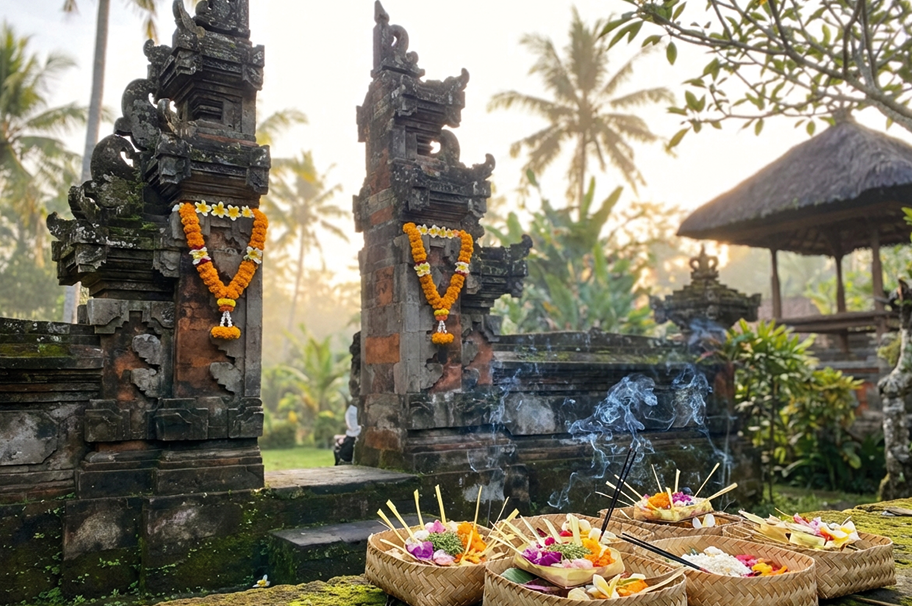
Bali’s unique Hindu-animist culture creates a spiritually charged atmosphere. Ubud is the epicenter, offering everything from yoga and meditation to sacred ceremonies and healer visits.
Spain
Home to the famous Camino de Santiago pilgrimage and numerous Christian monasteries offering contemplative retreats. Also growing secular mindfulness offerings in beautiful rural settings.
Costa Rica
Lush nature and a wellness-friendly culture make Costa Rica ideal for spiritual retreats that combine inner work with nature immersion. Many interfaith and shamanic options available.
Thailand
Buddhist meditation retreats abound, from rigorous Vipassana centers to gentler monastery stays. Affordable, accessible, and deeply authentic for those drawn to Buddhist practice.
USA
From Zen centers in California to Christian monasteries in New Mexico to interfaith retreat centers in the mountains, the US offers diverse spiritual retreat options without international travel.
Who Are Spiritual Retreats For?
Spiritual retreats welcome seekers at every stage of the journey. You might benefit from a spiritual retreat if you’re:
- Seeking meaning and purpose – Feeling that there must be more to life than this
- Navigating a life transition – Career change, divorce, retirement, loss, empty nest
- Deepening an existing practice – Ready to go beyond your daily meditation or prayer
- Recovering from burnout – Needing soul rest, not just physical rest
- Questioning your beliefs – Exploring faith, doubt, or new spiritual perspectives
- Longing for silence and solitude – Craving space away from noise and demands
- Preparing for a major decision – Seeking clarity and inner guidance
- Grieving – Needing sacred space to process loss
You don’t need to be “spiritual” or religious to attend. Many retreats welcome skeptics, agnostics, and those who simply feel called to explore their inner landscape without labels.
What to Expect at a Spiritual Retreat
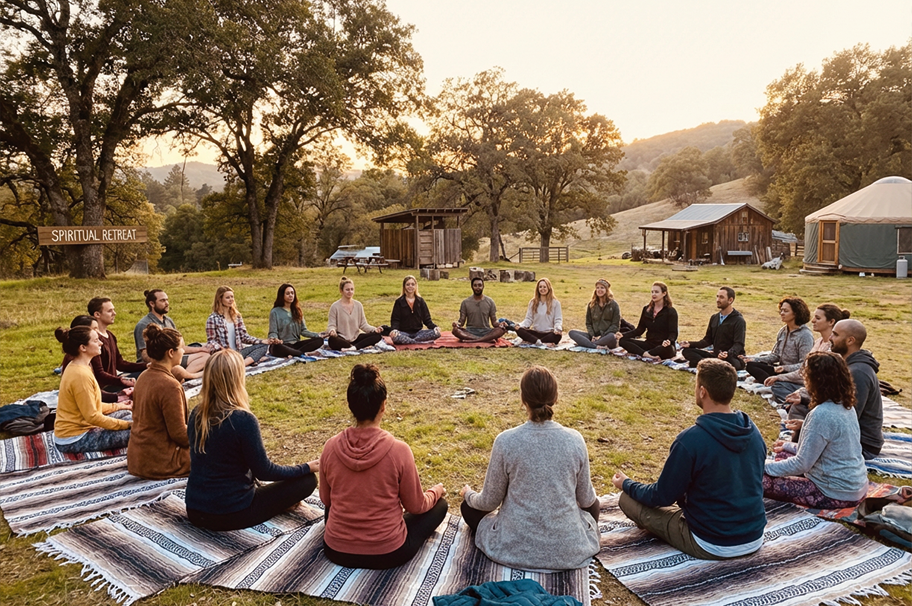
While every retreat differs based on tradition and style, most spiritual programs include:
- Structured practice time – Meditation, prayer, chanting, or contemplation
- Teachings or dharma talks – Guidance from teachers on spiritual themes
- Silence – Partial or complete, to support inner listening
- Simple, nourishing meals – Often vegetarian, eaten mindfully
- Time in nature – Walking, sitting, or simply being outdoors
- Personal reflection – Journaling, contemplation, self-inquiry
- Community – Sharing the journey with fellow seekers (even in silence)
- Rest – Spiritual work requires energy; expect spaciousness
Expect your inner world to become louder as external noise fades. Emotions, memories, insights, and questions may arise. A well-held retreat provides the container to meet whatever emerges with presence and support.
Questions to Ask Before Booking
Before committing to a spiritual retreat, seek clarity on these essentials:
- What tradition or approach is the retreat based on?
- What is the daily schedule like?
- How much silence is involved?
- What is the teacher’s background and lineage?
- Is the retreat suitable for beginners?
- What are the accommodation and food arrangements?
- Is there support available if difficult emotions arise?
- What is the cancellation policy?
Reputable retreat centers are transparent and welcoming of questions. Trust your intuition—if something feels off, honor that.
FAQ
Do I need to be religious to attend a spiritual retreat? No. Many spiritual retreats are secular or interfaith, welcoming people of all beliefs—or no particular belief. What matters is your openness to inner exploration.
What’s the difference between a spiritual retreat and a meditation retreat? Meditation retreats focus specifically on meditation practice. Spiritual retreats may include meditation but also incorporate other elements: prayer, ceremony, teaching, nature connection, or contemplative inquiry. There’s significant overlap.
Are spiritual retreats only silent? Not all. Some maintain complete silence; others include teaching, discussion, and sharing circles. Check the retreat description to understand what’s involved.
What if I’ve never meditated before? Many spiritual retreats welcome beginners and provide instruction. Look for programs specifically designed for newcomers, or choose a retreat with gentler intensity.
How long should my first spiritual retreat be? For beginners, 3–5 days is ideal. This gives you a meaningful experience without overwhelming commitment. You can always go longer next time.
What should I bring to a spiritual retreat? Comfortable, modest clothing (layers are wise), a journal, any personal practice items (mala, prayer book), and an open heart. Most retreats provide detailed packing lists.
Top Spiritual Retreats by Category
Best for Beginners
Gentle introduction to spiritual practice:
→ Beginner Meditation Retreat Bali → Introduction to Silence Retreat Mexico
Best for Silent Retreats
Deep immersion in noble silence:
→ 7-Day Silent Retreat sri Lanka → Silent Meditation Retreat India
Best for Life Transitions
Clarity and guidance during major changes:
→ Vision Quest Retreat India → Life Purpose Retreat India
Ready to reconnect with your inner self?
Explore our hand-picked selection of spiritual retreats—each one reviewed for authenticity, quality, and transformative depth. Whether you’re seeking silence, guidance, or sacred community, your journey inward starts here.
