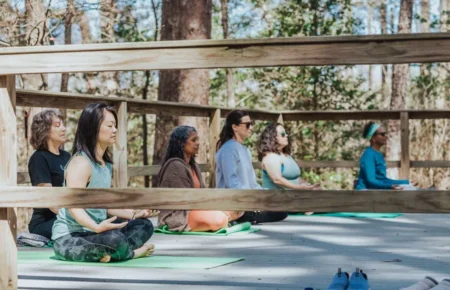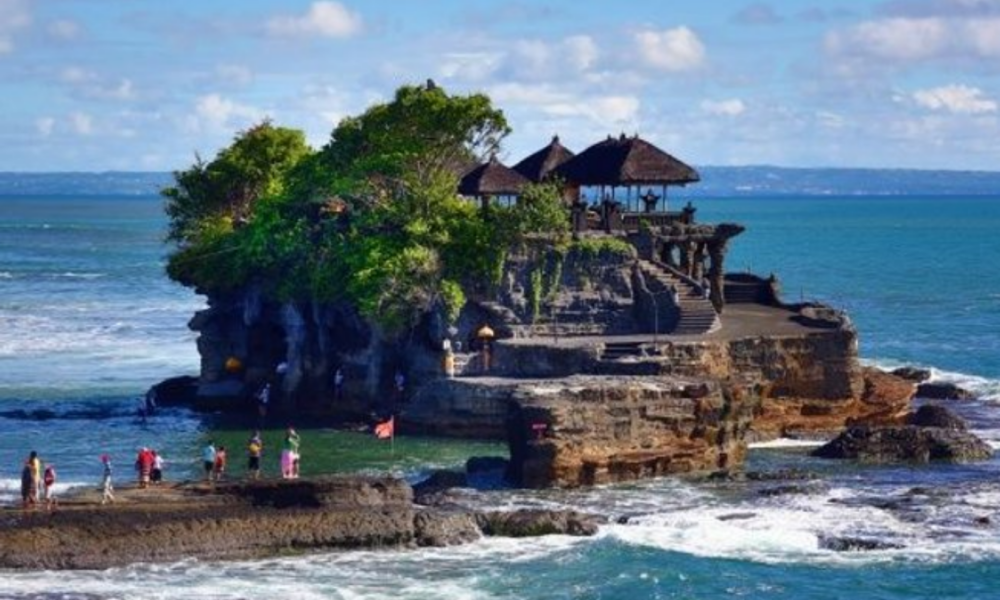
If there’s one place that seems purpose-built for a retreat, it’s Ubud. Tucked into Bali’s lush central highlands, away from the beach crowds of Seminyak and Canggu, this small town has quietly become the global capital of wellness travel. Rice terraces, jungle valleys, daily Hindu ceremonies, an extraordinary concentration of yoga teachers and healers — it all adds up to something that’s genuinely hard to find anywhere else.
Table Of Content
We’ve spent time here at different points, in different seasons, and at different budget levels. This guide pulls together our honest assessment of the best retreat experiences Ubud has to offer — from budget-friendly yoga immersion to luxury holistic programmes — along with practical info on timing, costs, and what to realistically expect.
Whatever brings you to Ubud — burnout, curiosity, a long-deferred intention — the town tends to meet you where you are.
Why Ubud Works So Well for Retreats
Ubud isn’t a retreat destination that was invented for tourists. It has a long, living tradition of healing and spiritual practice rooted in Balinese Hinduism — one that predates the wellness tourism industry by centuries. Healers (known as Balian), priests, and daily ritual ceremonies are woven into ordinary life in ways you simply don’t find in most places.
A few practical things also make it exceptionally well-suited for retreat travel:
- The altitude. Ubud sits at around 700 metres above sea level, which means cooler temperatures than coastal Bali. When you’re doing two or three yoga sessions a day, that matters more than you’d think.
- The density of options. Ubud has more retreat centres, yoga shalas, and wellness practitioners per square kilometre than almost anywhere in Southeast Asia. Real competition keeps quality high.
- The food scene. The town has an outstanding plant-based food culture — raw vegan, Ayurvedic, organic Balinese — that naturally supports whatever you’re trying to do on retreat.
- The solo traveller community. Around 70% of retreat guests in Ubud travel solo, and most programmes are built with that in mind. It’s genuinely easy to arrive knowing no one.
The honest flip side: central Ubud can be loud and tourist-heavy, particularly around Monkey Forest Road and the market area. The retreats we’ve highlighted below either sit outside the main drag or create enough separation that it doesn’t matter.

The Best Retreats in Ubud, Bali
We’ve organised these by retreat type rather than ranking — the right one depends on what you’re actually looking for. Each listing below links to our full affiliate partner so you can check live availability and current pricing.
1. 15-Day Holistic Balancing Luxury Retreat — Best for Deep Immersion
| Type | Luxury holistic wellness / Ayurveda / personalised |
| Price range | €€€€ — premium investment, full-immersion programme |
| Best for | People serious about transformation; those recovering from burnout |
| Our review | Find the full Luxury Balancing Retreat review on our website |
| Availability | Check availability |
This is one of the most comprehensive retreats available in Ubud — 15 days of holistic work that spans yoga, meditation, Ayurvedic treatments, and personalised wellness consultations. It’s not a programme you’d choose for a casual wellness break. The duration and intensity are designed for people who want something to genuinely shift.
Our take: if you’ve been researching retreats for a while and keep finding that shorter programmes don’t feel like enough, this is worth a serious look. The length allows real patterns to break and new ones to form. We’ve written a full review — read our full review here.
2. Pelan Pelan Bali 8-Day Meditation & Yoga — Best Balanced Programme
| Type | Yoga / meditation / Balinese culture |
| Price range | €€–€€€ — mid-range, excellent value |
| Best for | First-time retreat goers, intermediate practitioners, solo travellers |
| Our review | Find the full Pelan Pelan Bali 8-Day Meditation & Yoga review here |
| Availability | Check availability |
Pelan Pelan means ‘take it easy’ in Balinese, and that philosophy runs through the entire programme. Eight days of structured yoga and meditation sessions, set against Bali’s landscapes, with genuine attention to Balinese cultural elements woven in alongside the practice. Teaching quality is consistently high, and the programme accommodates different experience levels well.
Our take: this is our recommendation for anyone doing their first dedicated retreat. The 8-day length is long enough to actually decompress and get something out of it, but not so long it feels daunting. We’ve reviewed it in full — read it before booking so you know what you’re getting.
3. 4-Day Detox Retreat in Ubud — Best Short Cleanse
| Type | Detox / cleanse / holistic reset |
| Price range | €–€€ — accessible entry point |
| Best for | First-time detox, gut reset, those with limited time |
| Our review | Our full 4-Day Detox Retreat in Ubud review |
| Affiliate CTA | Detox Retreat in Ubud Availability |
Ubud is genuinely one of the better places in the world to do a detox — the food culture, the pace of life, and the availability of supporting therapies (colonics, massage, Ayurvedic treatments) all make it easier. A 4-day programme is enough to get a real reset without committing to a major undertaking.
Our take: be clear on what you want before booking. A gentle cleanse — clean eating, light fasting, daily yoga — is a very different experience from an intensive liquid-only juice fast. We’ve reviewed this specific retreat on our site; Our full 4-Day Detox Retreat in Ubud review gives you the full picture including what a typical day looks like.
4. Silent Retreat in Bali — Best for Real Stillness
| Type | Silent / Vipassana-style / meditation intensive |
| Price range | €–€€ — varies by programme length |
| Best for | Experienced meditators, those craving genuine quiet, burnout recovery |
| Our review | Bali Silent Retreat Review |
| Affiliate CTA | Bali Silent Retreat Availability |
There’s a meaningful difference between a retreat that includes meditation and an actual silent retreat. Ubud and the surrounding area have several centres that run genuine silent programmes — days of maintained silence, no phones, structured sitting and walking meditation, minimal external stimulation.
Our take: this is not the right choice for a first retreat unless you’ve built up a solid daily meditation practice. But if you have, the results can be profound. Ubud’s energetic environment adds something to the experience that’s hard to quantify but consistently reported by guests. We’ve covered this format in a dedicated review — Bali Silent Retreat Review.
Quick Comparison: Which Retreat is Right for You?
| Retreat | Duration | Budget | Best if you want… |
| 15-Day Holistic Balancing | 15 days | €€€€ | Deep transformation, full reset |
| Pelan Pelan 8-Day Yoga | 8 days | €€–€€€ | Structured yoga + culture, first retreat |
| 4-Day Detox | 4 days | €–€€ | Short cleanse, gut reset, limited time |
| Silent Retreat Bali | 4–10 days | €–€€ | Genuine stillness, meditation depth |
Best Time to Visit Ubud for a Retreat
| Season | Months | What to expect |
| Dry season (peak) | May–October | Sunny, lower humidity, ideal for outdoor yoga. Busiest period — book 2–3 months ahead. Higher prices at most centres. |
| Shoulder (our pick) | March–April / November | Good weather, fewer crowds. Many centres offer 10–15% discounts to fill spots. Best balance of conditions and availability. |
| Wet season | December–February | Daily afternoon rain, lush landscapes, significantly cheaper. Some smaller centres reduce programming. Best for indoor-focused or introspective retreats. |
Our recommendation: April–May or October–November. Dry-season light, pre-/post-peak pricing, and genuine availability at the programmes we’ve listed above.

Practical Info for Your Ubud Retreat
Getting There
Fly into Ngurah Rai International Airport (DPS). From there, Ubud is roughly 1.5–2 hours by road — traffic varies significantly. Most retreat centres offer airport transfers; always confirm this at booking. If arranging your own transport, a pre-booked driver is more reliable than hailing a cab at the airport and often costs around the same.
Visa
Most nationalities receive a free 30-day visa on arrival. For longer retreats — teacher trainings, 14-day+ programmes — you’ll need a social/cultural visa or extension, both of which can be arranged in Ubud. Check current requirements for your passport before travelling; Indonesian visa rules have changed in recent years.
Budget Breakdown
- Short retreat (4–5 days, shared accommodation, programme included): €600–€1,000
- Mid-range (7–8 days, private room, meals included, structured programme): €1,200–€2,500
- Premium (10–15 days, full immersion, personalised treatments): €2,500–€5,000+
- Daily extras (meals out, transport, activities, shopping): €20–€40
What to Pack
- Light, breathable layers — early morning yoga in Ubud can be cool; afternoons get warm
- A sarong — required for temple visits, usually provided by retreat centres but worth having your own
- Eco-friendly insect repellent and reef/environment-safe sunscreen
- A journal — retreats in Ubud have a way of bringing things up that are worth writing down
- Your own yoga mat if you’re particular about equipment (most centres provide them, quality varies)
More Retreat Reviews & Related Guides
If you’re still deciding, these reviews and guides on our site will help:
→ Pelan Pelan Bali 8-Day Meditation & Yoga Retreat — Full Review
→ 15-Day Holistic Balancing Luxury Retreat in Ubud — Full Review
→ 4-Day Detox Retreat in Ubud — Full Review
→ 4-Day Silent Retreat in Bali — Full Review
Frequently Asked Questions
How much does a retreat in Ubud cost?
Retreat costs in Ubud vary widely by duration, type, and accommodation level. Short detox or yoga programmes (4–5 days) start from around €600. Mid-range structured retreats with a private room and meals included typically cost €1,200–€2,500 for a week. Longer immersive programmes can reach €5,000 or more. For most first-timers, the mid-range represents the best value — you get a genuinely high-quality experience without paying a significant premium for luxury.
Is Ubud a good choice for a first-time retreat?
Yes — Ubud is one of the most accessible and beginner-friendly retreat destinations in the world. English is widely spoken, the infrastructure is well-developed, and most programme organisers have significant experience working with first-timers. The large solo traveller community makes it easy to connect, and the Balinese culture is genuinely welcoming to people seeking wellness and spiritual experience.
What type of retreat is Ubud best known for?
Ubud built its reputation on yoga retreats, particularly programmes that combine asana practice with meditation, Balinese ceremony, and holistic wellness. That foundation remains strong. But the town has developed significantly — excellent detox centres, silent retreat programmes, healing retreats, and Ayurvedic facilities now sit alongside the yoga studios. If yoga is your focus, Ubud is hard to beat. If you want a broader wellness experience, the offering is equally strong.
Is Ubud safe for solo female travellers?
Ubud is widely regarded as one of the safer destinations in Southeast Asia for solo women. The retreat community is inclusive, and around 70% of retreat guests travel solo. Standard travel awareness applies (be careful in deserted areas at night, watch for scooter traffic), but the retreat environment specifically is designed with solo visitors in mind and tends to create a strong sense of shared community and safety.
When is the best time to book a retreat in Ubud?
The shoulder seasons — March to April and October to November — offer the best combination of good weather, manageable crowds, and reasonable pricing. Peak season (June to August) fills quickly; book at least two to three months ahead if you’re set on that window. The wet season (December to February) brings significant price reductions and a quieter atmosphere, and works well for indoor-focused or introspective retreat formats.
How long should a retreat in Ubud be?
For a first retreat, 5–8 days is the practical sweet spot. It takes most people 2–3 days to genuinely decompress and stop processing their regular life, which means a 3–4 day retreat can feel rushed. For more intensive work — a full detox programme, yoga teacher training, or deep spiritual practice — two weeks is more realistic. Most people leave Ubud wishing they’d stayed longer; build in at least one free day if your schedule allows.
Do I need prior yoga experience for a retreat in Ubud?
No — the majority of retreat programmes in Ubud welcome complete beginners. Teachers here are experienced at working with mixed levels, and most retreat descriptions specify the experience level required. If you’re a complete beginner, look for programmes that mention ‘all levels welcome’ or ‘suitable for beginners’. The 8-day Pelan Pelan retreat we’ve reviewed is a good example of a programme that works well for people at all stages.