14 Day Yoga and Ayurveda Retreat in Rishikesh, India – A Detoxifying Reset (Review)
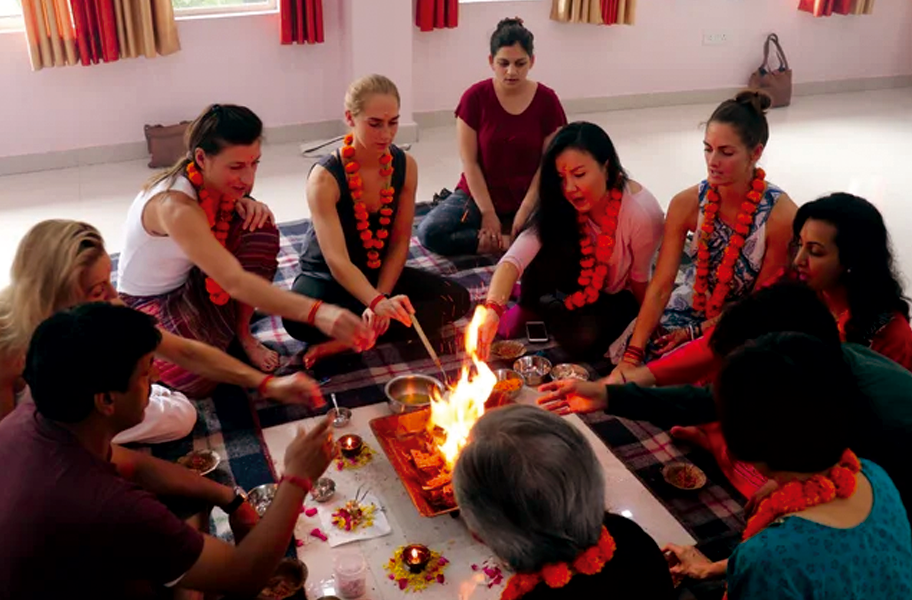
Transformational detox in Rishikesh — what this retreat is really about
This 14 day yoga and ayurveda retreat Rishikesh India review covers Yoga Vidya Mandiram’s two-week program designed as a structured reset: daily yoga practice, yogic cleansing (shatkarma), pranayama, meditation, and a deep dive into Ayurveda theory and treatment.
Table Of Content
- Transformational detox in Rishikesh — what this retreat is really about
- Program & experience (what two weeks actually looks like)
- Ayurveda curriculum (what you’ll actually learn)
- Yoga practice (styles, pacing, and level)
- Accommodation & comfort (shared vs private)
- Food & nutrition (detox, but still supportive)
- What’s included (and what to budget extra)
- Who this retreat is for (and who should skip)
- Practical info & logistics
- Trade-offs (honest limitations)
- Alternatives (when to choose something else)
- FAQ
Affiliate disclosure: This page contains an affiliate link. If a booking is made through it, a commission may be earned at no extra cost. The review stays honest and practical either way. Read our editorial policy.
At-a-glance (14 days)
| Detail | Snapshot |
|---|---|
| Location | Rishikesh, India |
| Duration | 14 days / 13 nights |
| Style | Yoga + Ayurveda detox & lifestyle course |
| Yoga styles | Hatha, Vinyasa/Ashtanga Vinyasa, Yoga Nidra |
| Level | Beginner–Intermediate |
| Accommodation | Shared (triple/twin) or private single; non‑AC |
| Food | Full-board vegetarian + detox juices + herbal teas |
| What stands out | Dosha assessment + Ayurvedic treatments + daily yoga + shatkarma/pranayama |
| Included extras | Local sightseeing + Himalayas trips, course materials, certification |
| Deposit | 30% non-refundable; rest on arrival |
| Price (from) | €784 shared triple (1p); €958 private single (1p) |
The promise is clear and practical. Instead of a “light wellness holiday,” this course aims to teach a lifestyle system—how to understand your constitution (dosha), how to eat and live in a way that supports balance, and how to use simple, repeatable practices at home. That matters for conversion because it positions the retreat as a skill-building experience, not just a temporary escape.
At the same time, the retreat keeps the experience grounded in routine. Early mornings, consistent practice blocks, and a daily rhythm that repeats long enough (14 days) for habits to start sticking. For many travelers, that’s the real value: you don’t just feel better for a week—you leave with a framework.
- For broader options, explore our guide to Healing retreats.
- If you’re choosing a more devotional path, browse Spiritual retreats.
- Curious about deeper inner-work formats? See Shamanic retreats.
- New to retreat life? Start with First yoga retreat.
- Or read this primer on how to prepare for your: First spiritual retreat.
Program & experience (what two weeks actually looks like)
This retreat runs like a training container. First, it builds a base through daily practice. Then, it layers in Ayurveda education and hands-on treatments. Finally, it reinforces the learning through repetition—because two weeks gives you enough cycles to notice patterns in energy, digestion, sleep, and mood.
A typical day (structured, early, consistent)
- 05:00 – 06:15 Wake up
- 06:15 – 06:30 Mantra chanting
- 06:30 – 07:30 Shat-kriyas + pranayama
- 07:30 – 09:00 Yoga asana session
- 09:00 – 11:00 Breakfast + free time
- 11:00 – 12:00 Session I: Ayurveda theory & practice
- 12:30 – 13:00 Karma yoga (seva)
- 13:00 – 14:00 Lunch
- 14:00 – 15:00 Session II: Ayurveda treatment & practice
- 16:00 – 16:15 Tea break
- 16:30 – 18:00 Yoga asana session (Hatha or Ashtanga Vinyasa)
- 18:00 – 19:00 Relaxation + meditation
- 19:00 – 20:00 Dinner
- 20:00 – 21:00 Self-study / free time
- 21:00 – 22:00 Sleep
Practical note: the schedule can shift depending on the Ayurvedic doctor’s availability. That’s normal in treatment-based programs. Still, the backbone stays consistent: morning cleansing + practice, midday study, afternoon treatment, evening wind-down.
Why this structure can work (and who it suits)
This rhythm alternates “doing” with “digesting.” You move and sweat in the morning. Then you learn. Then you receive treatment. Finally, you downshift into meditation and rest.
For beginners, that predictability reduces decision fatigue. For intermediate students, the double daily practice deepens stamina and technique. And for anyone seeking detox support, the combination of shatkarma, pranayama, and a clean diet creates a coherent reset.
Ayurveda curriculum (what you’ll actually learn)
A big authority marker here is the depth of the curriculum. The listing doesn’t just say “Ayurveda included.” It breaks the content into theory and treatment, which signals a more educational, systematic approach.
Section I: Ayurveda theory (foundations + lifestyle)
Expect topics like:
- History and basic concepts of Ayurveda
- Five element theory
- Gunas and dosha sub-types
- The three pillars: Ahara (diet), Nidra (sleep), Brahmacharya (energy management)
- Dietetics, dhatus, srotas, and disease classification
- Lifestyle design and daily routine
- Diagnosis and examination basics
- Panchakarma overview (five cleansing approaches)
- Home remedies, marma therapy, and beauty secrets
This matters because it turns “detox” into something more intelligent: not just restriction, but understanding. In a good retreat, knowledge reduces anxiety. It also improves compliance—people follow what they understand.
Section II: Ayurveda treatment (hands-on, personalized)
The listing includes a personalized dosha assessment session, plus treatments such as:
- Abhyangam
- Nasyam
- Spinal/Kati/Griva basti
- Janu basti
- Thought field therapy
- Netra tarpanam
- Shirodhara
- Patra potali swedanam
- Udvartana
- Marma therapy
Not every guest will receive every treatment in the same way. However, the menu shows range—oil therapies, nasal therapy, eye therapy, basti work, and nervous-system calming approaches like shirodhara. That breadth supports the “detoxifying” positioning.
Section III: Yoga theory & practice (beyond poses)
The yoga side includes:
- Mantra chanting
- Hatha yoga asanas
- Pranayama and breathing practices
- Bandhas (locks)
- Sat karma (cleansing)
- Meditation and yoga philosophy
- Yoga Nidra (yogic sleep)
This is a classic “yoga school” style container: practice plus theory. For many travelers, that’s more satisfying than a purely fitness-based retreat.
Yoga practice (styles, pacing, and level)
Yoga styles listed include Hatha, Nidra, and Ashtanga, plus mention of Vinyasa. In practice, that usually means:
- A steady Hatha base for alignment and breath
- A more dynamic Ashtanga/Vinyasa option for those who want intensity
- Yoga Nidra for recovery and nervous-system downshift
Because the level is beginner to intermediate, the best fit is someone who wants guidance and a clear routine. Absolute beginners can do well here—especially with Hatha and Nidra—if they’re comfortable with early mornings and consistent practice.
Accommodation & comfort (shared vs private)
You’ll stay in non‑AC accommodation. That’s common in Rishikesh course-style programs. The key is choosing the room type that matches your nervous system.
Shared accommodation (karma/shared)
- Two single beds shared by two students
- Hot shower + water heater
- Western toilets + wardrobes
- Unlimited internet access + intercom
- Bed sheets, pillows, and towels provided
Private accommodation
- Balcony with mountain view
- New, big, bright room
- Big-size bed + wardrobe
- Hot shower + water heater
- Unlimited internet access + intercom
- Bed sheets, pillows, and towels provided
Conversion note: if you know you need quiet to integrate two weeks of early mornings and study, the private room often pays for itself in sleep quality.
Food & nutrition (detox, but still supportive)
Meals include breakfast, lunch, and dinner, plus detox juices and herbal teas. Drinks include water, coffee, and tea.
Dietary options listed:
- Vegetarian
- Gluten free
- Fruitarian
- Ayurvedic
This is a strong trust marker because it’s specific. It also matches the course goal: a cleaner diet that supports digestion, clarity, and stable energy.
Practical tip: if you have allergies or medical dietary needs, confirm details before booking. Ayurveda programs often adapt well, but it’s best to communicate early.
What’s included (and what to budget extra)
Included
- 13 nights non‑AC accommodation
- Free Wi‑Fi
- Daily nutritious vegetarian full-board meals + detox juices + herbal teas
- Yoga materials used during the course
- Himalayas sightseeing trips
- Local sightseeing exploration (temples, caves, mountains)
- Textbooks and printed study handouts
- Course certification
- GST (18%)
Not included
- Airfare
- Airport transfers
- Additional meals and activities
- Personal expenses
This clarity reduces “hidden cost” anxiety. It also helps readers plan realistically.
Who this retreat is for (and who should skip)
Best for
- People who want a structured detox + lifestyle reset (not a loose holiday)
- Beginners who want a guided routine and foundational education
- Intermediate students who want two daily practices plus theory
- Anyone curious about Ayurveda beyond surface-level tips
- Travelers who like early mornings and consistent rhythm
Maybe not for
- Anyone who wants late starts and lots of free time
- People who need air-conditioning to sleep well
- Travelers who dislike study blocks or structured schedules
- Anyone who wants full cancellation flexibility
Practical info & logistics
- Location: Rishikesh, India
- Level: Beginner to intermediate
- Language: English instruction
- Wi‑Fi: Available
- Excursions: Local sightseeing + Himalayas trips
- Deposit: 30% deposit required; non-refundable if cancelled; remaining balance paid on arrival
Trade-offs (honest limitations)
A credibility-forward review should name the real constraints:
- Non-refundable deposit: The 30% deposit stays non-refundable if you cancel. So book when dates feel stable.
- Early mornings: 05:00 wake-up is a commitment. For some, it’s a gift. For others, it’s a grind.
- Course-style intensity: This is a training container with theory, practice, and treatments. It won’t feel like a resort retreat.
- Non‑AC rooms: That’s normal for many schools, but it’s still a comfort factor to consider.
Alternatives (when to choose something else)
- Choose a yoga-only retreat if you mainly want asana progression and lots of downtime.
- Choose a pure Ayurveda/Panchakarma clinic if your priority is medical-style treatment with minimal yoga.
- Choose a shorter 5–7 day reset if two weeks feels too long for your schedule or energy.
FAQ
Is this retreat beginner-friendly?
Yes. The listing welcomes beginner to intermediate levels. Hatha and Yoga Nidra are generally accessible. That said, beginners should prepare for early mornings and a structured schedule.
How “detox” is it, really?
The detox angle comes from three pillars: shatkarma and pranayama in the morning, clean Ayurvedic-friendly meals with detox juices and herbal teas, and treatment sessions that support circulation, digestion, and nervous-system regulation.
What yoga styles will I practice?
The listing mentions Hatha, Vinyasa/Ashtanga Vinyasa, and Yoga Nidra. Expect a balanced mix: steady foundations plus optional intensity, with deep recovery practices built in.
What’s included in the price?
Accommodation (13 nights), full-board vegetarian meals plus detox juices and herbal teas, yoga materials, course handouts, certification, and sightseeing trips. Flights and transfers are extra.
What’s the cancellation policy?
A 30% deposit is required to reserve your spot. The deposit is non-refundable if you cancel. You pay the remaining balance on arrival.
If you want a two-week reset in Rishikesh that combines daily yoga, yogic cleansing, Ayurveda education, and personalized treatments, this course offers a clear structure and a lot of content for the price.
Check availability and lock in your dates here: