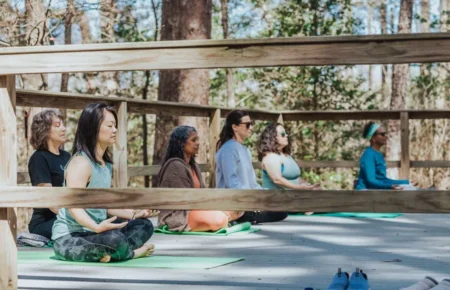
6-Day Tantra Retreat in Tulum: A Powerful Self-Love Reset

Tulum has a particular kind of brightness—salt air, warm mornings, and an easy invitation to soften. Still, this self-love tantra retreat in Tulum experience at Samma Karuna isn’t built around the destination. It’s built around a process: a structured, emotionally intelligent immersion designed to move people from self-protection into self-connection—through embodiment, honest emotional work, and practical tools that translate into everyday life.
Table Of Content
Affiliate disclosure: This page contains an affiliate link. If a booking is made through it, a commission may be earned at no extra cost. The review stays honest and practical either way. Read our editorial policy.
The Self-Love Tantra Retreat in Tulum is not a retreat for passive relaxation. It’s an intensive, held container where transformation comes from participation: learning how the nervous system responds to intimacy, how emotions move through the body, and how self-love becomes a lived skill rather than a concept.
The overall feel
A focused, workshop-style tantra intensive that blends emotional healing with grounded embodiment—challenging in the right ways, deeply supportive, and designed to create measurable inner change.
The setting: Tulum as a soft landing for deep work
Samma Karuna’s Tulum environment supports the work in a subtle but important way. The coastal atmosphere naturally downshifts stress, which makes emotional processing safer and more effective. Between sessions, there’s space to integrate—warm air, nature, and a slower pace that helps the body metabolize what’s been opened.
Even in an intensive format, the setting matters. It can help participants stay regulated, sleep more deeply, and return to the body after emotionally charged sessions. In other words, Tulum becomes a gentle backdrop for brave inner work.
What “tantra” means here: embodiment, presence, and emotional truth
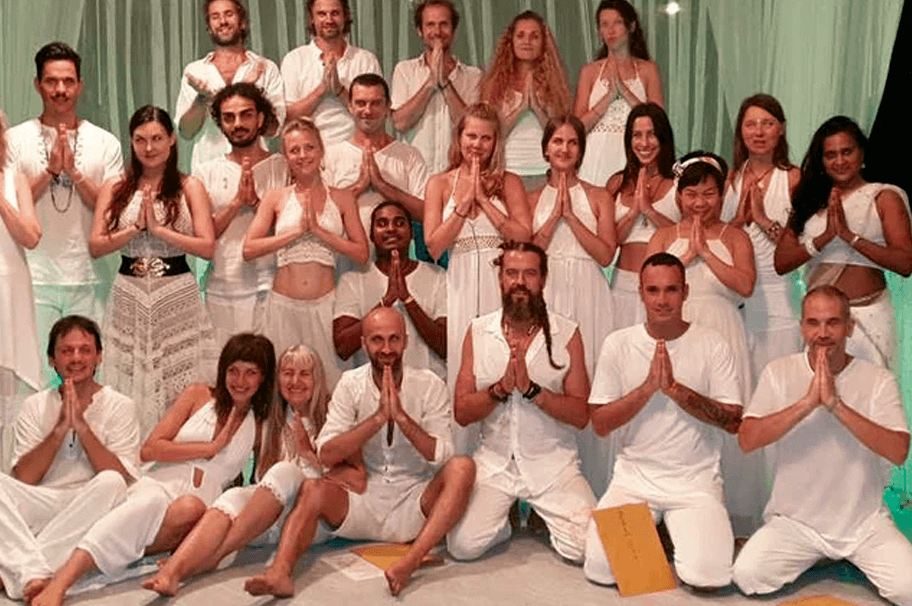
This retreat uses tantra in a modern, therapeutic sense—focused on presence, embodiment, and emotional healing, rather than performance or spiritual bypassing. Module I is typically designed as a foundation: learning to feel, express, and connect more honestly, starting with the relationship to self.
Expect the work to explore themes like consent boundaries (clear yes/no, clean pacing) – Nervous-system awareness (recognizing shutdown, flooding, and safety) – Emotional expression (feeling without collapsing or attacking) – Embodiment practices (breath, movement, sensation-based presence) – Relational patterns (how intimacy habits form—and how they can change)
The tone is often both tender and direct: supportive, but not vague. That’s what makes the learning usable.
The emotional healing intensive arc: why it works
An intensive format can create rapid change because it compresses learning and practice into a short window. Over six days, participants typically move through a clear arc: landing, opening, practicing new skills, and integrating.
Days 1–2: Safety, orientation, and nervous-system settling
The first phase is about building trust—in the space, the facilitators, and the group container. This is where participants learn the “rules of safety”: consent, boundaries, pacing, and self-responsibility.
For many people, simply being in a space where boundaries are respected and emotions are welcomed is already healing. As a result, the body begins to unclench—and deeper work becomes possible.
Days 3–5: Deep practice—embodiment, expression, and relational patterns
This is the heart of the module. The work often includes guided exercises that bring awareness to how emotions live in the body, how people disconnect under stress, and how intimacy patterns repeat.
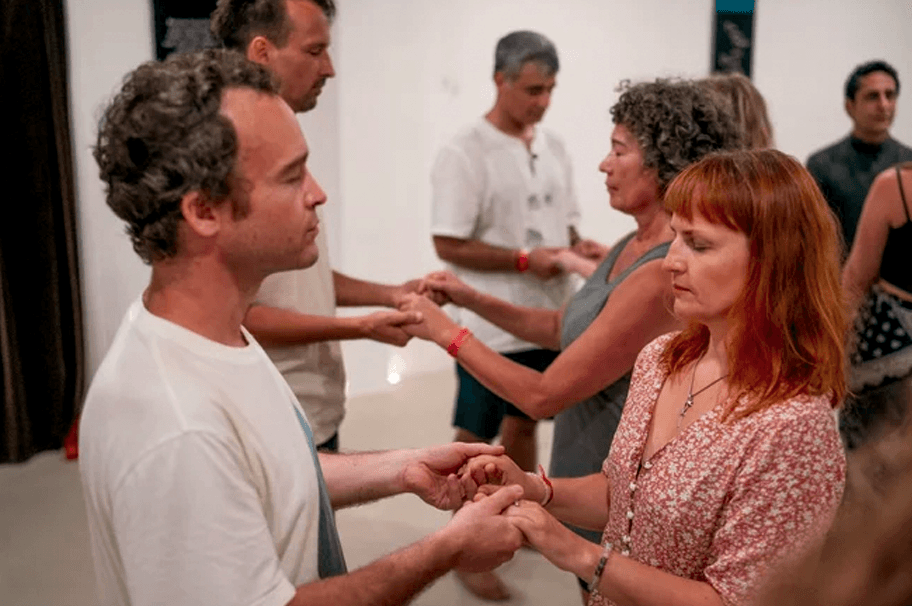
Participants practice new ways of relating: – Naming needs clearly (without apology or pressure) – Staying present with sensation (instead of dissociating) – Choosing honesty over protection (without oversharing) – Repairing quickly after activation (returning to safety)
This phase can be intense. However, it’s typically held with strong facilitation and clear structure—so the intensity becomes productive rather than destabilizing.
Day 6: Integration—making it usable in real life
The final day is where insights become practical. Participants often leave with specific tools: grounding practices, communication frameworks, boundary language, and self-regulation techniques that can be used immediately at home.
In practice, this is what turns a powerful week into a new baseline.
Self-love as a skill: what participants often take away
The most meaningful outcome of a retreat like this is not a temporary “open heart.” It’s the ability to stay connected to self under pressure.
Common takeaways include: – More capacity to feel emotions without shutting down – Clearer boundaries and cleaner consent – Better self-regulation during stress and conflict – Less people-pleasing and more honest self-expression – A stronger sense of inner safety and self-trust
In other words, self-love becomes something that shows up in choices, not just thoughts.
Who this retreat is best for
This retreat is a strong fit for people who: – Want a structured, workshop-style container (not a spa week) – Feel emotionally stuck, numb, or over-identified with “being fine” – Are ready to practice boundaries, consent, and honest expression – Want nervous-system tools and embodiment practices they can keep using
It can be especially powerful for those recovering from burnout, heartbreak, people-pleasing patterns, or long-term emotional disconnection—provided there’s genuine readiness to feel and engage.
FAQ
Is this retreat sexual?
The focus is emotional healing, embodiment, consent, and presence. The work is typically framed therapeutically and practice-based—not performance-driven.
Do I need Tantra experience?
No. Module It is commonly designed as a foundation, with clear structure and guidance.
Is it suitable if I’m feeling fragile?
It’s an intensive. It can be deeply supportive, but it’s best for people who feel ready to participate and practice self-responsibility and pacing.
What will I leave with?
Grounding tools, boundary language, emotional regulation practices, and a clearer relationship with your body and emotions.
Final take
Module I at Samma Karuna feels like a reset for the inner relationship: learning how to be with the body, how to meet emotions with maturity, and how to build self-love through boundaries, presence, and practice. In the softness of Tulum, the work can land more gently—yet still create real, lasting change. Ready to build self-love as a real skill—through embodiment, emotional healing, and grounded tantra practices in a supportive container? Explore dates and what’s included here.